My friend owns a small shop on First Street downtown and used to deal with graffiti constantly. Taggers would hit his front windows every few weeks – spray paint, etching, markers, scratches. Each time meant either living with it looking trashy or paying a glass company $300-500 to replace the window. He was spending thousands a year just keeping his storefront looking decent.
Thank you for reading this post, don't forget to subscribe!Someone told him about anti-graffiti window film in San Jose and he decided to try it. Next time someone tagged his window, he just peeled off the damaged film and replaced it with new film. Cost him maybe $50 in materials instead of $400 for new glass. After three graffiti incidents where the film saved him money, it had already paid for itself.
That’s what anti-graffiti film does – it protects your actual glass and gives you a cheap fix when vandalism happens instead of expensive glass replacement.
How Anti-Graffiti Film Actually Works
Anti-graffiti window film is a clear sacrificial layer that sits on top of your glass. When someone tags it with spray paint, etches it, scratches it, or marks it up, the damage is on the film instead of the glass underneath.
The film is thick enough to resist scratching but if someone’s determined with a sharp object, they can damage the film. That’s actually the point – better to damage replaceable film than permanent glass.
When vandalism happens, you just peel off the damaged film and apply fresh film. The glass underneath is still perfect. No grinding, no polishing, no replacement. Just remove and replace the film.
Think of it like a screen protector for your phone. Your actual screen stays perfect while the cheap replaceable protector takes the abuse. Same concept for windows.
The film is optically clear when it’s in good condition. You don’t really notice it’s there. Doesn’t change the appearance of your windows or affect visibility. Just invisible protection until you need it.
Some anti-graffiti films have additional properties – UV blocking, slight tinting, security features. But the main purpose is protecting glass from vandalism.
Installation is on the exterior of the glass so the film is facing where vandals would attack. Interior installation wouldn’t protect against exterior vandalism obviously.
The film bonds well enough to stay put through weather and normal conditions but can be removed when needed without damaging the glass. That removability is key – it’s meant to be replaced when damaged.
Graffiti Protection Film for Storefronts
Storefronts are prime targets for graffiti and vandalism. Street-facing glass, accessible at night when businesses are closed, visible locations where taggers want their work seen. Graffiti protection film makes sense for basically any ground-floor retail or business with exterior glass.
Downtown San Jose businesses deal with tagging regularly. The areas around San Pedro Square, SoFA district, parts of First Street – graffiti happens. Having unprotected windows means you’re either paying for replacement constantly or your business looks rundown with tagged windows.
A coffee shop near SJSU had their front windows etched multiple times. Acid etching is permanent damage to glass – you can’t clean it off, you have to replace the whole pane. After the third replacement in a year, they got anti-graffiti film. Next etching attempt damaged the film but the glass stayed perfect. Peeled off the film, applied new film, done.
Restaurant windows get hit too. Big windows displaying your dining area are targets for taggers looking for large visible canvases. Film protects those expensive storefront windows.
Retail shops with display windows benefit hugely. You’ve got merchandise displays right there in the windows – the last thing you want is graffiti obscuring your products or making your store look sketchy.
A clothing boutique in Japantown got tagged on a Saturday night. Sunday morning they peeled off the film, cleaned the glass, applied fresh film. Open for business by noon with perfect windows. Without film, they’d be waiting days for glass replacement and losing business with boarded-up windows.
The professional appearance matters. Film in good condition is invisible. Customers don’t know it’s there. Your windows look normal and clean. When vandalism happens, you can fix it quickly and get back to looking professional.
Some businesses keep spare rolls of film on hand so they can do emergency repairs themselves. Peel off damaged film, clean glass, apply new film. Takes maybe an hour and costs almost nothing compared to glass replacement.
Vandalism Resistant Window Film Options
Vandalism resistant window film comes in different thicknesses and formulations depending on what kind of damage you’re protecting against.
Basic anti-graffiti film protects against spray paint, markers, and light scratching. Thick enough to be removed easily but thin enough to be cost-effective for regular replacement.
Heavy-duty anti-graffiti film is thicker and resists deeper scratching and etching better. Costs more but if you’re in a high-vandalism area, the extra protection might be worth it.
Some films combine anti-graffiti properties with security features. Thicker film that protects against both vandalism and impacts. Good for businesses worried about graffiti and break-in attempts.
Clear protective films designed specifically for acid etching resistance exist too. Acid etching is harder to protect against than spray paint because the acid tries to eat through everything. Specialized films handle this better.
My buddy’s shop downtown gets hit with etching occasionally. Regular anti-graffiti film helps but dedicated etching-resistant film works better. Costs more but prevents the permanent glass damage that etching causes.
UV-resistant anti-graffiti films last longer in sun exposure without degrading. Important for windows that face south or west and get hammered by sun all day. Regular film breaks down faster in intense UV.
Some businesses use anti-graffiti film on all exterior glass – windows, doors, glass panels. Comprehensive protection means vandals can’t just hit unprotected spots.
The replacement cost matters when choosing film. Thicker more protective films cost more to replace each time. Thinner films cost less but might need replacement more often. Balance protection level with replacement frequency and cost.
Scratch Resistant Film for High-Risk Areas
Scratch resistant film is thicker and tougher than basic anti-graffiti film. Designed for areas where scratching and etching are major concerns.
Bus stops, phone booths, ATM screens, any public-facing glass in high-traffic areas gets scratched constantly. Thick protective film takes the abuse and gets replaced periodically.
Ground-floor businesses in areas with lots of foot traffic benefit from scratch-resistant film. People lean against windows, kids touch glass, accidents happen. Protective film keeps the actual glass pristine.
A bank branch in East San Jose has scratch-resistant film on all their exterior glass. Between attempted etching and just normal wear from high traffic, their windows would look terrible without protection. Film keeps everything looking professional.
The film is measured in mils – thousandths of an inch. Basic anti-graffiti might be 4-6 mils. Scratch-resistant film is often 8-15 mils or more. Thicker film resists deeper scratching.
Installation of thick protective film requires professional expertise. Getting thick film to adhere smoothly without bubbles or wrinkles takes skill and experience. DIY installation of heavy films usually ends badly.
The clarity of thick films varies. Some maintain perfect optical clarity. Cheaper thick films might have slight distortion or haze. For businesses where appearance matters, spending more for optically clear thick film makes sense.
Removal of thick protective film can be harder than thin film. The stronger adhesive that holds thick film in place makes it tougher to peel off. Professional removal might be necessary when it’s time to replace.
Installation and Replacement Process
Anti-graffiti film installation happens on the exterior of the glass. The film faces outward where vandalism would occur.
Surface prep is critical. The glass needs to be absolutely clean – dirt, grime, old adhesive residue all have to go. Any contamination prevents proper adhesion.
Professional installers wash the glass multiple times, often with specific cleaners that remove oils and residues regular glass cleaner doesn’t touch.
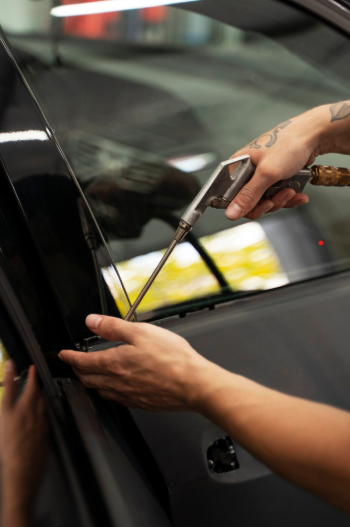
The film is applied wet like other window films. Spray the glass and the film with application solution, position the film, squeegee out water and air bubbles.
Edge sealing matters for exterior film. The edges need to be sealed well so wind and rain don’t get under the film and cause peeling.
Curing time for exterior film can be longer than interior films because of temperature and humidity variations. A week or more for full cure isn’t unusual.
When damage occurs and you need to replace the film, the process is straightforward. Peel off the old damaged film starting from a corner. It should come off in sheets if it’s quality film.
Clean the glass underneath. There might be adhesive residue left behind – special solvents remove this without damaging glass.
Apply fresh film using the same wet application method. New film bonds to the clean glass and you’re protected again.
Businesses in high-vandalism areas might replace film quarterly or even monthly. Businesses in lower-risk areas might go years without needing replacement. Depends entirely on your vandalism frequency.
Keeping spare film on hand means you can respond immediately when vandalism happens. Order a roll, keep it stored, replace damaged sections as needed.
Some window film companies offer replacement services where they’ll come out and replace damaged film quickly. Useful for businesses that don’t want to DIY or need professional appearance guaranteed.
Cost Comparison: Film vs Glass Replacement
The economics of anti-graffiti film make total sense when you compare to glass replacement costs.
Replacing a typical storefront window costs $300-800 depending on size and glass type. Large display windows can be $1000 or more.
Anti-graffiti film for the same window costs maybe $100-200 installed. Replacement film after vandalism is $50-100 in materials if you DIY, or $100-200 for professional replacement.
Do the math. One glass replacement costs more than three or four film replacements. If you’re getting hit with graffiti regularly, film pays for itself fast.
My friend’s shop that was spending thousands a year on glass replacement now spends maybe $300 a year on film replacement. He’s saving thousands annually.
The downtime matters too. Ordering replacement glass takes days or weeks. Your window is boarded up or you’re operating with damaged glass visible to customers.
With film, you can fix vandalism damage the same day or next day. Remove damaged film, apply new film, back in business. Minimal disruption.
Insurance considerations come into play too. Multiple vandalism claims can raise your premiums or make you uninsurable. Using film to handle minor vandalism yourself avoids insurance claims for small incidents.
Plus there’s the deterrent effect. Vandals who hit your windows and see the damage quickly repaired might move on to easier targets. Buildings that stay tagged look abandoned and invite more vandalism.
Finding Quality Anti-Graffiti Film Services
Not every window tinting company handles anti-graffiti film. It’s specialized work that requires exterior installation expertise and understanding of vandalism protection.
Look for companies that specifically mention anti-graffiti or vandalism protection in their services. Check their commercial client list – businesses in high-vandalism areas using their services is a good sign.
Film brands matter. 3M makes anti-graffiti films that are industry standards. Other quality brands include Llumar and Madico. Ask what film they’re using and research it.
The warranty should cover adhesion and clarity but understand that vandalism damage isn’t warrantied – that’s the whole point, the film takes damage so you can replace it.
Ask about their replacement service. Will they come out quickly when vandalism happens? Do they stock film for fast replacement? What’s the cost for replacement labor?
Check reviews from other businesses about vandalism protection effectiveness. Did the film actually protect the glass? Was replacement easy? How quickly did the company respond to damage?
Get quotes from multiple companies but compare what you’re getting. Cheapest film might not protect as well or might be harder to remove and replace.
Some companies offer service contracts where they’ll inspect and replace damaged film on a schedule. Makes sense for businesses with frequent vandalism who want professional maintenance.
Areas of San Jose with Higher Vandalism Risk
Certain areas of San Jose see more graffiti and vandalism than others. Knowing your risk level helps you decide if anti-graffiti film makes sense.
Downtown San Jose, especially around SoFA and parts of First Street, deals with tagging regularly. Ground-floor businesses here should seriously consider protective film.
Areas near SJSU have student-related vandalism occasionally. Late-night tagging, scratching, marker graffiti. Not constant but it happens.
East San Jose has pockets with higher vandalism rates. Businesses in these areas get hit more frequently and benefit most from protective film.
Alleyway-facing windows anywhere in the city are higher risk. Less visibility means vandals feel safer, more likely to spend time etching or spray painting.
Even low-vandalism areas aren’t immune. One incident can cost you hundreds in glass replacement. Film is insurance against the occasional random tagging.
Transit corridors – areas near light rail stations, major bus routes – see more foot traffic and more vandalism. Businesses near transit benefit from protective measures.
New developments sometimes attract vandalism as taggers explore new areas. That trendy new shopping district might look safe but could be a target.
Talk to neighboring businesses about their vandalism experiences. They’ll tell you honestly if it’s a problem in the area. Their experiences help you assess your risk.
Combining Anti-Graffiti Film with Security Measures
Anti-graffiti film works best as part of a comprehensive security approach. Film protects your glass but doesn’t prevent vandalism – it just makes repair easier.
Cameras are a good deterrent. Visible cameras make vandals think twice. If they do tag your windows, you have footage for police reports.
Lighting matters. Well-lit storefronts are less attractive targets than dark buildings. Motion-activated lights especially deter vandalism.
Quick cleanup is important. Remove graffiti or replace damaged film immediately. Buildings that stay tagged invite more tagging. Quick response breaks that cycle.
Some businesses use coatings on surfaces around windows that make spray paint easy to wash off. Combined with anti-graffiti film on glass, you can clean up vandalism quickly.
Neighborhood watch or business improvement districts often coordinate anti-graffiti efforts. Being part of these groups means faster reporting and cleanup.
The film itself doesn’t stop vandalism but it removes the permanent damage aspect. Vandals learn their tags get removed quickly and often move to easier targets.
Security film plus anti-graffiti film gives you both break-in resistance and vandalism protection. Some films combine both properties. Good for high-risk locations.
When Anti-Graffiti Film Makes Sense
Anti-graffiti film isn’t necessary for every business but makes total sense in certain situations.
If you’ve had graffiti incidents before, film is obvious insurance against future incidents. One glass replacement costs more than installing protective film.
Ground-floor businesses with accessible windows should consider it even without vandalism history. Prevention is cheaper than reaction.
High-visibility locations where appearance matters need fast recovery from vandalism. Film enables that quick response.
Businesses in areas with known vandalism problems benefit immediately. Don’t wait for the first incident – protect proactively.
Historic buildings or buildings with expensive custom glass especially need protection. Replacing custom or antique glass costs a fortune. Film protects irreplaceable glass.
A historic building downtown has original glass from the 1920s. Replacing it would cost thousands and wouldn’t match the original character. Anti-graffiti film protects that original glass while allowing quick cleanup if vandalism happens.
Businesses with large glass facades have more exposure and more replacement cost if vandalism occurs. Film on large windows makes economic sense.
Even low-risk businesses might want film on specific vulnerable windows. Maybe your front door glass or one particular window that’s easy to reach from the sidewalk.
Living With Anti-Graffiti Film
Day to day, you don’t think about anti-graffiti film. It’s invisible when it’s in good condition. You just have peace of mind knowing your glass is protected.
Regular cleaning maintains the film. Wash it like you’d wash windows. The film surface is durable enough for normal cleaning.
When vandalism happens, the frustration is way less knowing you have an easy fix. Annoying that someone tagged your windows, but not devastating because you’re not looking at expensive replacement.
Peeling off damaged film and applying fresh film becomes routine if you’re in a high-vandalism area. Some business owners get good at it and handle replacements themselves.
The professional appearance stays consistent because you can fix damage quickly. Your business always looks maintained and cared for instead of tagged and neglected.
Anti-graffiti window film in San Jose protects businesses from the costly damage of vandalism. Whether you need graffiti protection film for downtown storefronts, vandalism resistant window film for high-risk locations, or scratch resistant film for heavy-traffic areas, protective film makes economic sense.
My friend downtown doesn’t stress about taggers anymore. Yeah it’s annoying when it happens, but he just peels off the film, puts on fresh film, and moves on. His glass stays perfect, his costs stay low, and his business looks professional.
If you’re dealing with graffiti, worried about future vandalism, or just want cheap insurance against the possibility, look into anti-graffiti film. Talk to companies that specialize in commercial protective films, understand the replacement process, and protect your glass investment.
The ability to recover quickly from vandalism and avoid expensive glass replacement makes anti-graffiti film one of the smartest investments for street-facing businesses. You’re not preventing vandalism but you’re preventing the permanent expensive damage that comes with it.
Related Post