My friend’s architecture firm moved into a new office building in North San Jose with floor-to-ceiling glass walls everywhere. Beautiful modern design but completely impractical – zero privacy for meetings, brutal afternoon sun glare, and their AC couldn’t keep up with the heat gain through all that glass. They tried blinds but then the whole open design aesthetic was ruined.
Thank you for reading this post, don't forget to subscribe!They installed dynamic smart tint in San Jose on their conference room glass walls – electrochromic film that switches from clear to frosted with a button press. Now they have open transparent walls for collaboration, instant privacy when meetings start, and they can control how much light comes through based on time of day. The technology transformed their space from beautiful but dysfunctional to beautiful and actually usable.
That’s what dynamic smart tint does – it gives you real-time control over your windows’ properties instead of being stuck with one fixed option.
What Is Smart Tint Technology
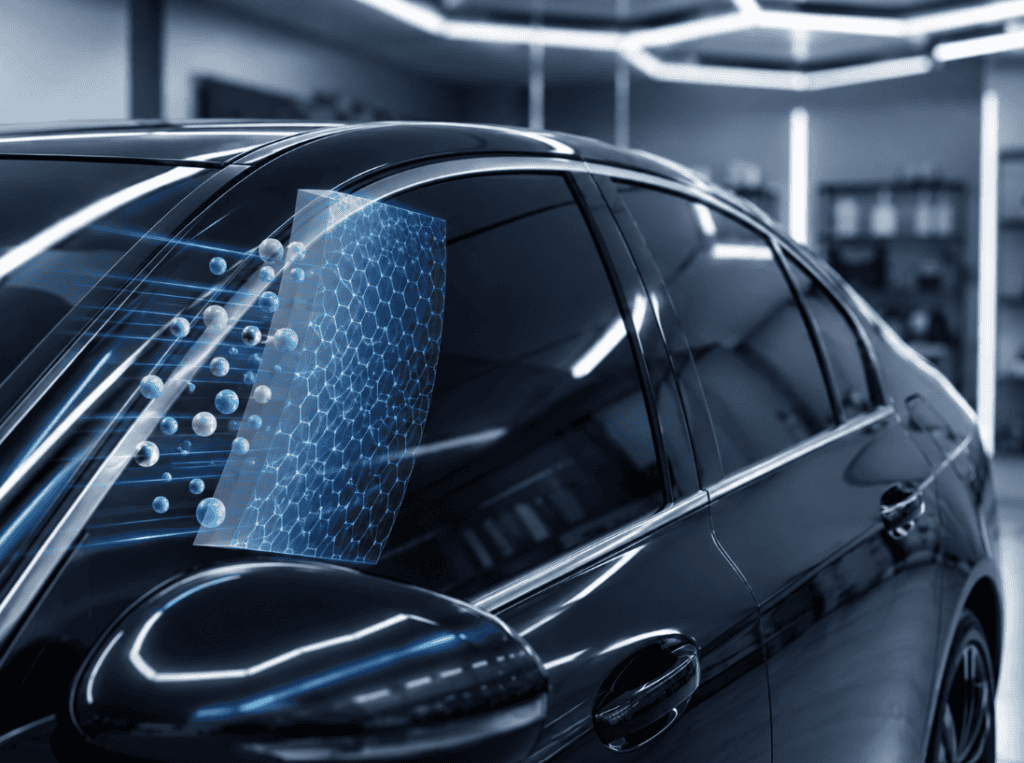
Dynamic smart tint uses electricity to change the optical properties of window film or glass on demand.
Electrochromic technology is most common. Electric current causes materials in the film to change from transparent to tinted. Different voltage levels create different tint levels.
Think of it like transition sunglasses that darken in sunlight, except you control it manually or automatically instead of it responding to UV.
PDLC (Polymer Dispersed Liquid Crystal) technology switches between clear and frosted. Electric current aligns liquid crystal molecules to create transparency. Turn off current and molecules scatter randomly creating frosted appearance.
This is the most dramatic effect – completely clear glass becomes privacy glass instantly. No in-between states typically, just on/off.
I saw a bathroom demo with PDLC film. Flip the switch and the clear glass shower door became completely frosted. Flip back and it’s clear again. Almost magical effect.
SPD (Suspended Particle Device) technology suspends particles in film that align or scatter based on electric current. Provides variable tinting from clear to dark with fine control.
The particles are rod-shaped. When aligned, light passes through. When randomly oriented, they block light. Voltage controls alignment percentage.
Thermochromic and photochromic films change based on temperature or light exposure rather than electricity. These are passive smart films – they respond to conditions but you don’t control them directly.
For true dynamic control, electrochromic, PDLC, or SPD are the technologies that matter. You press a button or set automation and the windows change.
Response time varies by technology. PDLC switches in seconds – nearly instant. Electrochromic transitions take 3-20 minutes depending on the glass size and technology.
Power requirements are minimal. Most smart tint uses very low voltage and minimal current. The film itself draws power only during state changes, not continuously.
Manual control via wall switches is simplest. Flip a switch like you would for lights. Window changes from clear to tinted or frosted.
Automated control based on sun position, temperature, or time of day is more sophisticated. The system adjusts automatically for optimal comfort and efficiency.
Smart home integration allows control via phone apps, voice commands, or integration with home automation systems.
Switchable Privacy Glass Applications
Switchable privacy glass is probably the most popular smart tint application because the effect is so dramatic and useful.
Conference rooms in offices benefit enormously. Glass walls keep spaces open and collaborative, but switch to frosted for private meetings with button press.
My friend’s conference rooms have switches right by the door. Walk in for a meeting, flip the switch, instant privacy. Meeting ends, switch it back, transparent walls return.
Bathrooms with windows or glass walls use switchable privacy constantly. Hotel bathrooms especially – open glass design for luxury feel, privacy when needed.
Luxury hotels use this technology in bathroom glass walls. Romantic open bathroom when desired, complete privacy with a switch.
Medical examination rooms with glass walls or windows can switch to privacy mode during exams. Maintains open feel when not in use, privacy when needed.
Home offices with glass doors or walls switch for video calls. Frosted background during calls, clear glass for normal use.
I’ve seen home offices with PDLC film on glass doors. During video meetings, the background frosted so colleagues don’t see into the rest of the house.
Bedroom privacy windows provide views and light normally, privacy when sleeping or changing clothes.
Shower enclosures can be clear for spacious feel, frosted for privacy. Particularly useful in master bathrooms.
Retail changing rooms with smart glass provide open feel when empty, privacy when occupied. Some systems detect occupancy and switch automatically.
Bank and medical office privacy windows protect customer confidentiality. Switch to frosted when handling sensitive information.
Reception area glass can switch for after-hours privacy. Clear during business hours, frosted when closed for security.
Energy Efficient Smart Glass
Smart tint provides dynamic energy efficiency by controlling solar heat gain in real-time.
Automated tinting based on sun position maximizes efficiency. East windows darken in morning, west windows darken in afternoon, south windows adjust throughout the day.
This active management prevents heat gain during peak sun exposure while allowing light when sun isn’t directly hitting windows.
A commercial building in San Jose installed electrochromic windows that automatically tint based on solar sensors. They measured 20% reduction in cooling costs the first summer.
Manual control lets you optimize for conditions. Hot afternoon? Darken windows to block heat. Cool morning? Keep windows clear for passive solar gain.
Seasonal optimization is possible. Summer settings keep tint darker. Winter settings keep windows clearer to allow warming sunlight.
Compared to static tint, smart tint provides efficiency when needed without sacrificing light when you don’t need tinting.
Regular tint blocks heat all the time – good in summer, potentially bad in winter. Smart tint blocks heat only when you want it blocked.
Peak demand reduction matters for commercial buildings. Darkening windows during peak electricity hours reduces AC load when rates are highest.
Utility companies love smart windows because they reduce peak demand. Some offer rebates for electrochromic window installations.
Integration with building management systems allows holistic energy management. Smart windows coordinate with HVAC and lighting for optimal building efficiency.
The ROI on energy efficient smart glass is longer than regular window film because of higher upfront costs. But in commercial buildings with high energy costs, payback happens.
Glare control improves productivity. Automatically darkening windows prevent glare on computer screens without requiring blinds that block views.
Daylighting optimization means using natural light as much as possible while controlling glare and heat. Smart glass makes this balance achievable.
Installation and Retrofit Options
Dynamic smart tint can be installed as film on existing windows or as complete smart glass replacement.
Smart film retrofit applies to existing glass. Less expensive than replacing entire windows. Film laminate contains the smart technology.
Installation is more complex than regular window film. Electrical wiring required to power the film. Professional installation essential.
Watching smart film installation, I saw them running low-voltage wiring to each window section, applying the film like regular tint, then connecting electrical leads. More involved than standard tinting.
Smart glass replacement means new windows with electrochromic or PDLC technology built into the glass itself. More expensive but cleaner installation.
New construction almost always uses smart glass rather than film. Building it in from the beginning is easier than retrofitting.
Retrofit makes sense for existing buildings where window replacement isn’t planned. Add smart functionality to current windows.
Wiring infrastructure determines retrofit feasibility. Getting power to windows requires wiring that might not exist. This adds cost and complexity.
Some smart films use wireless power systems reducing wiring needs. Still developing technology but becoming more practical.
Control systems range from simple switches to sophisticated automation. Decide control complexity during installation planning.
Basic on/off switches cost least. Automated systems with sensors and timers cost more but provide better energy management.
Size limitations exist with some technologies. Very large glass expanses might need multiple zones or sections.
The office building had 10-foot tall glass walls. They divided into three zones per wall – top, middle, bottom – that could be controlled independently or together.
Existing window frames must accommodate smart technology. Some frames need modification to fit smart glass or film systems.
Building codes might affect installation. Commercial buildings especially have requirements for electrical work and glass installations.
Cost and ROI Analysis
Smart tint is expensive compared to regular window film but provides unique benefits.
Smart film retrofit costs $50-150 per square foot installed. Varies by technology type, area size, and system complexity.
A typical conference room with 100 square feet of glass might cost $5,000-15,000 for PDLC smart film installation.
Smart glass replacement is even more expensive. $100-200+ per square foot for windows with integrated electrochromic technology.
This puts smart glass firmly in the luxury or commercial building category. Residential use is growing but still premium pricing.
Energy savings partially offset costs over time. Building with $20,000 in smart glass saving $400/month in energy costs has 4-year payback on energy alone.
Privacy value is harder to quantify. How much is instant switchable privacy worth? For offices and hotels, quite a lot.
Productivity gains from glare control and comfortable spaces have real value. Employees work better in comfortable glare-free environments.
Maintenance costs are minimal. Smart tint has no moving parts. Once installed, it just works for years.
Lifespan of quality smart glass is 20+ years. The electronics are solid-state and very durable.
Smart film lifespan is 10-15 years typically. Shorter than smart glass but still substantial.
Warranty coverage varies. Quality systems have 10-year warranties on both electronics and film/glass.
The premium positioning means smart tint isn’t for everyone. If you need the specific benefits – switchable privacy, automated energy management, dynamic control – it’s worth it.
For basic heat reduction or privacy, regular film is way more cost-effective. Smart tint is for situations where dynamic control provides unique value.
Commercial ROI is better than residential. Office buildings, hotels, medical facilities justify costs easier than homes.
High-end residential use cases exist. Luxury homes with unique privacy needs, home theaters, premium bathrooms – smart glass makes sense.
Smart Home Integration
Dynamic smart tint integrates beautifully with smart home systems for unified control.
Voice control through Alexa, Google Home, or Siri works with compatible systems. “Alexa, tint the office windows” and your glass darkens.
I visited a house with voice-controlled smart glass. Said “Hey Google, privacy mode” and all the first-floor windows frosted. Super convenient.
Smartphone apps provide control from anywhere. Leaving work and want house windows clear when you arrive? Tap the app.
Scenes and automation create intelligent behavior. “Morning scene” clears windows for light. “Afternoon scene” tints west windows. “Movie mode” darkens media room windows.
Integration with other smart devices creates sophisticated automation. Motion sensors detect conference room occupancy and switch privacy on/off automatically.
Solar sensors and weather integration optimize tinting. Cloud cover means windows stay clear. Direct sun triggers tinting.
Time-based schedules handle predictable patterns. East windows auto-tint 6-10am, west windows 2-6pm, based on sun position.
Temperature integration coordinates with thermostats. When AC struggles, windows auto-tint to reduce heat load.
Security integration can trigger privacy mode when alarm is armed. Windows frost at night for privacy and security.
Energy monitoring integration provides data on smart glass impact. See how much energy you save from dynamic tinting.
Geofencing triggers window changes based on location. Leave home and windows auto-tint for privacy. Approach home and they clear.
The smart home integration transforms smart glass from manually controlled to truly intelligent. It adapts automatically to conditions and preferences.
Programming complexity varies. Simple time schedules are easy. Complex multi-condition automation requires more sophisticated setup.
Professional smart home integrators can create custom automation scenarios matching your specific needs and preferences.
Commercial Smart Glass Use Cases
Businesses use dynamic smart tint for practical solutions regular tint can’t provide.
Office buildings with open floor plans need flexible privacy. Smart glass conference rooms provide collaboration and privacy as needed.
A tech company has all-glass meeting spaces. Rooms appear open and available when clear. Meetings start and rooms frost for privacy.
Hospitals use smart glass for patient room privacy. Staff can see in when glass is clear for monitoring. Patients can frosted windows for privacy.
Banks need transaction privacy. Smart glass teller windows or consultation areas switch to privacy mode during confidential discussions.
Hotels create luxury bathroom experiences. Open glass showers and tubs with switchable privacy provide both spaciousness and discretion.
A boutique hotel in San Francisco has bathrooms with floor-to-ceiling glass walls featuring PDLC film. Guests love the dramatic switch from open to private.
Restaurants use smart glass for private dining areas. Open the space for general dining, create private rooms for events with switch activation.
Retail stores create dynamic window displays. Clear glass showcases products. Frosted glass with projected graphics creates branded experiences.
Educational facilities use smart glass for multipurpose spaces. Classrooms with glass walls switch for testing privacy or open for collaboration.
Medical offices maintain HIPAA compliance while preserving open modern design. Exam rooms with smart glass walls provide required privacy.
Corporate headquarters make architectural statements. Impressive glass buildings with practical privacy and energy management.
Data centers use smart glass for secure areas. Visibly secure when frosted, transparent for tours or demonstrations.
Residential Smart Tint Applications
Homeowners use smart tint for luxury, privacy, and energy management.
Master bathrooms with smart glass create spa-like experiences. Open glass showers that switch to privacy combine luxury with practicality.
My friend’s new house has a glass-walled shower with PDLC film. The master bath feels huge with clear glass, private when showering.
Home theaters benefit from smart tint that darkens on demand. Room with windows maintains natural light for normal use, darkens completely for movies.
Wine cellars with viewing windows use smart glass. Display your collection when frosted glass is clear, protect from UV when tinted.
Home offices switch for video call backgrounds or focused work. Clear glass maintains connection to house, frosted glass creates private workspace.
Bedrooms with large windows manage privacy and light dynamically. Wake up to clear windows and natural light, privacy mode for sleeping.
Front door sidelights with smart glass provide security. See who’s at the door when clear, privacy from street when frosted.
Garage windows with smart glass prevent peek-in from street. Clear when you’re working in garage, frosted for privacy and security.
Pool house or guest house privacy without permanent frosting. Open and welcoming when in use, private when occupied.
Stairwell or hallway windows manage light dynamically. Clear for natural light during day, tinted to reduce heat in afternoon.
Skylights with electrochromic control manage overhead sun. Clear for bright days when you want maximum light, tinted when overhead sun creates too much heat.
The luxury factor drives many residential installations. Smart glass is a “wow” feature that impresses guests and provides real functionality.
Maintenance and Troubleshooting
Dynamic smart tint requires minimal maintenance but understanding the technology helps with longevity.
Cleaning is like regular window film. Gentle cleaning with film-safe products. No ammonia, no abrasives.
The electrical components are sealed within film or glass. Normal cleaning doesn’t affect electronics.
Power supply issues are most common problem. If glass won’t switch, check that it’s receiving power. Verify connections and power supply operation.
I troubleshot smart glass that stopped working. Power supply had come unplugged during office cleaning. Plugged it back in, worked perfectly.
Switch failures can occur. Wall switches or control panels might fail. These are replaceable components.
Film delamination is rare with quality installations but can happen. If film starts separating from glass, it’s installation or adhesive failure.
Warranty covers most failures. Quality smart glass systems have comprehensive warranties covering film, electronics, and installation.
Partial switching where some areas work and others don’t indicates wiring issues or film damage in specific sections.
Slow transition times that get slower over time might indicate power supply degradation. Check voltage levels and replace power supplies if needed.
Color irregularities or spots in electrochromic glass indicate manufacturing defects. Should be covered under warranty if caught early.
Smart home integration problems are usually software related. Update firmware, check network connections, reconfigure integrations.
Professional service for complex issues is recommended. The electrical and film components require expertise.
Most smart glass operates trouble-free for years. The technology is mature and reliable when properly installed.
Future of Smart Window Technology
Smart tint technology continues advancing with exciting developments coming.
Energy harvesting smart glass generates electricity from sun while tinting. Solar cells integrated into glass provide power for tinting mechanism.
This eliminates external power requirements. Glass powers itself from sunlight, making installation simpler.
Wireless power transmission for smart film reduces wiring complexity. Already emerging in some products.
Faster transition times make switching more responsive. Current electrochromic takes minutes, future versions might switch in seconds.
Multi-color smart glass allows tinting in different colors, not just neutral grays. Blue, green, bronze tints on demand.
Transparent solar cells combined with smart tinting create windows that generate power while managing light and heat.
AI-powered automation learns preferences and optimizes automatically. No programming needed – the system learns from your manual adjustments.
Cost reduction through manufacturing improvements makes smart glass accessible to broader markets. Prices dropping year over year.
Integration with augmented reality could create interactive windows. Display information on glass while maintaining tinting functionality.
Self-tinting windows without electricity using photochromic technology that actually works well are under development.
Improved film technology makes retrofit easier and cheaper. Current smart films are expensive and complex, future versions will be simpler.
The technology trajectory is clear – smart glass will become more capable, more affordable, and more accessible over coming years.
Choosing Smart Tint Solutions
Selecting dynamic smart tint requires understanding your needs and available options. Define primary purpose first. Privacy? Energy management? Both? This determines which technology fits best.
PDLC for instant privacy switching. Electrochromic for gradual tinting and energy management. SPD for variable control.
Consider control preferences. Want simple switches? Automated intelligence? Smart home integration? This affects system selection.
Budget determines technology tier. PDLC film retrofit is least expensive smart option. Full electrochromic glass replacement is most expensive.
Existing or new construction matters. New construction allows smart glass integration. Existing buildings usually mean smart film retrofit.
Size and scale affect options. Small residential applications might use PDLC film. Large commercial installations might need electrochromic windows.
Energy goals influence choice. Maximum energy savings means electrochromic with automated control. Simple privacy means basic PDLC with switches.
Aesthetic considerations matter. Some technologies are more visible than others. Electrochromic tinting is subtle. PDLC switching is dramatic.
Installation complexity and timeline factor in. Smart film retrofit is faster than window replacement but still requires electrical work.
Warranty and support matter for complex systems. Choose manufacturers and installers with proven track records and solid warranties.
Local climate affects technology choice. San Jose’s climate favors west-facing electrochromic for afternoon heat, PDLC for privacy anywhere.
Dynamic smart tint in San Jose provides intelligent control over light, heat, and privacy impossible with static films. Whether you need switchable privacy glass for instant privacy, energy efficient smart glass for automated climate control, or complete smart home integration, the technology delivers real benefits.
My friend’s architecture firm can’t imagine going back to static solutions. Being able to switch conference rooms from open to private instantly, automatically tinting windows to control heat and glare – it’s transformed how they use their space.
If you have needs that static window solutions can’t meet – flexible privacy, dynamic energy management, automated comfort control – explore smart tint options. Work with experienced installers who understand the technology, consider both retrofit and replacement options, and invest in systems that integrate with your control preferences. The technology is mature, reliable, and increasingly affordable for applications where dynamic control provides real value.
Related Post