Ceramic window tint is one of the best investments you can make for your car, home, or business. It blocks serious amounts of solar heat, rejects up to 99 percent of UV radiation, reduces glare, and lasts significantly longer than basic dyed or carbon films. But like any quality product, it performs best and lasts longest when it is taken care of the right way. The good news is that ceramic tint maintenance is not complicated. It comes down to a few simple habits that protect the film surface and the adhesive layer underneath it.
Thank you for reading this post, don't forget to subscribe!Whether your ceramic film was just installed by a San Jose tint shop or has been on your windows for a few years, this guide covers everything you need to know to keep it looking clean, performing at its best, and lasting as long as it should. From the first days after installation through long-term care, here is exactly how to treat your ceramic window tint.
The First Few Weeks After Installation
The period right after a professional window tinting installation is the most important time to be careful. Ceramic film uses a pressure-sensitive adhesive that bonds to the glass over time. That bonding process is called curing, and it takes time to complete fully. During this window, the film is more vulnerable to damage than it will be once fully cured.
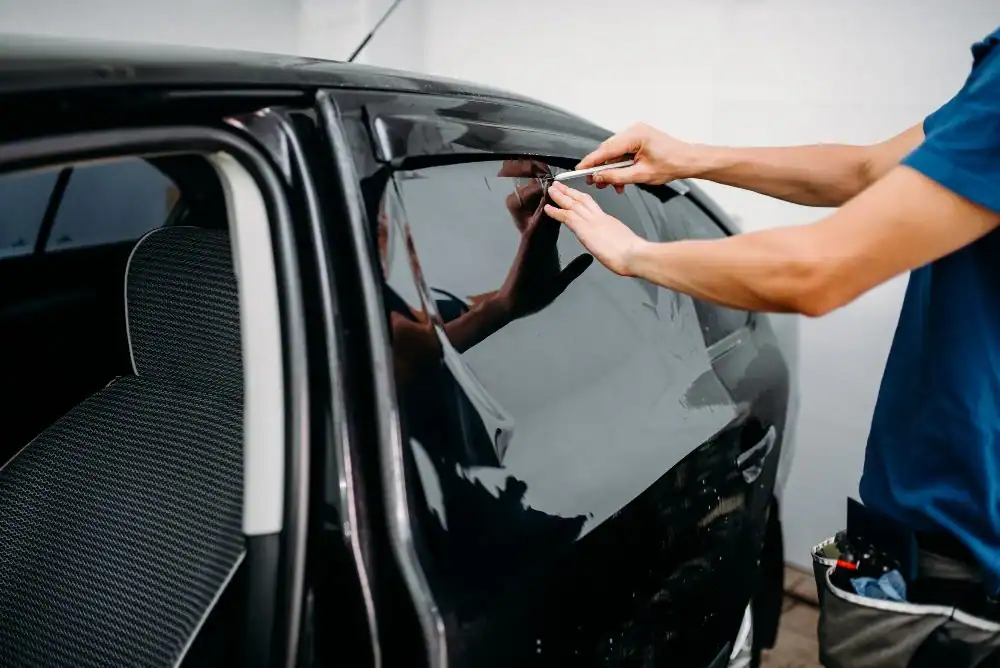
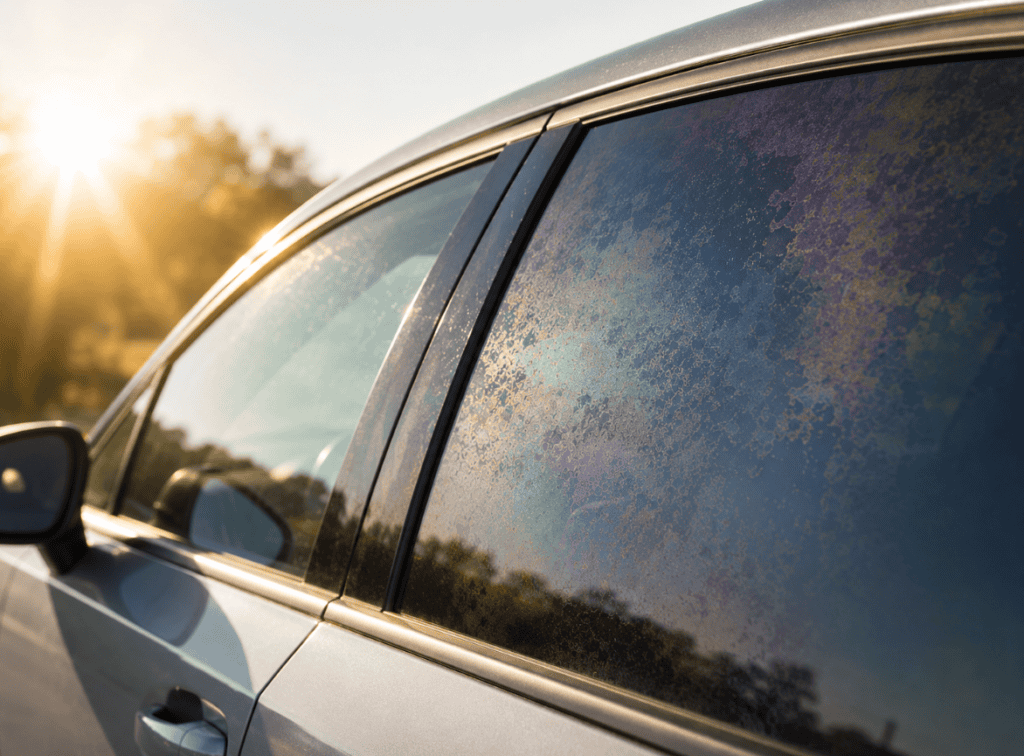
The first thing to know is that some visual effects are completely normal during curing and are not signs of a bad installation. Small water pockets or a slightly hazy appearance across the film are caused by moisture trapped between the film and the glass working its way out as the adhesive sets. In San Jose’s warm climate, curing typically completes within one to three weeks. During cooler or overcast stretches, it can take a little longer. These temporary effects will clear up on their own. Do not press on them or try to smooth them out, as this can disturb the adhesive before it has finished bonding.
For car owners with ceramic San Jose automotive window tint, the most important rule during the curing period is to keep the windows rolled up. Rolling down a door window before the film has cured pulls the film against the door seal and can peel the edges or cause lifting at the corners. Wait at least three to five days before rolling down any freshly tinted windows, and longer if the weather has been cold or overcast.
Do not clean the film during the first three days after installation. The glass and film surface need to be left completely alone while the adhesive bonds. Wiping, spraying, or pressing on the film too soon can cause the film to shift or bond unevenly. After the first three days, a very gentle wipe with a soft dry cloth is fine if needed, but a full cleaning should wait until the film has cured completely.
Here is a summary of what to do and avoid in the first few weeks:
- Keep car windows rolled up for at least three to five days after installation
- Do not clean or wipe the film surface for the first 72 hours
- Leave any water pockets or hazy spots alone and let them clear naturally
- Avoid pressing on the film from either side of the glass
- Park in shade when possible to slow the curing process slightly and reduce stress on the adhesive
How to Clean Ceramic Window Tint the Right Way
Once the film has fully cured, regular cleaning is straightforward. The most important thing to remember is that ceramic window tint, like all window film, is sensitive to ammonia. Ammonia is found in many standard glass cleaners and is very effective on untreated glass. On window film, it breaks down the adhesive layer over time and causes the film to become cloudy, peel at the edges, or lose its bond to the glass. Using ammonia-based cleaners on tinted windows will shorten the life of even the highest quality ceramic film.
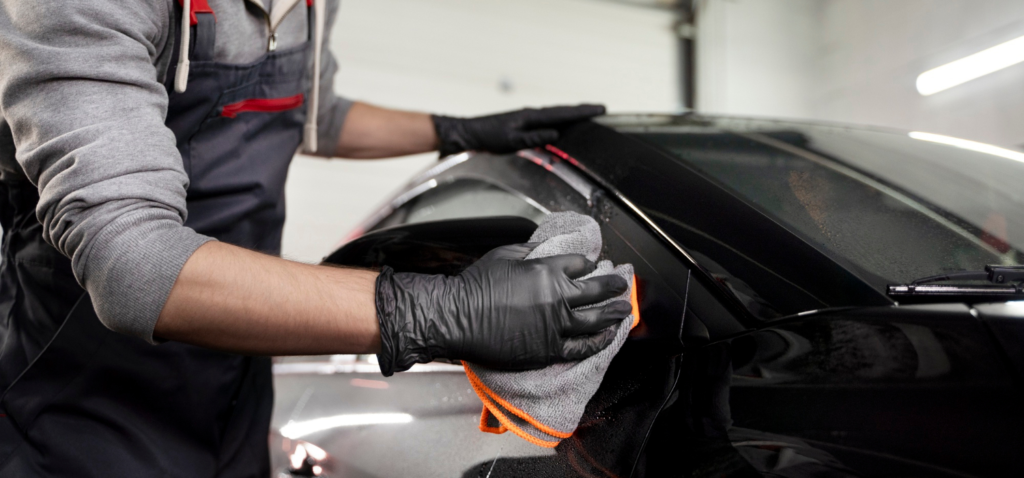
Always use an ammonia-free cleaner on any tinted surface. There are cleaners made specifically for window film, and they work well. A mild dish soap diluted in water is also a safe and effective option for regular cleaning. Spray the solution onto a soft microfiber cloth rather than spraying it directly onto the glass, which helps prevent excess liquid from getting into the edges of the film where it can work under the adhesive.
The cloth you use matters as much as the cleaner. Paper towels are a common choice for cleaning glass, but they are slightly abrasive and can leave micro-scratches on the film surface over time. A soft, clean microfiber cloth is the right tool for ceramic tint. Wipe in gentle, straight strokes rather than circular motions. Circular wiping can create swirl marks on the film surface that are visible in certain lighting conditions.
For stubborn spots like bird droppings, tree sap, or dried-on residue, apply your cleaning solution and let it sit for a minute before wiping. This softens the material so it lifts off without needing hard pressure. If you need to scrape something off the film, use a soft plastic card at a very shallow angle, never a metal blade or anything abrasive. Metal tools will scratch ceramic film permanently.
Here is the correct cleaning routine for ceramic window tint:
- Use an ammonia-free window film cleaner or a mild soap and water solution
- Spray the cleaner onto a microfiber cloth, not directly onto the glass
- Wipe in straight, gentle strokes rather than circular motions
- Use a soft microfiber cloth only, never paper towels or abrasive materials
- For stubborn spots, let cleaning solution soak for a minute before wiping
- Use a soft plastic card at a shallow angle for anything that needs light scraping
- Dry the surface with a second clean microfiber cloth to prevent water spots
Long-Term Maintenance and What to Watch For
Ceramic tint is one of the most durable window film products available. Quality ceramic films installed by top window tint specialists in San Jose regularly last ten to fifteen years or more with proper care. Unlike basic dyed films that turn purple or brown after years of sun exposure, ceramic film maintains its color and clarity throughout its lifespan. The nano-ceramic particles that give the film its heat rejection and UV protection performance do not degrade from UV exposure the way dye does, which is one of the main reasons ceramic is worth the higher upfront investment.
That said, long-term performance depends on how the film is treated over the years. There are a few habits and situations that can reduce the lifespan of even the best ceramic film if they are not addressed.
Ammonia exposure over time is the biggest threat to film longevity. If anyone cleaning your car windows or home glass uses a standard glass cleaner without checking for ammonia content first, the damage accumulates with each cleaning. Make sure everyone who cleans your windows, whether at home, at a car wash, or at a detailing shop, knows that the windows are tinted with ceramic film and that only ammonia-free products should be used. Professional detailers and car wash services that work with tinted vehicles already know this, but it is always worth confirming.
Automatic car washes with stiff brushes can cause problems for automotive window tinting over time. The brushes drag across the glass and can scratch the film surface or lift edges, especially if there is any slight imperfection in the seal at the edge of the film. Touchless car washes are safer for tinted windows. Hand washing is the best option for preserving the surface and edges of ceramic film long-term.
Parking in direct sun for extended periods every day does not degrade ceramic film the way it degrades basic dyed films, but it does add thermal stress to the glass and film over time. When you have the choice, parking in a garage or shaded area is better for the long-term condition of the film, the glass, and your vehicle’s interior.
For home and commercial window film, keep window coverings like blinds and fabric shades from resting directly against the film surface. Constant friction from a blind cord or shade fabric rubbing against the film creates micro-scratches that build up over time and dull the surface. Installing a small gap between window treatments and the glass helps preserve the film appearance.
Dr. Tint California Window Tinting installs premium ceramic window film for cars, homes, and businesses throughout San Jose. As the best window tinting in San Jose, the team uses quality ceramic products from trusted manufacturers and takes the time to prepare the glass correctly so every install bonds properly from day one. If you have questions about caring for your ceramic tint, notice any issues developing with an older install, or are ready to upgrade to ceramic film for the first time, the team is ready to help.
Ceramic tint is an investment that pays off over many years through heat rejection, UV protection, glare reduction, and energy savings. Taking care of it properly is simple and consistent. Avoid ammonia, use soft microfiber cloths, be gentle during the curing period, and keep it away from abrasive tools and materials. Do those things regularly and your ceramic window film will keep performing exactly the way it should for years to come.
Related Post