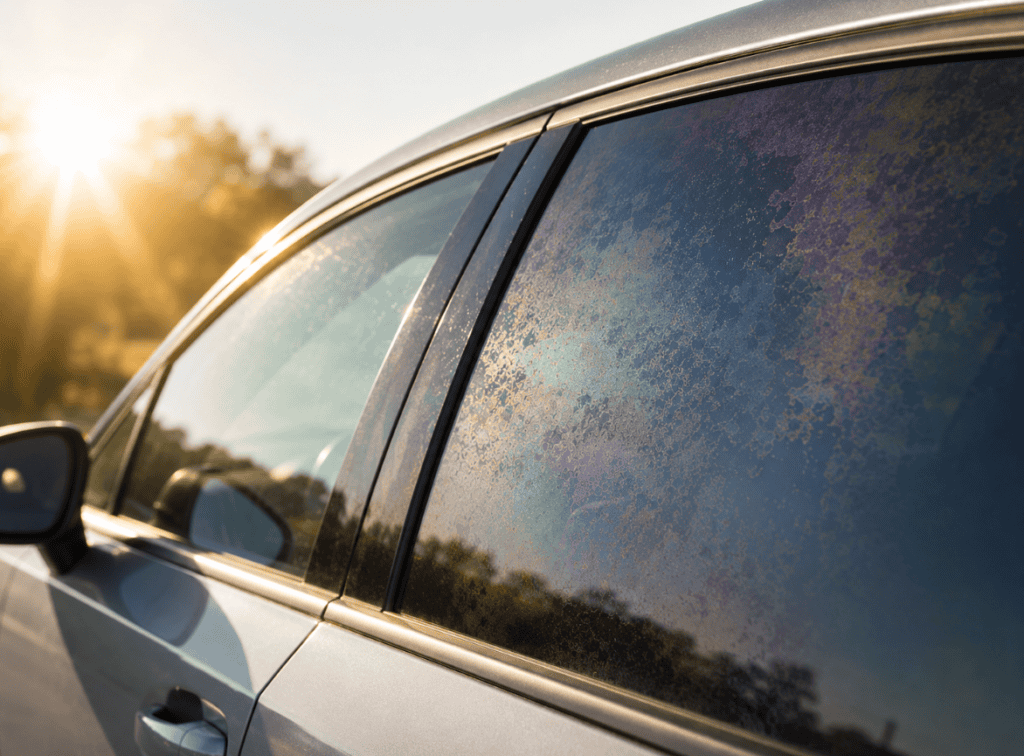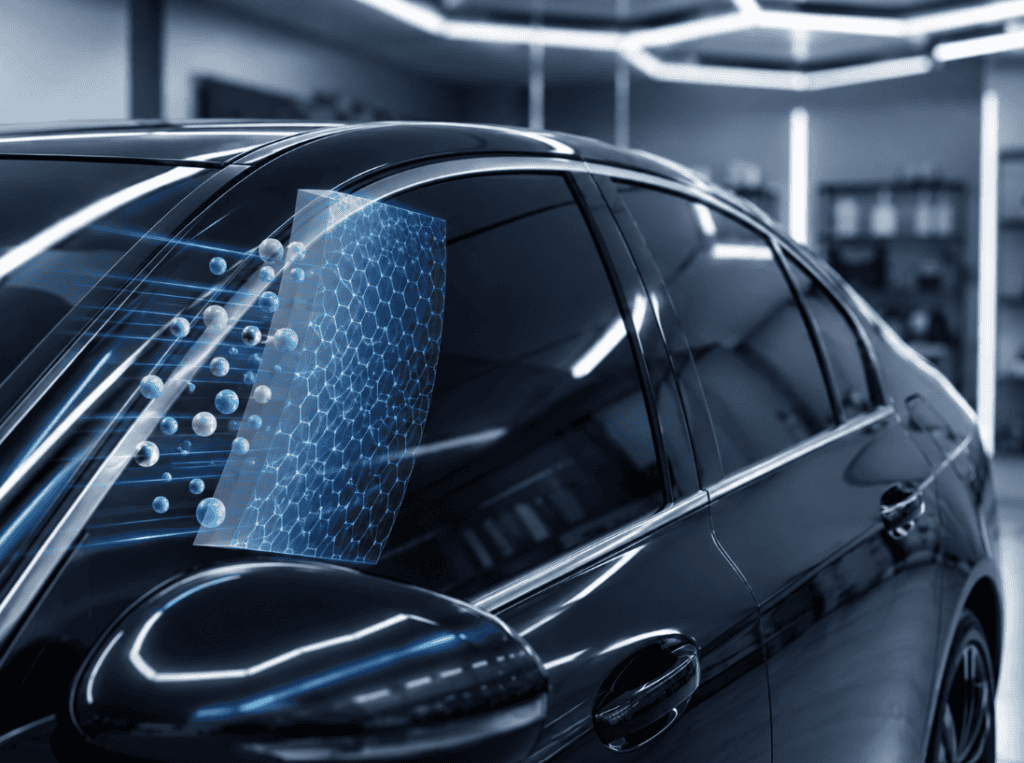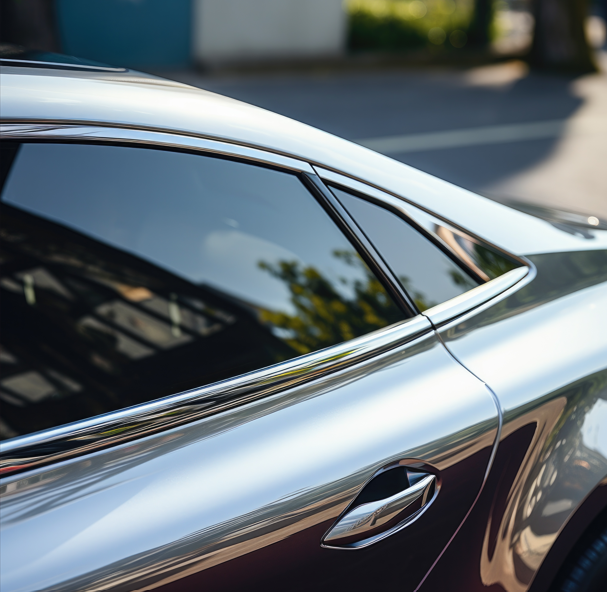
A lot of car owners assume that because their windows look dark from the outside, they already have window tint. The glass came that way from the dealership, so it must be doing everything tinted windows do, right? This is one of the most common misunderstandings in the world of automotive window tinting, and it leads people to skip protection they genuinely need. Factory-tinted glass and aftermarket window film are two very different things, and knowing the difference helps you make smarter decisions about your vehicle, your home, and your comfort.
Thank you for reading this post, don't forget to subscribe!This guide explains exactly what factory-tinted glass is, how it is made, what it actually does and does not do, and why so many drivers in San Jose choose to add professional window film on top of it. Whether you drive a vehicle with dark rear glass from the factory or you are curious about how home builders use tinted glass, the information here gives you a complete and honest picture.
How Factory-Tinted Glass Is Made and What It Does
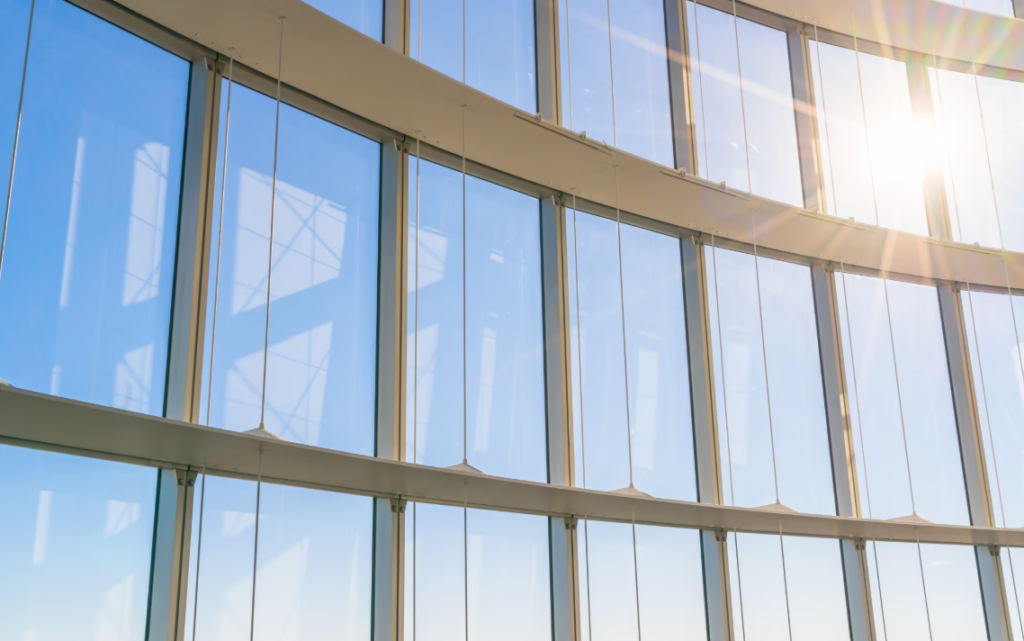
Factory-tinted glass, also called privacy glass or solar glass depending on the application, is glass that has been darkened or treated during the manufacturing process. Unlike window film, which is a thin layer applied to the surface of existing glass, factory tinting is built into the glass itself. The most common method involves adding metal oxides or other compounds to the molten glass during production. These compounds absorb some light and give the glass its darker appearance. The result is glass that looks tinted because it genuinely is, from the inside of the material outward.
In vehicles, factory-tinted glass is most commonly found on rear side windows and the back windshield. This is sometimes called privacy glass because the darker appearance makes it harder to see into the rear of the vehicle from outside. Many SUVs, minivans, and trucks come with this glass as a standard or optional feature. It is the reason the back half of so many vehicles looks noticeably darker than the windshield and front doors even with no aftermarket film applied.
On the windshield and front side windows of most vehicles, factory tinting is typically very light or absent entirely because of safety and legal requirements. Drivers need clear forward visibility, and most regulations around the world limit how dark front glass can be. California window tint law, for example, requires front side windows to allow at least 70 percent of light through. Most factory front glass already meets or exceeds this standard without any additional tinting.
In residential and commercial construction, tinted or solar glass is used in windows and glass facades for similar reasons. The glass is manufactured with compounds that reduce light transmission and solar heat gain. This is a common feature in modern commercial buildings where energy efficiency is a design priority, and it is increasingly available in residential construction as well.
Here is what factory-tinted glass actually is and how it works:
- Tinting compounds are added to the glass during manufacturing, not applied to the surface afterward
- Metal oxides in the glass absorb some visible light, giving it a darker appearance
- Most commonly found on rear side windows and back glass of vehicles
- Also used in residential and commercial construction for solar control purposes
- The tinting is permanent and part of the glass itself, not a coating that can be removed
What Factory Tinting Does Not Do Well
Here is where a lot of people get surprised. Factory-tinted glass looks dark, and looking dark feels like it should mean strong protection. But appearance and performance are not the same thing, and factory privacy glass in particular was designed primarily to limit visibility into the vehicle, not to provide meaningful heat rejection or UV protection.
The heat rejection performance of typical factory privacy glass is quite limited. Most factory-tinted rear windows block somewhere between 20 and 45 percent of solar heat, depending on the shade of the glass and the specific compounds used in manufacturing. A quality aftermarket ceramic film blocks up to 80 percent of solar heat. That is a dramatic difference, and it shows up clearly in how hot the interior of a vehicle gets when parked in direct California sun. The back seats and cargo areas of vehicles with factory privacy glass can still become extremely hot on summer afternoons despite the dark appearance of the glass.
UV protection is another area where factory glass often falls short. Standard glass, including factory-tinted glass, does a reasonable job of blocking UVB rays. But UVA rays, which are more deeply penetrating and more closely linked to skin aging and certain cancers, pass through most glass much more easily. Factory tinting generally improves UVA blocking somewhat compared to clear glass, but it does not match the up to 99 percent UVA rejection that quality aftermarket UV protection window tint delivers. For people who spend significant time in their vehicles or near home windows, this gap in UV protection matters more than most people realize.
Glare is also not well addressed by factory privacy glass. The glass absorbs some light, which slightly reduces glare, but it does not scatter or filter light the way a quality glare reduction window film does. Drivers with factory-tinted rear windows still deal with glare from low sun angles, wet roads, and other vehicles during commutes. Front windows with no factory tinting provide zero glare reduction.
Factory glass also cannot be replaced or upgraded the way film can. If you want better performance from your glass over time, adding professional window film on top of factory tinting is the practical solution. Removing and replacing factory glass is not a realistic option for most vehicle owners or homeowners.
Here is what factory-tinted glass typically does not provide at adequate levels:
- Strong heat rejection comparable to quality aftermarket heat reduction window tint
- High-level UV protection, particularly for UVA radiation that passes through glass easily
- Meaningful glare reduction for drivers and passengers
- Any protection on front windows where factory tinting is usually clear or very light
- The flexibility to upgrade or adjust performance over time
Why Adding Window Film to Factory-Tinted Glass Makes Sense
Understanding the limitations of factory glass makes the case for aftermarket window film very clear. Adding professional window tinting services on top of factory privacy glass is one of the most practical upgrades a vehicle owner can make, and it is done regularly by San Jose drivers who want real performance rather than just the appearance of tinted windows.
The combination works well. Factory privacy glass already provides some darkness and a degree of solar absorption. Layering a quality aftermarket film on top adds the heat rejection and UV protection that factory glass does not deliver on its own. The result is a window that looks great, keeps the interior significantly cooler, blocks the overwhelming majority of UV radiation, and reduces glare for a more comfortable driving experience.
For automotive window tinting, the approach is typically to add film to the front side windows, which usually have no factory tinting at all, and to add a quality film to the rear windows on top of the factory glass. This brings consistent protection across all windows and addresses the gaps that factory tinting leaves. The front windows, which see the most direct sun exposure for the driver and front passenger, benefit enormously from a ceramic or solar control film that blocks heat and UV rays.
Custom automotive window tinting services from a professional San Jose tint shop are also the only way to address the windshield. Factory windshields include a small amount of UV treatment in the glass itself, but it does not match the protection of an aftermarket UV blocking film. A clear UV film on the windshield adds meaningful protection without affecting visibility or violating California tint law.
For homeowners, the situation is similar. Residential and commercial buildings increasingly use solar glass in construction, but even well-specified solar glass rarely delivers the same performance as professional residential window tint installation. Energy efficient window tint added to existing glass improves heat rejection, UV blocking, and glare control beyond what the glass alone provides. Dr. Tint California Window Tinting works with homeowners and businesses across San Jose to assess what the existing glass is already doing and recommend the right film to fill the performance gaps.
Here is why adding window film to factory glass is worth it:
- Aftermarket film adds heat rejection performance that factory glass alone cannot match
- UV protection reaches up to 99 percent blocking with quality film, well above factory glass levels
- Glare reduction for drivers and passengers improves significantly with an added film layer
- Front windows with no factory tinting get proper protection for the first time
- Energy-saving window tint solutions work alongside existing solar glass to reduce cooling costs further
Factory-tinted glass is a useful starting point, but it is not the complete solution many people assume it is. The dark appearance of rear privacy glass is primarily about limiting visibility, not about blocking heat, UV rays, or glare at the level that genuinely protects the people and surfaces inside the vehicle. For San Jose drivers who want real performance, adding professional window film from Dr. Tint California Window Tinting to factory glass is the right move.
As the best window tinting in San Jose, the team works with vehicles of every make and model, including those with factory privacy glass, to deliver premium window tint results that make a measurable difference in comfort and protection. Whether you need affordable car window tinting in San Jose to complete the protection your factory glass started, or you are looking into sun protection window film for California homes that already have some solar glass, a professional assessment and a quality film installation is where real performance begins.
Related Post