Window tint does not last forever. Even the best films installed by the most skilled professionals will eventually reach the end of their useful life. The question is knowing when that time has actually come. Some signs are obvious, like film that is visibly peeling away from the glass. Others are more subtle, like a gradual loss of heat rejection that you might not notice until you start feeling noticeably hotter in your car or home than you used to. Catching these signs early saves you from dealing with bigger problems down the road and helps you get the most out of your next installation.
Thank you for reading this post, don't forget to subscribe!This guide covers every sign that your window film is ready to be replaced, whether it is on a vehicle, a home window, or a commercial building. Understanding what to look for helps you make a smart decision about when to remove old film and invest in a fresh install rather than waiting until the problems become impossible to ignore.
Visual Signs That Your Window Film Has Failed
The most obvious signs of failing window tint are the ones you can see with your eyes. These visual cues are usually the first things people notice, and each one tells you something specific about what has gone wrong with the film.
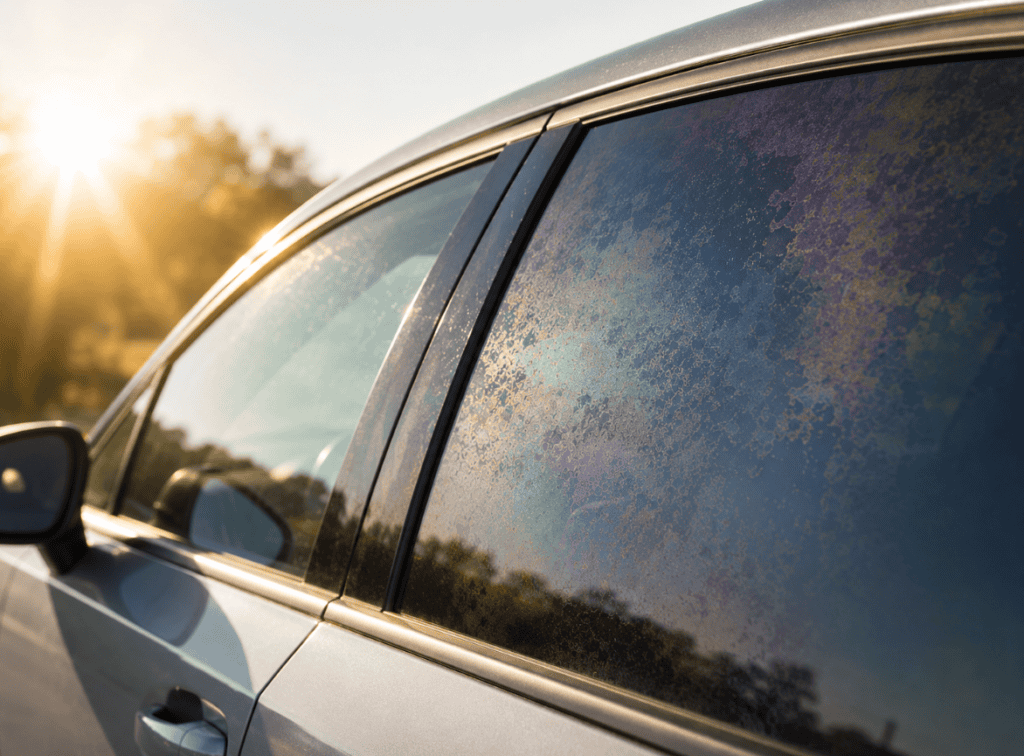
Color change is one of the clearest signs that a film has reached the end of its life. Dyed window films, which are the most basic and affordable type, use color to achieve their tinting effect. Over time, the California sun breaks down that dye layer, and the film shifts from its original grey or charcoal color toward a purple or brownish tint. Once this color change starts, it does not stop or reverse.
The dye has been permanently altered by UV exposure, and no amount of cleaning will restore the original color. A film that has gone purple is not just an eyesore. It is also telling you that the UV protection window tint capability of the film has been compromised along with the dye.
Bubbling is another unmistakable sign of film failure. Bubbles that appear under the film after the initial curing period has passed are caused by adhesive failure, not by trapped moisture, which is a normal and temporary curing effect. When the adhesive breaks down, it loses its grip on the glass in sections, and air or moisture fills those gaps, creating raised pockets under the film surface. Small bubbles can appear first along the edges and then spread across the glass over time. Bubbling is a sign that the adhesive has degraded and the film needs to come off. It will not get better on its own.
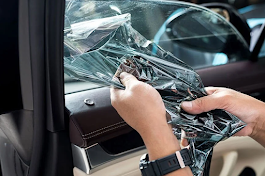
Peeling and lifting at the edges is often the earliest physical sign of film failure. The edges of a window film installation are the most exposed and the most vulnerable. When the adhesive at the edges starts to fail, the film begins to lift away from the glass, starting at corners and along the perimeter. Once an edge starts peeling, it tends to get worse quickly because the lifted section catches air, catches cleaning cloths, and creates mechanical stress that pulls more of the film away from the surface. A small amount of edge lifting can sometimes be temporarily addressed, but when it appears across multiple windows or across the majority of an edge, replacement is the right call.
Scratching and hazing on the film surface are visual signs of a film that has been worn down over time. This can happen from repeated cleaning with abrasive materials, from contact with rough surfaces, or simply from years of normal use. A heavily scratched film surface reduces the clarity of your view through the glass and looks obviously worn. In the case of automotive window tinting, scratched film is also a safety concern because it can reduce visibility at certain angles, particularly in bright light or at night.
Here is a clear list of visual signs that mean your window film needs to go:
- Film has shifted from grey or charcoal to a purple or brown color
- Bubbles are visible under the film surface that did not clear up after the curing period
- Edges or corners are lifting or peeling away from the glass
- The film surface is visibly scratched, hazed, or worn in patches
- Sections of the film appear darker or lighter than the rest of the window
- Cloudiness or a milky appearance that does not clean off and has been present for weeks
Performance Signs That Your Tint Is No Longer Working
Sometimes a film looks acceptable on the surface but is no longer doing its job the way it should. Performance degradation is a real issue with older or lower-quality films, and it happens in ways that are easy to overlook because the change is gradual rather than sudden.
Increased heat inside your car or home is one of the most telling signs. If you remember feeling noticeably cooler in your vehicle or near your windows when the film was new, and now those same spaces feel significantly hotter during warm San Jose afternoons, the film’s heat rejection capability has likely degraded. This is especially common with older dyed films that have been breaking down from UV exposure over the years. The heat reduction window tint performance of a degraded film can drop dramatically, and the difference in interior temperature makes it clear that the film is no longer providing the protection it once did.
More glare coming through the windows than before is another performance signal. Glare reduction window film works because the film scatters or absorbs certain wavelengths of incoming light. When the film degrades, particularly when the dye layer breaks down or the surface becomes scratched and hazy, its ability to control glare diminishes. Drivers who start squinting again during commutes they used to handle comfortably, or homeowners who notice screens becoming harder to see near windows that used to be comfortable, are often dealing with film that has lost its glare control capability.
A less obvious but important performance sign is reduced UV protection. There is no way to see UV radiation, which makes this degradation hard to detect directly. But there are indirect signs. If furniture, flooring, or interior surfaces near your windows start showing new fading or discoloration that was not happening before, the film’s UV protection has likely weakened. New sun damage showing up on your car’s dashboard or upholstery in areas that were previously well-protected is another indicator that the UV blocking capability of the film has declined.
For homeowners and businesses investing in energy efficient window tint, a noticeable increase in cooling costs during comparable weather conditions can indicate that the film is no longer performing at the level it was when installed. Energy-saving window tint solutions work by reducing solar heat gain, and when that heat rejection drops off due to film degradation, the air conditioning system has to work harder to maintain the same indoor temperature, which shows up in energy bills.
Here are the performance-based signs that your film needs replacing:
- Interior temperature in your car or home feels hotter near windows than it used to
- Glare has returned or worsened through windows that previously felt comfortable
- Interior furnishings, flooring, or car surfaces near windows are showing new fading
- Energy bills have increased during warm months without any other explanation
- The privacy level through your windows has visibly decreased
How Long Different Films Last and What to Do Next
Understanding the typical lifespan of different film types helps you know when to start paying attention to replacement signs even before obvious problems appear.
Basic dyed films are the shortest-lived option. In California’s intense sun, a dyed film can start showing color change and performance degradation within five to seven years. If your car or home has had dyed film for more than five years and you are noticing any of the signs described above, replacement is likely overdue. This is one of the most common situations the team at Dr. Tint California Window Tinting handles, replacing old dyed film with a better product that will perform longer and more reliably.
Carbon and metalized films last longer, typically seven to ten years, before significant degradation occurs. They are more resistant to UV-related color change than dyed films, but the adhesive layer still ages over time, and edge lifting and bubbling can appear as the film approaches the end of its life.
Ceramic and premium films are the longest-lasting option. Quality ceramic films installed by top window tint specialists in San Jose routinely last ten to fifteen years or more with proper care. Even with ceramic film, the adhesive eventually ages, and the signs described in this guide will appear when it is time for replacement. The longer lifespan is one of the most practical reasons to invest in a premium product upfront rather than replacing a cheaper film every few years.
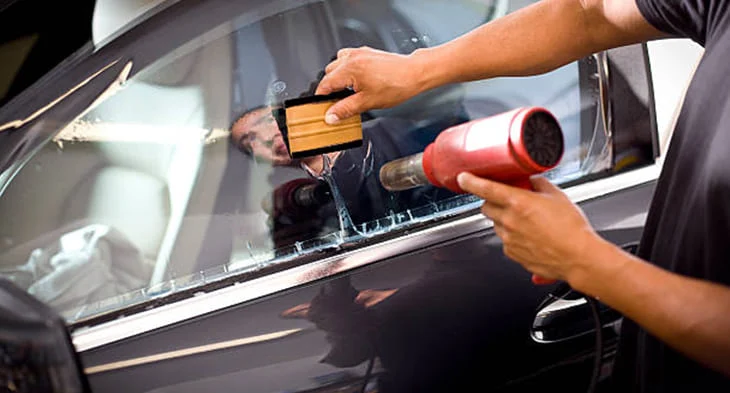
When you spot any of these signs on your car, home, or commercial windows, the right move is to have the film professionally removed and replaced rather than waiting. Old film left in place when it has already failed provides little protection against heat, UV rays, or glare, and it continues to look worse over time. Getting it replaced promptly means you start enjoying the full benefits of new window tinting services right away.
Dr. Tint California Window Tinting handles film replacement for vehicles, homes, and businesses throughout San Jose. Whether your old automotive window tinting has gone purple and bubbly or your residential window tinting has lost its heat rejection after years in the California sun, the team removes old film cleanly, prepares the glass properly, and installs a new premium product that performs from day one. As the best window tinting in San Jose, the goal is always to give you a result that lasts and performs exactly as it should for years to come. If you are seeing any of the signs in this guide, reaching out for a professional assessment is the smart next step.
Related Post