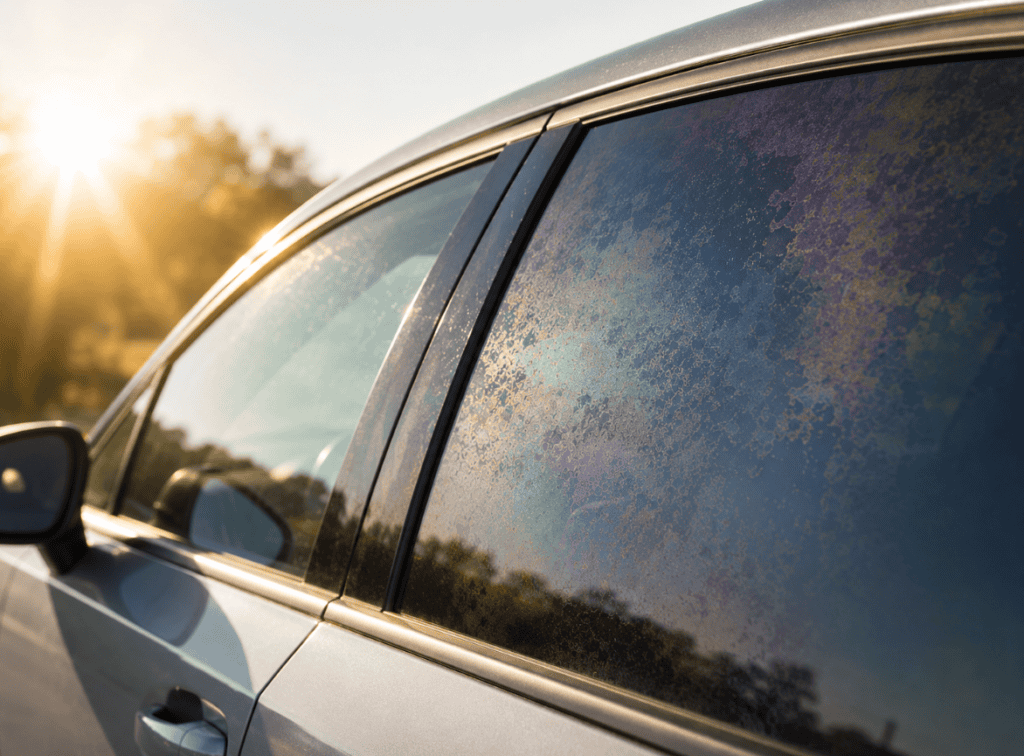
My neighbor bought a used car from someone in Milpitas and the tint job looked decent at first glance. Three months later, bubbles started appearing on the back window. Then the edges on the driver’s side started peeling. By six months, the tint on one window had this weird purple tint like it was aging badly. He ignored it for a while hoping it would somehow get better, but obviously it just got worse.
Thank you for reading this post, don't forget to subscribe!He finally took it to a shop for window tint repair in San Jose and they told him the original tint was cheap film, poorly installed, and already failing. They had to strip all the old tint off and redo it properly. Cost him way more than if he’d just had it fixed when the first bubbles appeared.
That’s the thing about tint problems – they don’t fix themselves. Small issues become big issues if you wait. Getting window tint repair done early saves you money and headaches.
Common Window Tint Problems
Tint fails in predictable ways. Understanding what’s happening helps you know when you need repair versus replacement.
Bubbling is probably the most common problem. Air or water gets trapped under the film and creates bubbles that won’t go away. Small bubbles sometimes happen right after installation and work themselves out during curing. But bubbles that appear later or keep growing mean the film is delaminating from the glass.
I had a truck with factory tint that started bubbling after a few years. Started with tiny bubbles along the edges, spread across the whole window within months. Turned out the adhesive was breaking down from heat exposure.
Peeling edges happen when the film wasn’t properly adhered or when the edge seal fails. Usually starts in one corner and spreads. Once edges start peeling, water and dirt get under the film and make it worse.
Purple or discolored tint is a sign the film is breaking down from UV exposure. Cheap dyed films turn purple as the dye degrades. Happens on windows that get lots of sun, especially rear windows and west-facing car windows.
Scratches in tint film show up as visible lines or marks. Sometimes from cleaning with abrasive materials, sometimes from objects rubbing against the window. Deep scratches can’t be buffed out – the film needs replacement.
Hazing or clouding makes tint look foggy or milky. Usually means the adhesive is failing or moisture got between the film and glass. Won’t clear up on its own.
Creasing happens when film gets folded or bent. Common on rear windows with defrost lines if the installer didn’t work carefully around the lines. Creases are permanent damage that requires film replacement.
Dirt or debris trapped under the film looks like spots or particles when you look at the window. Happened during installation when the glass wasn’t clean enough. Can’t be fixed without removing and replacing the film.
Tint Removal and Replacement Services
Most tint removal and replacement jobs start with stripping off the old damaged film. This is harder than it sounds if the film is old and the adhesive has baked on.
Professional removal involves heating the film with steamers or heat guns to soften the adhesive, then carefully peeling the film away. The goal is removing film without scratching the glass.
Adhesive residue almost always gets left behind. This sticky residue has to be completely removed before new film can be installed. Professionals use special solvents and scraping techniques.
I watched a tint shop remove old film from a car once. They steamed the window, peeled the film, then spent twice as long scraping and cleaning adhesive residue. Getting glass perfectly clean is the time-consuming part.
DIY tint removal is possible but risky. People use razor blades and solvents but often scratch the glass or leave residue that prevents new tint from adhering properly.
Once the glass is clean, new film installation is standard procedure. Clean glass, apply film wet, squeegee out bubbles, trim edges, let it cure.
The quality of the new film matters enormously. If you’re replacing failed cheap film, don’t put cheap film back on. Upgrade to quality film that won’t fail again in a year.
Replacement tint should come with a real warranty. Quality film manufacturers warranty against bubbling, peeling, fading, and adhesive failure for years. Get that warranty in writing.
Some shops offer package deals for full removal and replacement. Stripping all the old tint and installing quality new film across all windows. Makes sense if multiple windows are failing.
Bubble and Peel Repair Options
Small bubble or peeling problems sometimes get repaired without full film replacement, depending on the extent of damage.
If bubbling is limited to a small area and the rest of the film is fine, some installers can cut out the damaged section and patch it. This works better on back windows where a patch might not be as visible.
Edge peeling can sometimes be re-adhered if caught early. The installer cleans the edge, applies new adhesive or uses edge sealing tape, and presses the film back down. Success depends on how much the edge has peeled and whether the adhesive is still viable.
My sister had edge peeling on one window. She caught it when it was maybe an inch of peeling in one corner. The shop cleaned it, re-sealed it, and it’s held for two years since. Catching it early made repair possible.
But honestly, most bubble and peel problems mean the film is failing and full replacement is the right answer. Patches and re-adhesion are temporary fixes that might buy you time but probably won’t solve the underlying problem.
If the film is bubbling or peeling because it’s old and the adhesive is degraded, repairing one spot doesn’t fix the rest of the film that’s also aging. You’re just delaying the inevitable.
If bubbling happened because of poor installation – dirt under the film, inadequate adhesive application – repair might work if the problem is localized. But poor installation usually affects the whole window.
The decision between repair and replacement comes down to the extent of damage and the cause. A professional can assess your specific situation and recommend the most cost-effective approach.
Sometimes the economical choice is replacing just the damaged window rather than all windows. If only your back window is bubbling and the rest are fine, just redo that one window.
Fixing Scratched or Damaged Tint
Scratches in window tint film can’t really be repaired. The film itself is scratched – you can’t polish it out or fill it in like you might with car paint.
Minor surface scratches might be less noticeable after cleaning. Sometimes what looks like a scratch is actually residue or marks on the film surface. Worth trying to clean before assuming it’s permanent damage.
But actual scratches in the film material are permanent. If it bothers you, replacement is the only real fix.
Scratches from cleaning with abrasive materials or paper towels are preventable. Use soft microfiber cloths and gentle cleaners. No ammonia-based cleaners that damage film, no rough materials.
Deep scratches or gouges definitely require film replacement. Can’t be hidden or repaired. If someone keyed your car window or something sharp dragged across the tint, you’re replacing that film.
The good news is you can replace just the scratched window. Don’t need to redo all your tint if only one window got damaged.
For home or office windows with scratched decorative or privacy film, replacement is straightforward. Remove the damaged film, clean the glass, install fresh film. Usually done in a couple hours.
Some people live with minor scratches if they’re not too noticeable. Whether to replace comes down to how much the scratches bother you and whether they affect visibility or function.
Purple or Fading Tint Restoration
When tint turns purple or fades, it’s because the film material is breaking down. This happens with cheap dyed films that aren’t UV-stable.
There’s no way to restore purple tint to its original color. The dye has degraded permanently. The only fix is removing the old film and replacing it with quality film that won’t purple.
Purple tint is embarrassing on cars. It screams “cheap tint job” and makes your car look poorly maintained. I see cars around San Jose with purple tint all the time – usually older tint or bargain installations.
If your tint is starting to show purple hints, it’ll only get worse. UV exposure continues breaking down the dye. What’s slightly purple now will be definitely purple in six months.
Upgrading to ceramic or carbon film when you replace purpled tint ensures it won’t happen again. These films don’t use dyes that degrade. They maintain their color indefinitely.
The same goes for tint that’s fading unevenly or developing splotchy discoloration. The film is failing and needs replacement.
Some people try to live with purple tint to avoid replacement costs. But you’re driving around advertising poor quality work every day. Plus the film probably isn’t blocking UV or heat effectively anymore if it’s degraded that badly.
For homes and offices, fading tint is less about appearance and more about lost performance. If your heat-rejecting film has faded, it’s probably not rejecting heat as well as it did originally. Time for replacement.
Finding Reliable Window Tint Repair Services
Window tint repair services in San Jose vary in quality. Finding shops that do repairs right matters because bad repair work just creates new problems.
Look for shops that specialize in tint work rather than places that do tinting as a side business. Dedicated tint shops have the experience and materials to handle repairs properly.
Ask about their removal process. Do they use proper steaming and adhesive removal techniques? Shops that talk about careful removal without damaging glass are good signs.
Check what film brands they use for replacements. If they’re replacing failed cheap film with more cheap film, you’ll be back in a year with the same problems. Quality film costs more but lasts.
Warranties matter for repair work. The shop should warranty their installation work. The film manufacturer should warranty the film itself. Get both in writing.
Read reviews specifically about repair work. “Fixed my bubbling tint and it’s held up great” or “stripped my old tint and the new stuff looks perfect” – those are the reviews you want.
Ask to see examples of removal and replacement work if possible. A shop confident in their work will show you before and after examples.
Price shouldn’t be your only consideration. The cheapest repair is probably cutting corners somewhere – using cheap film, rushing the removal process, inadequate surface prep. You get what you pay for with tint work.
Mobile tint repair services exist but be cautious. Good tint work requires controlled environment – clean space, proper temperature, no wind or dust. Your driveway isn’t ideal for quality installation.
DIY Tint Repair vs Professional Service
Some people try DIY tint repair to save money. Sometimes it works, often it doesn’t.
Removing old tint yourself is the riskiest part. Using razor blades on glass requires skill to avoid scratching. Heat guns can crack glass if used wrong. Adhesive removal without proper solvents leaves residue that prevents new tint from adhering.
I tried DIY tint removal once on a side window. Scratched the glass in three places, left adhesive residue everywhere, and gave up frustrated. Paid a shop to finish what I started and fix my mistakes. Cost more than just hiring them from the start.
Installing new tint DIY is possible with patience and the right materials. Pre-cut kits for specific car models make it easier. But getting professional results requires practice.
Bubbles are the main DIY problem. Getting all the air and water out without creating new bubbles or wrinkles takes technique. Professionals make it look easy because they’ve done thousands of windows.
For small simple windows – like a bathroom window with privacy film – DIY might work fine. For car windows, especially rear windows with curves and defrost lines, professional installation is worth the money.
The cost difference between DIY and professional isn’t huge for single windows. Maybe $50-100 difference. Not worth the risk of botched installation for most people.
If you’re set on DIY, at least invest in quality film. Don’t buy the cheapest kit on Amazon. Get actual brand-name film with warranties.
Watch installation videos from reputable sources before attempting it. Understanding the process helps but doesn’t replace experience.
Know when to give up and call professionals. If your DIY attempt creates more problems, stop before you make it worse. Professionals can fix DIY disasters but it costs more than just hiring them originally.
Warranty Claims and Tint Repair
If your tint is failing and it’s relatively new, check your warranty before paying for repairs. Quality tint comes with manufacturer warranties covering defects.
Bubbling, peeling, fading, discoloration – these are typically covered under film warranties if they happen within the warranty period.
Installation warranties are separate and usually shorter. They cover problems from improper installation – edges not sealed, contamination under film, insufficient adhesive application.
To make a warranty claim, you’ll need proof of purchase and installation. Keep your receipt and any warranty documentation.
Contact the shop that installed your tint first. They should handle warranty claims with the film manufacturer. Good shops stand behind their work and make the process easy.
Some shops resist warranty claims or make it difficult. This is why choosing reputable installers matters. Shops that use quality film and provide good service honor warranties without hassle.
Read your warranty terms carefully. Many exclude damage from accidents, modifications, or improper maintenance. Scratches from cleaning with abrasive materials probably aren’t covered.
Time limits apply. If your warranty is five years and your tint fails in year six, you’re paying for repairs yourself.
Transferability matters if you bought a car with existing tint. Many warranties aren’t transferable to new owners. The original purchaser needs to make claims.
Factory tint on cars sometimes has separate warranty coverage through the vehicle manufacturer. Check your car warranty documentation if factory tint is failing.
Preventing Future Tint Problems
After getting tint repaired or replaced, proper care prevents future problems.
Clean tint properly. Use soft microfiber cloths and gentle cleaners. No ammonia-based products, no paper towels, no abrasive scrubbing.
Wait for full curing before rolling down car windows after new installation. Usually 2-3 days minimum. Rolling windows down too soon damages fresh tint.
Park in shade when possible. Constant sun exposure ages tint faster. Cars that park in covered garages have tint that lasts longer than cars sitting in parking lots all day.
Don’t use stickers or tape on tinted windows. The adhesive damages film when you try to remove it.
Keep windows free of debris that could scratch film. Sand, dirt, dust between window and door seal can scratch tint when you roll windows.
Have tint inspected periodically. Catching edge peeling or small bubbles early allows repair before major problems develop.
Choose quality film for replacements. Ceramic or carbon films cost more but last way longer than cheap dyed films. The cost difference spreads over 10+ years of no problems.
Use installers who know what they’re doing. Good installation prevents most tint problems. Bad installation creates problems immediately or within months.
Understand your film’s expected lifespan. Even quality tint eventually needs replacement. 10-15 years is typical for good film. Planning for eventual replacement prevents surprise costs.
When to Repair vs Replace Completely
Deciding between repairing specific windows versus replacing all your tint depends on several factors.
If only one window has problems and the rest look fine, repair that window. No reason to replace tint that’s still performing well.
If multiple windows show problems or if the tint is old across all windows, complete replacement makes sense. Piecemeal repairs on aging tint just delays the inevitable.
Age of the tint matters. If your tint is 7-8 years old and starting to fail, it’s all about the same age. One window failing means others will follow soon. Replace everything now rather than dealing with serial failures.
If you’re unhappy with the darkness level or performance of your current tint, replacement is an opportunity to upgrade. Get film that better suits your needs.
Matching new tint to old tint is sometimes difficult. Film manufacturers change products, discontinue models. You might not be able to match exactly if you replace one window at a time.
The appearance difference between one new window and several old windows can be noticeable. Even same brand and model film looks different when one piece is years newer than others.
Cost-wise, replacing all windows at once usually gets better pricing than replacing them one at a time over months.
But if budget is tight and only one window is damaged, fix that one now and plan for complete replacement later when funds allow.
For homes and offices, the same logic applies. Failing film on south-facing windows might justify replacement, while north-facing windows with no issues can wait.
Window tint repair in San Jose fixes problems before they ruin your investment in quality tint. Whether you need tint removal and replacement for failing film or just want to address bubbles and peeling early, getting repairs done by professionals saves money long-term.
My neighbor’s car looks great now with proper tint. He learned his lesson – check the quality before buying a used car with tint, and fix small problems immediately before they become big expensive problems.
If you’re dealing with bubbling, peeling, purple tint, or any other tint problems, don’t wait hoping they’ll improve. They won’t. Contact window tint repair services that use quality film and know proper removal and installation techniques. Fix it right and you won’t be dealing with the same problems again next year.
Related Post