Removing old window tint sounds like a straightforward job. Grab a corner, pull, done. But anyone who has actually tried it knows the reality is very different. Old film tears into frustrating little pieces, adhesive sticks to the glass like glue, and one wrong move can leave you with scratched windows, damaged defroster lines, or a sticky mess that takes hours to clean up. Knowing what not to do is just as useful as knowing the right technique, and it can save you a lot of time, money, and headache.
Thank you for reading this post, don't forget to subscribe!Whether you are pulling old film off a car, a home window, or a commercial property, the mistakes people make during tint removal are pretty consistent. This guide walks through all of them clearly so you can avoid the ones that cause real damage and understand when it makes more sense to call a professional window tinting service instead of handling it yourself.
The Mistakes That Damage Your Glass
The glass itself is the first thing at risk when tint removal goes wrong. Most people focus on getting the film off and do not think much about what they are doing to the surface underneath. Here is where things tend to go badly.
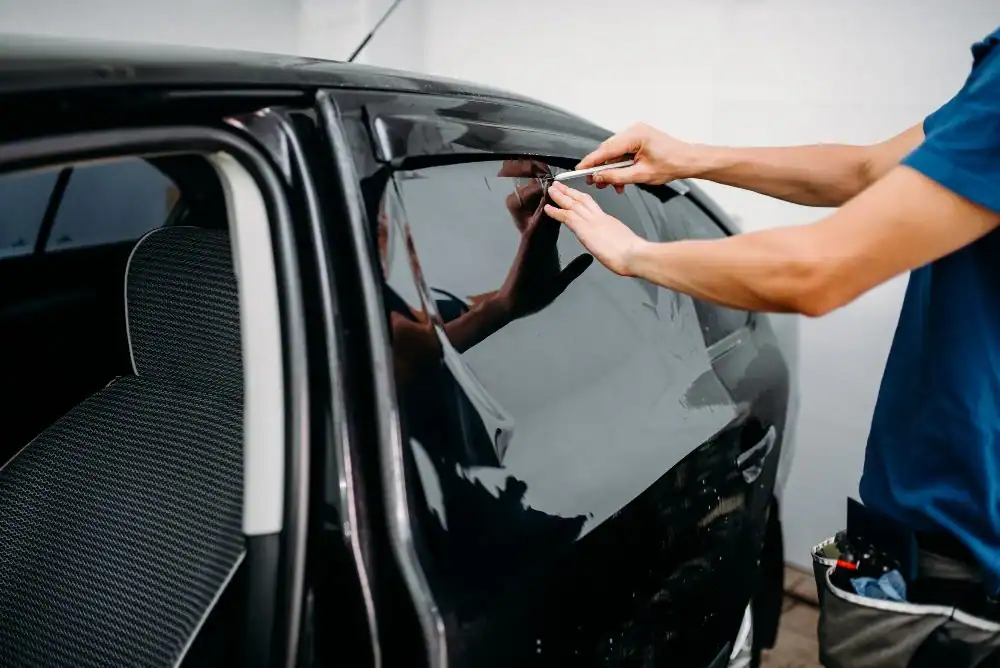
Using a metal razor blade directly on the glass is one of the most common mistakes in DIY tint removal. It seems like the obvious tool for scraping off stubborn adhesive, and it does work in the short term. But metal blades on glass create fine scratches that catch light and make the window look hazy. On tempered glass, which is used in most car side windows, the surface is harder but still vulnerable to metal scraping. On flat home and commercial windows, the risk of visible scratching is even higher. A plastic razor blade or a plastic card does the same job without the scratch risk and should always be the first choice.
Dry scraping is another problem. When you try to scrape adhesive residue off glass without any solvent or lubricant, the adhesive drags instead of lifting. This creates smearing and, in some cases, micro-abrasions on the glass surface. Always apply an ammonia-free solvent, rubbing alcohol, or soapy water to the area first and let it sit for a minute before attempting to scrape. The residue lifts much more cleanly when it has been softened first.
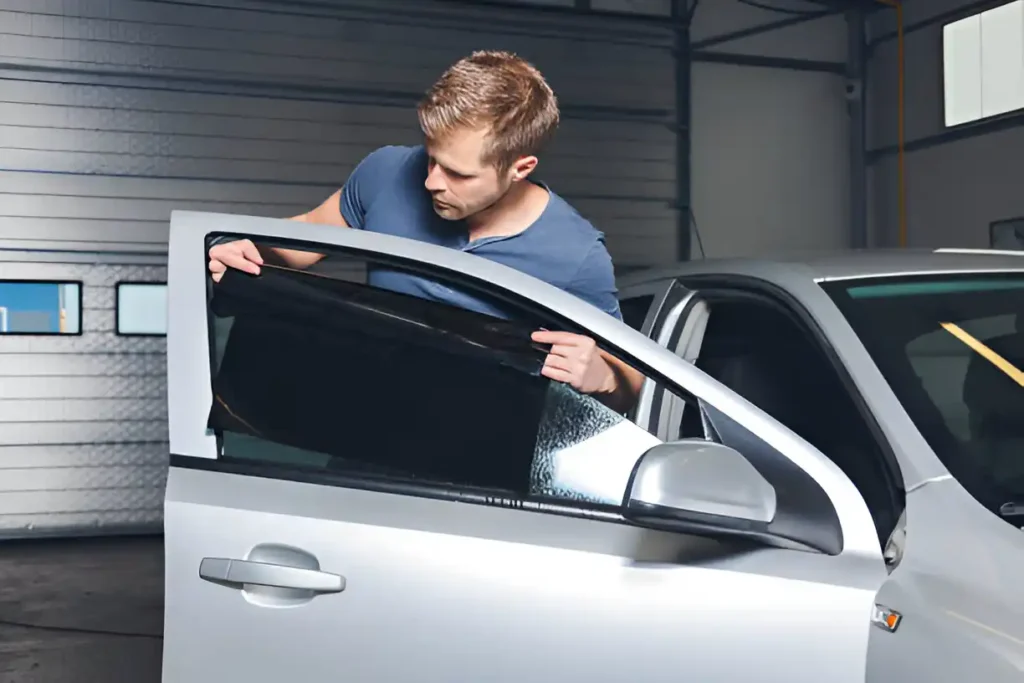
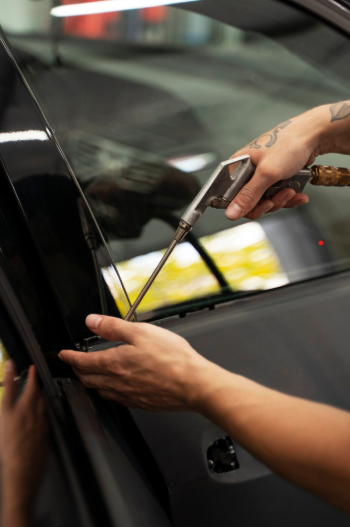
Rushing the film removal without using heat is where most people lose patience. Dry film that has not been warmed up tears constantly into small strips. Every tear means starting over on a new edge, and each new edge is harder to get under than the last. A heat gun or a hair dryer applied to the surface for thirty to sixty seconds softens the adhesive, makes the film more flexible, and dramatically increases the chances of pulling it off in one large piece. Skipping this step costs you far more time than the warm-up takes.
Here are the glass-damaging mistakes to avoid during any tint removal job:
- Using metal razor blades or metal scrapers on the glass surface
- Scraping dry adhesive without applying a solvent first
- Using abrasive pads or rough cloths that can scratch the film and glass
- Pulling film at a steep upward angle that puts stress on small sections and causes tearing
- Spraying harsh chemical solvents without testing them on a small area first
What Happens When You Ignore the Defroster Lines
The rear window of a car is the most delicate surface you will deal with during automotive window tinting removal. The defroster grid, those thin horizontal lines you see across the back glass, is printed directly onto the inside surface of the glass. It is not protected by any coating, and it is very easy to damage if you are not careful.
Scraping across the defroster lines with any tool, even a plastic one, can lift or break them. Once a defroster line is broken, the heating element no longer works across that section, and your rear window will not fully defrost in cold weather. Repairing defroster lines requires a special conductive repair kit, and replacing the entire rear window because of removal damage is a costly mistake that is entirely avoidable.
The right approach for rear window film removal is to work slowly and always wipe or scrape in the same direction as the lines, never across them. Apply heat to soften the film, peel slowly at a very low angle, and use an ammonia-free solvent on a soft cloth to remove any adhesive residue. Never press hard or drag anything laterally across the defroster grid.
A lot of car owners searching for car window tinting near me or San Jose automotive window tint services choose to have professionals handle rear window removal specifically because of this risk. Auto and residential window tint experts know how to work around defroster lines without causing damage, and the cost of professional removal is far less than the cost of replacing a rear window.
Using the Wrong Products and Making the Cleanup Worse
Once the film is off, the adhesive residue left on the glass still needs to be dealt with. This is where a second round of mistakes often happens, usually because people reach for whatever cleaner is nearby without thinking about whether it is safe for the glass or compatible with what comes next.
Ammonia-based cleaners are the biggest offender here. Products like standard household glass cleaner contain ammonia, which is effective at cutting through grease and grime on untreated glass. But on a surface that still has adhesive residue, or on a window where you plan to install new film afterward, ammonia can cause problems. It leaves a chemical residue that interferes with new film adhesion and can cause fresh tint to bubble or bond poorly. Always use an ammonia-free cleaner during and after tint removal.
Acetone and nail polish remover are sometimes suggested for adhesive removal, and they do dissolve adhesive effectively. The problem is that they can also damage window seals, rubber gaskets, and painted surfaces around the glass if they drip or spread. On home windows, acetone can affect certain coatings that may already be present on the glass. Rubbing alcohol is a safer first choice and handles most adhesive residue well when given enough time to penetrate.
Leaving adhesive residue on the glass and installing new film over it is a mistake that shows up immediately. Even a thin layer of leftover adhesive under new window film will cause bubbling, cloudy patches, and poor bonding right from day one. The glass has to be completely clean before any new protective window film installation takes place. This is non-negotiable if you want the new film to look good and last.
Here are the product-related mistakes that make cleanup harder and new installs fail:
- Using ammonia-based glass cleaners after film removal
- Applying acetone near rubber seals, gaskets, or painted trim
- Trying to install new film before all adhesive residue is fully removed
- Using rough paper towels or abrasive cloths that leave fibers and scratches
- Not testing any chemical product on a small hidden area before applying it widely
When the Job Is Better Left to Professionals
Some tint removal jobs are genuinely manageable at home with the right tools, the right products, and enough patience. But there are situations where the risk of damage or the complexity of the job makes professional removal the smarter call.
Very old film is one of those situations. Film that has been baking in the California sun for seven or more years bonds differently than newer film. The adhesive breaks down into a thick, gummy layer that is stubborn and difficult to remove cleanly without commercial-grade products. Top window tint specialists in San Jose have access to professional solvents and tools that make this process much faster and far less likely to cause damage.
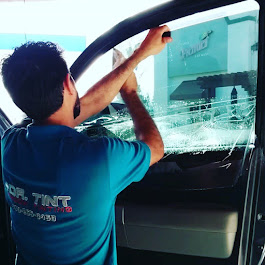
Large home or commercial windows are another case where professional help pays off. Removing sun protection window film from California homes or commercial properties means working with glass panels that are much bigger and harder to manage than a car window. Getting clean removal across a large pane without streaks, adhesive patches, or scratching takes experience and the right equipment. Dr. Tint California Window Tinting handles residential and commercial film removal across San Jose with the kind of precision that a DIY job rarely achieves.
If the plan after removal is to install new tint, having the whole job done professionally from start to finish is almost always worth it. The team at Dr. Tint California Window Tinting prepares the glass correctly, removes every trace of old adhesive, and installs premium window tint that performs exactly as it should. Whether you need affordable car window tinting in San Jose, energy efficient window tint for your home, or heat reduction and glare control window tint for a commercial space, starting with a properly cleaned glass surface is what makes the new install look great and last for years.
Window tint removal done wrong creates problems that are expensive and frustrating to fix. Scratched glass, broken defroster lines, and adhesive residue that ruins a new install are all avoidable outcomes when you know what mistakes to steer clear of. Take your time, use the right tools, apply heat, choose ammonia-free products, and work carefully around defroster lines. And when the job is bigger or riskier than it looks, the best window tinting in San Jose is just a call away.
Related Post