My neighbor got really nice ceramic tint installed on all his home windows about three years ago. Spent a few thousand dollars on quality film for heat reduction and UV protection. But he never cleaned them properly – used Windex with ammonia and paper towels like he always had. After two years, the film started looking hazy and developed these weird streaks that wouldn’t come off. Turns out the ammonia degraded the film and paper towels scratched it.
Thank you for reading this post, don't forget to subscribe!He ended up needing to replace several windows’ worth of film because of improper maintenance. Cost him another $800 to fix damage that was completely preventable. If he’d just spent $10 on proper cleaning supplies and five minutes learning correct maintenance, his film would still look perfect.
That’s the reality of window film maintenance in San Jose – proper care keeps your investment looking great and performing well for 10-15 years. Neglect or wrong maintenance destroys film that should last a decade.
Why Proper Maintenance Matters
Window film maintenance isn’t just about appearance. How you care for film affects its performance, longevity, and whether it stays under warranty coverage.
Film adhesive longevity depends partly on maintenance. Harsh chemicals break down adhesives over time. Proper cleaning preserves the bond between film and glass.
I’ve seen film fail prematurely because people used aggressive cleaners. Bubbling and peeling that shouldn’t happen for 10 years showed up in 3 years from chemical damage.
Optical clarity degrades from improper cleaning. Scratches from abrasive materials, chemical haze from wrong cleaners, residue buildup from dirty cloths – all these ruin the clear appearance of film.
Warranty coverage often requires proper maintenance. Most manufacturers void warranties if you use prohibited cleaning methods. Keep your film maintained correctly to preserve warranty protection.
Heat rejection and UV blocking performance stays consistent with proper care. Dirty film still works but clean film performs optimally. Regular maintenance ensures you get the benefits you paid for.
The lifespan difference between maintained and neglected film is substantial. Quality film with proper care lasts 12-15 years easily. Same film with poor maintenance might fail in 5-7 years.
My parents’ house has 10-year-old window film that still looks perfect because they clean it correctly. Their neighbor has 5-year-old film from the same installer that looks terrible because he neglects it.
Resale value considerations matter for homes and cars. Well-maintained film is a selling point. Damaged, scratched, or hazy film looks cheap and neglected.
Prevention is way cheaper than replacement. Spending $20 on proper cleaning supplies and 30 minutes twice a year beats spending hundreds or thousands replacing damaged film.
The return on your film investment depends on maintenance. You spent money for benefits – heat reduction, UV protection, privacy, whatever. Maintain it properly to get the full value over its entire lifespan.
Cleaning Window Film Correctly
Cleaning window film requires specific techniques and materials different from cleaning regular glass.
Wait for the curing period before first cleaning. New film needs 7-30 days to fully cure depending on type and conditions. During curing, avoid cleaning entirely or just dust gently.
I made this mistake once – cleaned new tint three days after installation. Created slight hazing that took weeks to fully clear. Should’ve waited the full cure period.
Use only ammonia-free glass cleaners. Ammonia attacks window film, degrading both the film material and adhesive. Many common glass cleaners contain ammonia – check labels carefully.
Windex Original has ammonia – don’t use it. Windex Ammonia-Free is fine. Or use cleaners specifically marketed for window film. Brands like Unger and 3M make film-safe products.
Microfiber cloths are essential. Paper towels scratch film. Regular cleaning rags leave lint. Soft microfiber cloths clean effectively without scratching.
Buy dedicated microfiber cloths for window cleaning. Keep them separate from cloths used for other cleaning where they might pick up abrasive particles.
Spray cleaner on the cloth, not directly on windows. Spraying directly can force liquid into film edges or into window mechanisms. Spray your cloth then wipe the window.
Wipe gently in straight lines. Don’t scrub aggressively. Gentle pressure removes dirt without stressing the film.
For stubborn spots, use warm water first. Often dirt and residue come off with just water. Add cleaner only if water doesn’t work.
Never use abrasive scrubbers, steel wool, razor blades, or rough materials. These scratch film permanently. Scratched film can’t be repaired – only replaced.
Clean both sides of the glass. Film is usually on interior, but exterior surface also needs cleaning. Use normal glass cleaner on the exterior where there’s no film.
Frequency depends on conditions. Home windows might need cleaning every 2-3 months. Cars in dusty conditions might need monthly cleaning. Clean when they look dirty.
Products to Avoid on Window Film
Certain cleaning products and materials destroy window film even if they work fine on regular glass.
Ammonia-based cleaners are the number one enemy. This includes most common glass cleaners. Ammonia breaks down film and adhesive causing haze, discoloration, and delamination.
Check ingredient lists carefully. Products might not advertise ammonia but contain it. Look for “ammonia-free” explicitly stated.
Abrasive cleaners like Comet, Ajax, or Bar Keeper’s Friend destroy film. The abrasive particles scratch the film surface beyond repair.
Seems obvious but people try these thinking stubborn spots need aggressive cleaning. They scratch the film then realize their mistake.
Vinegar-based cleaners are debated. Some say mild vinegar solutions are fine, others say vinegar can damage certain films. When in doubt, avoid it. Stick to products specifically approved for film.
Alcohol-based cleaners can damage some films. Isopropyl alcohol, methylated spirits – these can attack film materials. Not universally harmful but risky.
Acetone and paint thinners obviously damage film. Only mentioning because people sometimes make very bad decisions when trying to remove stubborn stains.
Steel wool, razor blades, and scraping tools scratch film. Never scrape window film like you might scrape regular glass. The film is the top layer and scraping damages it.
Magic Erasers are melamine foam – basically very fine sandpaper. They scratch window film. Don’t use them even though they work great on other surfaces.
Pressure washers on high settings can damage film edges. The force can lift edges or force water under the film. Use normal pressure rinsing instead.
Some automotive detailing products damage window film. Clay bars, polishing compounds, tar removers – these are for paint, not for window film.
Paper towels seem harmless but their rough texture scratches film over time. Each cleaning leaves micro-scratches that accumulate into visible damage.
Dirty rags or cloths with embedded particles scratch film. Even using the right cloth type, if it’s contaminated with dirt or grit, you’ll scratch the film.
Maintaining Different Film Types
Different types of window film have specific maintenance requirements.
Ceramic film is most durable and easiest to maintain. Resistant to chemicals and scratches compared to other types. Standard gentle cleaning keeps ceramic film looking perfect.
My car has ceramic tint that’s 5 years old and still looks brand new with just regular careful cleaning. Very forgiving film type.
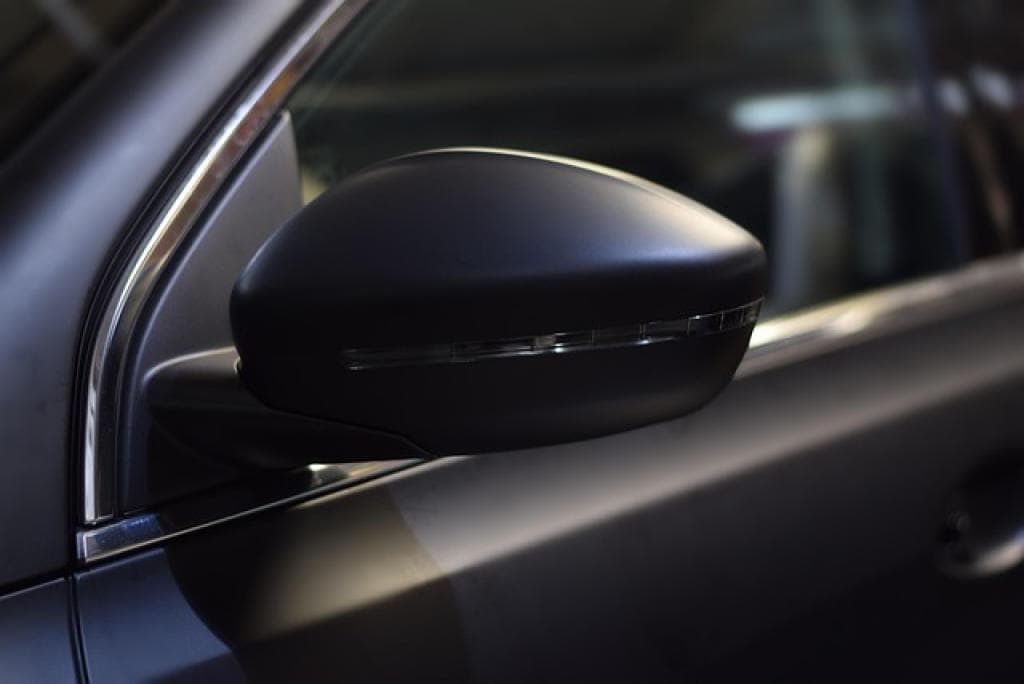
Dyed film is more delicate. The dye layer can fade or discolor from harsh chemicals. Use only the gentlest cleaners and never use anything with solvents.
Metallic film can corrode if wrong chemicals are used. Avoid anything acidic or alkaline. Stick to pH-neutral cleaners designed for window film.
I’ve seen metallic film develop strange discoloration patterns from people using harsh cleaners. The metal layer was reacting with chemicals.
Carbon film is fairly durable but can show scratches more visibly than ceramic. Be extra careful with cleaning materials – only soft microfiber.
Frosted or decorative film requires gentle cleaning because the texture can trap dirt. Use soft cloths and avoid grinding dirt into the textured surface.
Security film is thick and tough but still shouldn’t be scraped or cleaned with abrasives. The self-healing top coat on some security films can be damaged by wrong cleaning.
Anti-graffiti film is designed to be replaced when damaged, but proper cleaning between incidents extends its protective life.
One-way mirror film needs careful exterior cleaning because that’s the reflective side people see. Keep the exterior spotless for best appearance.
Gradient or multi-layer films require uniform cleaning across the whole surface. Harsh cleaning in one area but gentle in another creates uneven appearance.
Dealing With Common Film Problems
Window film maintenance includes addressing minor problems before they become major failures.
Small bubbles that appear weeks after installation usually work themselves out. Give it a month before worrying. If bubbles persist or grow, contact your installer.
Genuine bubbles from poor installation or adhesive failure need professional attention. Don’t try to fix them yourself – you’ll make it worse.
Edge lifting should be addressed immediately. The moment you notice edges peeling, contact your installer. Early edge problems can be re-sealed. Ignored edge lifting spreads rapidly.
My sister noticed slight edge lifting on one window. Called the installer that week. They re-sealed it under warranty and it’s been fine for three years since.
Water spots from hard water can be removed with distilled water or film-safe spot removers. Don’t use harsh chemicals or abrasives to attack water spots.
Adhesive residue on film edges sometimes appears. Very carefully clean with film-safe cleaner. Don’t scrape it off – you’ll damage the film.
Lint and dust particles trapped under film during installation can’t be fixed. If this bothers you, it’s an installation defect. Warranty claim might get it replaced.
Scratches in film can’t be buffed out or repaired. Minor scratches you might live with. Deep scratches that bother you mean replacing that window’s film.
Some ceramic films have self-healing properties. Light scratches disappear when exposed to heat. Test this by running warm water over a scratch – if it’s self-healing film, the scratch might vanish.
Hazing or cloudiness from chemical damage might be permanent. If you used ammonia cleaners and film developed haze, the damage might be irreversible.
Try thorough cleaning with proper products first. If haze remains after careful cleaning, the film material itself is damaged and needs replacement.
Discoloration from UV damage happens with cheap dyed films but shouldn’t happen with quality films. Purple or faded tint is film failure requiring replacement.
Seasonal Maintenance Considerations
Window film needs different care in different seasons and weather conditions.
Summer heat and UV exposure are most intense. Film works hardest during summer blocking heat and UV. Clean film performs better, so early summer cleaning makes sense.
Check film condition before peak summer. Any problems – edge lifting, small bubbles, whatever – get worse in summer heat. Address issues in spring before they worsen.
Winter in San Jose is mild but bring rain. Rain doesn’t damage film but can highlight dirty windows. Post-rain cleaning keeps windows looking clear.
Moisture and humidity don’t harm cured film but can affect newly installed film. If you get new film installed in winter, make sure it’s fully cured before exposing to heavy rain.
Pollen season in spring means more frequent window cleaning. Pollen buildup makes windows look terrible. Clean more often during pollen season.
Dust from dry summer conditions requires more frequent cleaning. San Jose summers are dusty. Your windows show it. More frequent gentle cleaning beats less frequent aggressive scrubbing.
Fall preparation before rainy season means checking film integrity. Make sure edges are sealed, no damage developed over summer. Fix problems before winter rain.
Temperature swings can stress film at edges where expansion and contraction occur. Check edges during seasonal transitions when temperature ranges are widest.
Professional Maintenance Services
Sometimes window film maintenance benefits from professional services beyond DIY cleaning.
Professional film inspection identifies problems you might miss. Installers know what early failure looks like. Annual inspection catches issues while they’re still under warranty.
Some window film companies offer maintenance packages. Annual inspection and professional cleaning for a fee. Makes sense for commercial buildings with lots of film.
Professional cleaning removes buildup you can’t handle. Years of accumulation might need professional products and techniques.
I watched professionals clean 8-year-old commercial window film. They used special solutions and techniques that removed buildup I didn’t know was there. Film looked new again.
Edge re-sealing prevents small problems from becoming big ones. Professionals can re-seal lifting edges before they fail completely.
Film replacement for damaged sections sometimes makes sense. If one window’s film is damaged but others are fine, replace just that one rather than all your film.
Warranty inspections document film condition. If you’re nearing end of warranty period, professional inspection documents any issues before coverage expires.
Color matching for partial replacement ensures new film matches existing film. Professionals can source matching film even if your original film is years old.
Commercial buildings especially benefit from professional maintenance programs. With hundreds of windows, systematic professional care prevents widespread problems.
High-rise or hard-to-reach windows need professional service. You can’t safely clean 10th floor exterior windows yourself. Professionals have equipment and insurance.
Historic buildings with specialty film need expert care. Some decorative or custom films require specific maintenance. Professionals understand these requirements.
DIY Maintenance Best Practices
For typical window film maintenance, homeowners can handle it themselves with proper knowledge and materials.
Invest in quality cleaning supplies upfront. Good microfiber cloths, film-safe cleaner, distilled water for final rinse. Maybe $30 in supplies lasts years.
Keep supplies dedicated to window film. Don’t use your film cleaning cloths for other tasks where they pick up abrasives. Dedicated supplies prevent cross-contamination.
Establish a cleaning schedule. Maybe quarterly for home windows, monthly for cars. Regular light cleaning prevents buildup requiring aggressive cleaning.
My maintenance routine: wipe windows with damp microfiber every month, deep clean with film-safe cleaner quarterly. Takes 15 minutes per session. Film still looks perfect after 7 years.
Work in sections for large jobs. Clean a few windows at a time rather than rushing through everything. Careful cleaning beats fast careless cleaning.
Check edges during every cleaning. Make it habit to inspect edge condition. Catching problems early is easiest during regular maintenance.
Document film condition with photos. Take pictures when film is new and periodically after. If warranty issues arise, you have documentation of film deterioration.
Keep warranty paperwork and maintenance records. If you need warranty service, having records of proper maintenance supports your claim.
Watch for changes in film appearance or performance. If film that always looked clear develops haze, or rooms that stayed cool start getting hot, something’s wrong.
Address problems immediately. Don’t wait and hope issues resolve themselves. Film problems get worse over time, not better.
Learn what’s normal for your film type. Some haziness during curing is normal. Some heat reduction films have slight tint that’s intentional. Know what your film should look and perform like.
Maintaining Film in Different Environments
Window film in different environments faces different maintenance challenges.
Coastal areas with salt exposure need frequent rinsing. Salt spray damages film if left to accumulate. Weekly freshwater rinsing prevents salt buildup.
Boats in saltwater need even more frequent maintenance. Rinse film after every saltwater exposure if possible. Salt is extremely corrosive.
Dusty or agricultural areas generate more particulate buildup. Windows get dirty faster. More frequent gentle cleaning prevents particles from embedding in film.
A house near construction in Evergreen needed twice-weekly window cleaning during building nearby. Dust was constant. Frequent cleaning prevented abrasive dust from damaging film during regular maintenance.
High-traffic commercial areas mean more pollution and grime. Street-facing storefronts get dirtier than residential windows. Commercial film needs more frequent professional cleaning.
Industrial environments with chemical exposure require specialized maintenance. Some industrial chemicals attack film. Knowing what your facility’s exposure includes helps plan maintenance.
Urban areas with more air pollution see faster buildup on windows. City film needs cleaning more often than suburban film.
High-altitude or intense sun areas (like mountains) experience more UV exposure. Film works harder and might need more frequent inspection for UV-related degradation.
Humid environments risk moisture problems at film edges. Inspect edges more frequently in humid climates.
Extending Film Lifespan Through Maintenance
Proper window film maintenance dramatically extends usable life.
Quality film with perfect maintenance lasts 15+ years. Same film with poor maintenance fails in 5-7 years. Your maintenance habits matter more than you think.
Clean regularly but gently. Frequent light cleaning beats infrequent aggressive scrubbing. Gentle care prevents cumulative damage.
Address problems promptly. Edge lift noticed early can be re-sealed. Edge lift ignored for months becomes total failure requiring replacement.
Protect film from damage. Don’t lean objects against filmed windows. Don’t let tree branches scratch them. Prevention is easier than repair.
My parents trim trees away from their windows. No branches scraping film in wind. Their film looks new after a decade.
Use proper products exclusively. Never compromise and use whatever cleaner is handy. Always use film-safe products even if it means buying specific supplies.
Avoid temperature extremes when possible. Don’t park filmed cars in extreme heat immediately after installation. Don’t blast heat or AC directly on newly filmed windows.
Follow manufacturer recommendations. Different films have different care requirements. Read and follow guidance for your specific film product.
Keep warranty active through proper maintenance. Warranty claims require proof of proper care. Maintain records and follow guidelines.
Educate everyone who might clean the windows. Family members, cleaning services, employees – everyone needs to know proper film maintenance.
A commercial building had cleaning crew using ammonia-based cleaner on window film. By the time management noticed, damage was done to dozens of windows. Training prevents expensive mistakes.
Budget for professional maintenance periodically. Even if you handle regular cleaning, professional service every few years catches problems and deep cleans effectively.
When to Replace vs Maintain
Knowing when window film is beyond maintenance and needs replacement saves money and frustration.
Minor problems are fixable. Small edge lifting, light water spots, slight dust accumulation – these are maintenance issues.
Major problems need replacement. Extensive bubbling, purple discoloration, deep scratches, widespread edge failure – you’re replacing film, not maintaining it.
Age matters. Film approaching 15 years has lived its life. Maintenance keeps it going but eventual replacement is necessary.
Warranty coverage affects decisions. If film fails within warranty and you’ve maintained properly, replacement is free. Outside warranty, weigh maintenance cost versus replacement value.
Performance degradation signals replacement time. If heat-blocking film no longer blocks heat effectively, or privacy film becomes see-through, it’s not doing its job.
Technology improvements might justify replacement. Film from 10 years ago is outperformed by modern ceramic films. Upgrading might make sense even if old film is still okay.
Aesthetic problems you can’t fix require replacement. If scratches or hazing bother you and can’t be cleaned away, you’re living with it or replacing it.
Cost of maintenance attempts versus replacement matters. If you’ve spent $200 trying to fix problems on $300 worth of film, replacement makes more financial sense.
Window film maintenance in San Jose keeps your investment performing well for its full lifespan. Whether you have residential heat-reducing film, automotive tint, or commercial window film, proper care prevents premature failure and maintains appearance.
My neighbor learned his lesson the expensive way. His replacement film is now maintained correctly – ammonia-free cleaner, soft cloths, regular gentle cleaning. He’ll get 15 years from this installation instead of destroying it in 3 years.
If you have window film or are considering it, understand maintenance requirements upfront. Use proper products, clean gently and regularly, address problems promptly, and follow manufacturer guidelines. The extra care takes minimal time and effort but delivers years of additional performance from your film investment. Your film will look better, last longer, and continue providing the benefits you paid for.
Related Post