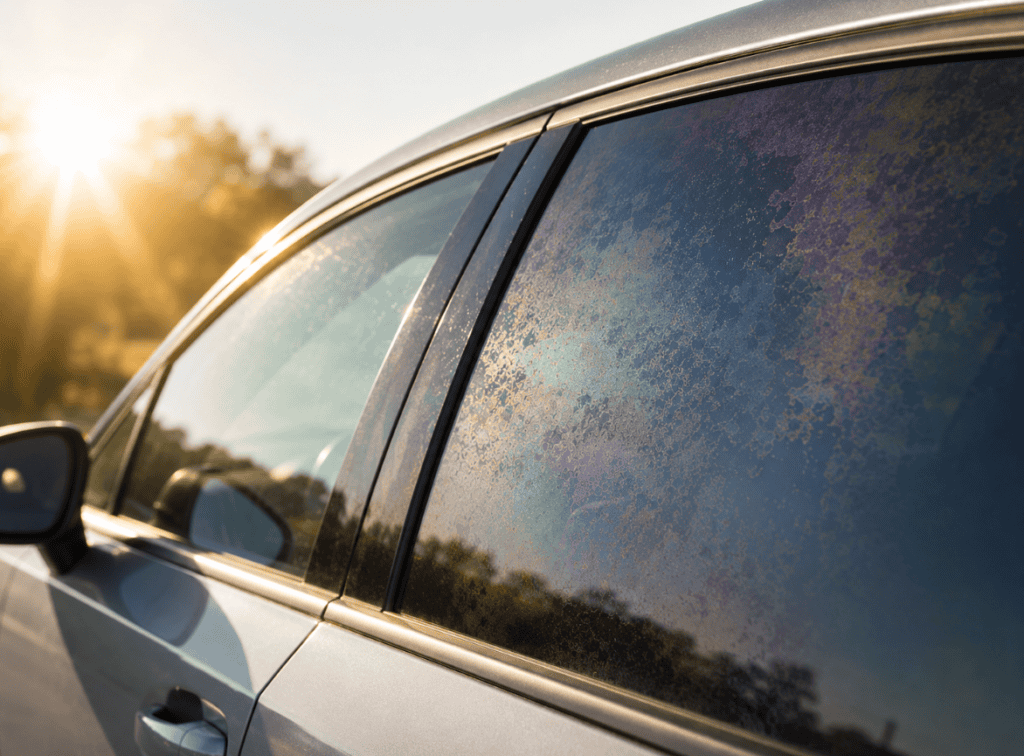
Ceramic tint and regular tint are two of the most commonly compared window film options for drivers, homeowners, and business owners looking for better comfort, protection, and privacy. At Dr. Tint California, a professional window tinting company serving San Jose and the surrounding California region, we hear this question almost every day: what is the actual difference between ceramic tint and regular tint, and which choice delivers the best long-term value? This guide breaks down performance, durability, heat reduction, ultraviolet protection, costs, and ideal applications so you can make an informed decision.
Thank you for reading this post, don't forget to subscribe!Understanding the Basics of Window Tint

How Regular Tint Works
Understanding the core differences starts with recognizing how each type of film is constructed. Regular tint, often called dyed tint, uses layers of color to darken glass and enhance privacy. Ceramic tint, on the other hand, incorporates microscopic ceramic particles that reject heat, block ultraviolet radiation, and improve clarity without relying on dyes or metals. These structural differences are what create such dramatic performance contrasts between the two film categories.
Comparing Key Benefits
Advantages of Regular Tint
Regular tint offers several advantages, especially for customers focused on affordability. It provides noticeable privacy enhancement, reduces glare during sunny conditions, and offers a visually appealing shaded appearance. For many vehicle owners or homeowners working within a budget, regular tint serves as a practical entry-level option. However, because dyed tint absorbs rather than reflects heat, it tends to offer limited thermal performance, particularly during hot California summers.
Advantages of Ceramic Tint
Ceramic tint stands apart because of its superior engineering. Instead of using dyes, it relies on non-conductive ceramic elements that excel at rejecting infrared heat without compromising visibility. This technology allows ceramic films to keep interiors significantly cooler, protect dashboards and furniture from sun damage, and maintain their original color for years without fading. Drivers appreciate the improved comfort, while homeowners enjoy improved climate stability and reduced energy demands.
Performance Breakdown
Heat Reduction
When it comes to heat reduction, ceramic tint consistently outperforms regular tint. Infrared rejection is one of the most important performance indicators for window film, and ceramic products excel because their particles disperse and reflect heat rather than absorbing it. This helps keep vehicles, homes, and commercial buildings noticeably cooler, particularly during peak sunlight hours. People who frequently park outdoors or those who want to reduce reliance on air-conditioning systems often benefit the most from upgrading to ceramic.
Ultraviolet Protection
Ultraviolet protection is another category where ceramic tint clearly surpasses regular tint. High-quality ceramic films block up to ninety-nine percent of harmful ultraviolet rays, helping prevent skin damage, fading interiors, and protecting sensitive materials. While regular tint provides some ultraviolet resistance, it simply cannot match the long-term shielding power offered by ceramic technology. Families, long-distance commuters, and property owners with valuable interior furnishings often prefer ceramic for its exceptional protective performance.
Durability and Lifespan
Durability is also an essential factor when comparing these two film styles. Regular tint tends to fade or discolor as the dye breaks down under prolonged sunlight exposure. Ceramic tint resists fading entirely because it contains no dye, and the materials maintain their structural integrity even under harsh conditions. For anyone looking for long-lasting value and consistent appearance, ceramic tint becomes the more cost-effective choice over the lifespan of the installation.
Cost Considerations
Upfront Price
Cost is one of the major considerations for many clients. Regular tint is the most affordable option, making it popular for basic vehicle tinting or budget-friendly residential projects. Ceramic tint does cost more initially, but its performance benefits often justify the investment. Lower energy usage, improved comfort, longer material lifespan, and greater ultraviolet protection all contribute to long-term savings that frequently outweigh the higher upfront price.
Best Uses for Each Tint Type
Automotive Applications
For automotive use, ceramic tint is widely considered the best option for drivers who prioritize comfort, clarity, and lasting quality. It keeps interiors cooler, prevents glare, and maintains exceptional visibility during both day and night conditions. Regular tint still works well for drivers who simply want a darker appearance or a low-cost upgrade, but those who spend long hours commuting or traveling often appreciate the advanced benefits of ceramic products.
Residential Applications
For residential applications, ceramic tint offers overwhelming advantages. Homes benefit significantly from improved thermal stability, reduced glare, and superior ultraviolet blocking. Ceramic tint can lower indoor temperatures, protect flooring and furniture, and provide a more comfortable environment without relying heavily on cooling systems. Regular tint can help with privacy and glare reduction, but it does not provide the same energy efficiency or long-term durability.
Commercial Applications
Commercial buildings also gain substantial value from ceramic window tinting. Offices, retail spaces, and institutions with large windows experience improved energy savings, reduced glare on computer screens, and better occupant comfort. Ceramic tint enhances sustainability efforts by lowering cooling demands, which is especially important for businesses managing high energy expenses. Regular tint still works in low-light environments or spaces that only require basic shading, but ceramic films deliver the most comprehensive performance benefits.
Which Tint Should You Choose?
The question of which tint is better ultimately depends on your priorities. If affordability is the main concern and you want simple glare control or a darker appearance, regular tint is a reasonable choice. But if you prioritize long-term value, heat control, interior protection, and clarity, ceramic tint clearly delivers the highest performance across every category. Many customers who choose regular tint initially later upgrade to ceramic once they experience the difference firsthand.
Frequently Asked Questions
Does ceramic tint look darker?
Many people wonder whether ceramic tint looks darker, but the shade level depends on visible light transmission rating, not the film material.
Does ceramic tint interfere with electronics?
Ceramic tint does not affect GPS, radio, or Bluetooth signals.
How long does each tint last?
Ceramic films typically last far longer than dyed films because they resist fading and maintain structural performance over many years.
What about tinting laws?
Understanding legal guidelines is also important for anyone considering window tinting. Tint laws vary by state, and California has specific rules about how dark front, rear, and side windows may be. Ceramic tint is available in a wide range of shades, making it easy to meet requirements while still benefiting from superior heat rejection and ultraviolet protection.
Installation Quality Matters
Choosing the right window tint also involves evaluating installation quality. Even the best ceramic or regular tint will underperform if installed improperly. Professional installation ensures the film adheres smoothly, avoids bubbling, and aligns precisely with window edges. Experienced installers also help you compare options based on your goals, whether you want heat reduction for your vehicle, improved energy efficiency for your home, or better privacy for a commercial property.
Comfort, Clarity, and Maintenance
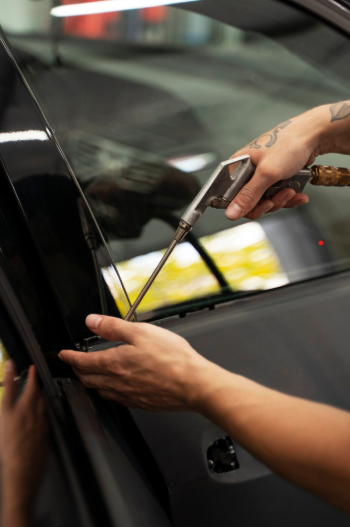
Comfort is another reason many customers turn to ceramic tint. Vehicles exposed to direct sunlight can heat up quickly, making driving uncomfortable and increasing the need for air-conditioning. Ceramic tint reduces interior temperatures more effectively than regular tint, creating a cooler environment and improving overall driving comfort. Homes and businesses also experience noticeable differences, particularly in rooms with large windows or significant sun exposure.
Clarity also plays an important role. Ceramic tint offers exceptional optical clarity that does not interfere with night driving or indoor visibility. Regular tint may develop haze or distortion as it ages, especially when the dye begins to fade.
Maintenance is simple for both film types, but ceramic tint maintains its appearance and performance longer, reducing the need for replacement and providing better long-term value.
Conclusion
Choosing between ceramic tint and regular tint ultimately depends on the level of performance, comfort, and protection you want for your vehicle, home, or commercial property. Ceramic tint consistently delivers superior heat rejection, longer durability, clearer visibility, and stronger ultraviolet protection, making it the ideal choice for long-term value and overall comfort. Regular tint still offers a practical and affordable option for basic privacy and glare reduction, but it cannot match the advanced benefits of ceramic technology.
If you are ready to enhance your comfort, improve energy efficiency, and protect your interior spaces, Dr. Tint California in San Jose is here to help. Contact our team today to schedule a consultation and discover the best tinting solution for your needs. Our experts ensure exceptional results for every project whether it’s automotive, residential, or commercial.
Related Post