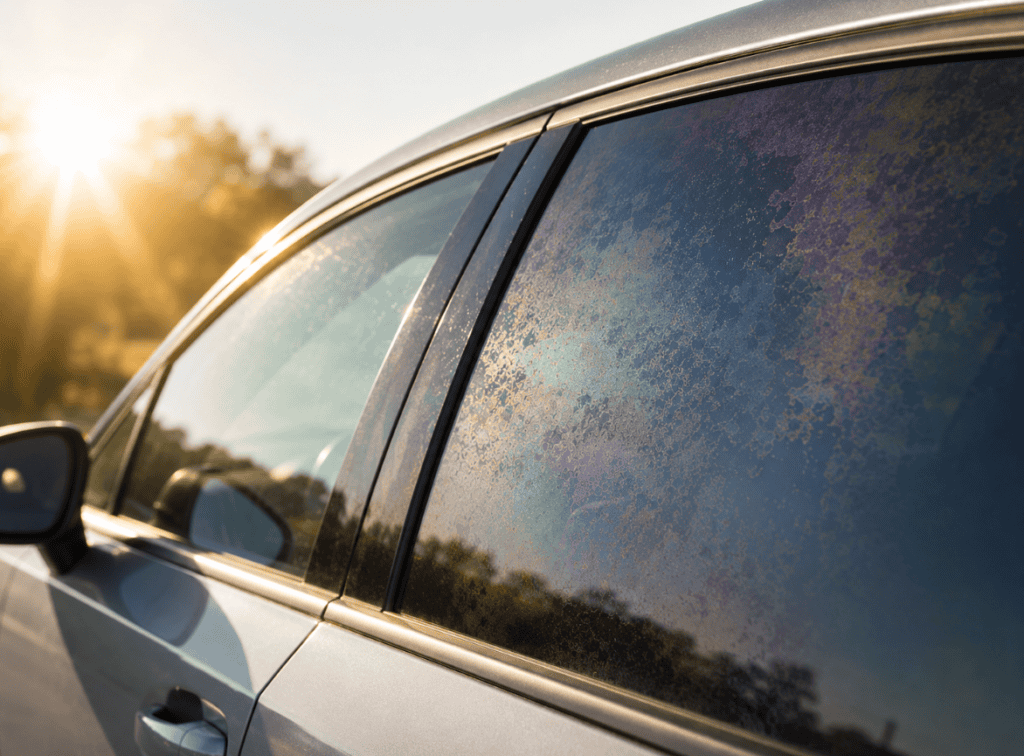
My friend owns a restaurant in Japantown with a beautiful open kitchen separated from the dining area by large glass walls. Customers loved watching the chefs work, but the glass constantly fogged up from the temperature difference between the hot kitchen and air-conditioned dining room. They’d wipe it down constantly but within minutes it fogged again. The whole point of the glass kitchen was visibility and it was completely obscured half the time.
Thank you for reading this post, don't forget to subscribe!They installed anti-fog window film in San Jose on the kitchen side of the glass and the fogging problem disappeared completely. The glass stays crystal clear now no matter how hot the kitchen gets or how cold the dining room AC is running. Customers can actually watch the cooking like intended, and kitchen staff aren’t constantly wiping condensation.
That’s what anti-fog window film does – it eliminates condensation problems that regular glass and even regular window film can’t solve.
How Anti-Fog Film Works
Anti-fog window film uses specialized coatings to prevent water vapor from condensing into vision-blocking fog.
The science involves surface tension and hydrophilic properties. Regular glass allows water vapor to form tiny droplets that scatter light creating fog. Anti-fog coatings spread water into thin transparent sheets instead.
Think of how water beads on waxed cars versus sheeting off clean glass. Anti-fog film makes water sheet rather than bead, maintaining transparency.
Hydrophilic coating attracts water molecules and spreads them evenly across the surface. The thin water layer is transparent while beaded droplets create fog.
I saw a demonstration where they breathed on regular glass versus anti-fog glass. Regular glass fogged completely. Anti-fog glass stayed clear with just slight dampness.
Temperature differential tolerance means the film works across wide temperature ranges. Kitchen to dining room, bathroom to bedroom, car interior to exterior.
The coating is usually on the film surface facing the moisture source. Bathroom film faces the shower. Kitchen film faces the cooking area.
Durability of anti-fog coating varies by quality. Premium films maintain anti-fog properties for years. Cheap coatings wear off quickly.
Self-cleaning properties often accompany anti-fog film. The hydrophilic surface resists dirt and grime accumulation.
Application to existing glass makes it retrofit-friendly. Don’t need to replace windows – just add anti-fog film.
Compatibility with other film properties means you can get anti-fog plus UV blocking, or anti-fog plus privacy, or anti-fog plus heat reduction.
Performance in extreme conditions separates quality products from basic ones. San Jose’s relatively mild climate is easy. Industrial kitchens or intense bathroom moisture are challenging.
Anti-Fog Film for Bathrooms
Anti-fog film in bathrooms solves the universal problem of foggy mirrors and windows after showers.
Bathroom mirrors fog completely during hot showers. Can’t see to shave, apply makeup, or fix hair until fog clears.
My bathroom mirror was useless for 10 minutes after every shower. Anti-fog film on the mirror changed everything – crystal clear even during the steamiest showers.
Shower doors and enclosures fog on the outside from temperature differential. Can’t see through glass defeating the purpose of glass enclosures.
Windows in bathrooms fog from shower moisture. You want natural light but fogged windows are ugly and block views.
Privacy concerns with anti-fog film need consideration. Clear glass that doesn’t fog might need privacy film layer if windows face neighbors.
Combining anti-fog with frosted privacy film solves both problems. Frosted for privacy, anti-fog coating keeps it clear instead of condensation-blurred.
Ventilation improvement happens as side benefit. When moisture sheets off instead of beading, air circulation improves.
Mold and mildew reduction because water doesn’t sit in droplets creating growth environments. The sheeting action moves water to drains faster.
A bathroom that had constant mildew problems on the glass shower door improved dramatically after anti-fog film. Water ran down instead of sitting in droplets.
Installation on interior or exterior of glass depends on moisture source. Shower moisture inside the enclosure means film goes on interior surface.
Heated anti-fog film exists for extreme conditions. Electric heating element plus anti-fog coating provides maximum fog prevention.
Maintenance of anti-fog film is minimal. Gentle cleaning maintains coating effectiveness. Harsh chemicals can damage the coating.
Kitchen and Restaurant Applications
Anti-fog window film is critical for commercial kitchens with glass walls or windows.
Display kitchens in restaurants need clear glass to showcase cooking. Fogging defeats the entire purpose of expensive glass installations.
My friend’s restaurant had spent $30,000 on the glass kitchen design. Anti-fog film for $1,200 made the investment actually work as intended.
Temperature extremes in commercial kitchens are severe. Cooking generates huge heat and moisture. Dining rooms are air-conditioned cool.
Glass between kitchen and serving areas fogs constantly without anti-fog treatment. Staff can’t see orders ready for pickup. Efficiency suffers.
Bakery display cases with glass doors fog when opening and closing. Customers can’t see products clearly.
A bakery installed anti-fog film on their refrigerated display cases. Cases stay clear even when doors open frequently letting warm air in.
Health code compliance benefits from clear visibility. Health inspectors can see into kitchen areas easily through clear glass.
Customer confidence increases when they can watch food preparation. Seeing clean kitchens and skilled cooks builds trust.
Food trucks and mobile kitchens with service windows fight constant fogging. Anti-fog film on service windows maintains visibility.
Walk-in coolers and freezers with glass doors benefit from anti-fog coating. See inventory without opening doors saving energy.
Prep areas visible from dining rooms need clear glass. Customers watching food prep shouldn’t see foggy obscured views.
Safety improvements come from clear visibility. Kitchen staff can see through glass partitions without fog obscuring hazards or people.
Automotive Anti-Fog Solutions
Anti-fog film for car windows addresses safety and comfort issues.
Windshield fogging impairs vision and creates dangerous driving conditions. Interior moisture condenses on cold windshields.
I’ve had scary moments driving in rain with windshield fogging faster than defrost could clear it. Anti-fog film prevents this.
Side window fogging reduces visibility especially problematic in rain or temperature changes.
Rear window defroster helps but doesn’t prevent initial fogging. Anti-fog film works instantly without waiting for defrost heat.
Interior moisture sources include breathing, wet clothes, temperature differentials. Multiple passengers create lots of moisture.
Climate differences between regions affect fogging. San Jose’s mild weather means less fogging than humid or cold climates but it still happens.
Morning dew condensation on exterior of windows can be reduced with exterior anti-fog coating. Less common but available.
Installation on interior glass surface faces moisture source. Professional installation ensures proper coverage and adhesion.
Combining with heat-reducing tint provides dual benefits. Stay cooler and avoid fogging – two problems solved.
RVs and campers benefit enormously from anti-fog film. Living spaces generate moisture that condenses on windows.
An RV owner told me their windows fogged every morning from sleeping breath moisture. Anti-fog film eliminated morning fog wipedowns.
Boats and marine vehicles fight constant humidity and temperature changes. Anti-fog film is almost essential for boats.
Classic cars without modern defrost systems rely on anti-fog film for visibility. Vintage vehicles benefit from modern anti-fog technology.
Commercial and Industrial Uses
Anti-fog film solves visibility problems in commercial and industrial settings.
Refrigerated warehouses and cold storage facilities with viewing windows need anti-fog solutions. Monitoring cold storage without opening doors.
Manufacturing facilities with climate-controlled clean rooms use glass walls for supervision. Temperature differentials cause fogging without anti-fog treatment.
A pharmaceutical manufacturing facility had fogging problems on clean room windows. Anti-fog film maintained required visibility for quality control.
Gyms and fitness centers with glass walls between exercise areas and other spaces fight temperature and humidity fogging.
Swimming pool facilities deal with extreme humidity. Glass walls and windows fog constantly without treatment.
The pool area at my gym had foggy glass walls you couldn’t see through. After anti-fog film installation, you can actually see the pool from the entrance.
Laboratories with chemical fume hoods or temperature-controlled areas need clear visibility through glass for safety monitoring.
Grocery store refrigerator and freezer cases require clear visibility for customers. Anti-fog coating is standard on quality commercial refrigeration.
Greenhouses and agricultural facilities with temperature and humidity control benefit from clear glass maintaining optimal growing conditions visibility.
Server rooms and data centers with glass walls for monitoring need fog-free visibility of expensive equipment.
Museums and galleries with climate-controlled display cases use anti-fog glass to maintain clear viewing.
Medical facilities including operating room observation windows require fog-free visibility for training and oversight.
Installation Process and Requirements
Anti-fog window film installation requires proper technique for optimal performance.
Surface preparation is critical. Glass must be absolutely clean. Any contamination prevents proper film adhesion and reduces anti-fog effectiveness.
Professional installers use multi-step cleaning – initial wash, clay bar treatment, chemical decontamination, final alcohol wipe.
Watching installation, I saw the installer spend 20 minutes just cleaning a bathroom mirror before applying two minutes of actual film.
Film orientation matters. The anti-fog coating side must face the moisture source. Wrong orientation means it won’t work.
This seems obvious but I’ve heard of DIY installations where people put film on backwards. Totally ineffective.
Wet application method similar to regular window film. Spray solution allows positioning before squeegee removes water and air.
Edge sealing is important especially in high-moisture environments. Edges properly sealed prevent moisture infiltration.
Curing time before exposure to moisture varies by product. Some anti-fog films can get wet immediately, others need 24-48 hours.
Temperature during installation affects adhesion. Too cold and adhesive doesn’t bond properly. Too hot and film might be difficult to work with.
Multiple layers sometimes used for maximum anti-fog plus other properties. Base film for UV or privacy, top layer for anti-fog.
Difficult surfaces like heavily textured glass might not work with anti-fog film. The coating needs relatively smooth surface contact.
Professional versus DIY installation depends on surface size and complexity. Small bathroom mirror might be DIY-able. Large commercial installation needs professionals.
Comparing Anti-Fog Technologies
Different anti-fog window film technologies offer varying performance and durability.
Hydrophilic coating is most common. Water spreads into transparent sheets rather than vision-blocking droplets.
Nano-coating technology uses microscopic surface modifications for superior anti-fog performance and durability.
Premium nano-coated films last years with full anti-fog effectiveness. Basic hydrophilic coatings might degrade within months.
Heated film with embedded heating elements actively prevents condensation. Most expensive but most effective for extreme conditions.
Electrically heated anti-fog film exists for applications where passive coating isn’t sufficient. Like rear window defrosters but for all glass.
Chemical treatments applied as sprays or wipes provide temporary anti-fog but wear off quickly. Useful for quick fixes not permanent solutions.
Built-in anti-fog in film manufacturing versus surface-applied coatings. Built-in tends to last longer.
Self-healing anti-fog coatings repair minor scratches maintaining effectiveness. Premium technology worth the investment.
Longevity comparison: basic coatings 6-12 months, quality hydrophilic 2-4 years, premium nano-coating 5-10 years, heated systems 10+ years.
Cost comparison reflects performance differences. Basic film $5-10/sq ft, premium nano $15-25/sq ft, heated systems $30-50+/sq ft.
Warranty coverage indicates manufacturer confidence. Longer anti-fog warranties suggest better technology.
Maintenance and Care
Anti-fog film requires specific maintenance to preserve coating effectiveness.
Gentle cleaning is essential. Harsh scrubbing damages anti-fog coating reducing effectiveness.
Use soft microfiber cloths only. Paper towels or rough cloths scratch coating.
pH-neutral cleaners preserve coating. Acidic or alkaline cleaners can damage hydrophilic surface.
My anti-fog bathroom mirror instructions specifically prohibited ammonia-based cleaners. I use diluted vinegar or film-safe cleaners.
Avoid abrasive cleaning products. No scouring powders, abrasive pads, or harsh chemicals.
Frequency of cleaning affects coating life. Over-cleaning with any product gradually wears coating.
Water spot removal requires gentle approach. Distilled water rinse or specialized spot remover rather than aggressive scrubbing.
Hard water deposits can build up on coating. Prevent buildup with regular gentle cleaning rather than letting deposits accumulate.
Periodic coating renewal might be needed with basic anti-fog films. Some products benefit from reapplication of coating agent.
Professional recoating services exist for when anti-fog effectiveness diminishes. Less expensive than full film replacement.
Inspection for coating degradation helps catch problems early. If you notice fogging returning, address it before coating fails completely.
Protection from physical damage maintains coating. Avoid scratching or abrading the anti-fog surface.
Environmental factors affect longevity. Harsh chemicals in bathroom cleaning products or kitchen grease can degrade coatings faster.
Cost and Value Analysis
Anti-fog window film pricing reflects technology complexity and performance longevity.
Material costs range from $5-50 per square foot depending on technology. Basic hydrophilic versus premium nano-coating versus heated systems.
Small bathroom mirror might cost $50-100 for anti-fog film. Large shower enclosure $200-400. Commercial kitchen glass walls $1,000-3,000.
Installation labor adds 50-100% to material costs. Professional installation ensures proper application and performance.
DIY costs are just materials but risk improper installation. Saving $100 on installation but getting poor performance is false economy.
Comparing to anti-fog sprays and wipes shows value. Sprays cost $10-20 but need reapplication weekly or monthly. Film is one-time cost lasting years.
Energy savings in refrigeration applications from not opening doors to see inside. Film pays for itself through efficiency.
A grocery store calculated anti-fog film on freezer doors saved $500/month in electricity from reduced door opening.
Safety value of clear visibility in kitchens, bathrooms, vehicles. Hard to quantify but preventing one accident justifies cost.
Aesthetic value of clear glass maintaining design intent. Expensive glass installations don’t work if they’re fogged.
Maintenance time savings from not constantly wiping fog. Staff time in restaurants or homes has value.
Longevity comparison to alternatives. Five-year film at $500 costs $100/year. Weekly spray at $15/bottle costs $780/year.
ROI in commercial applications usually measures in months. Residential applications value is more about convenience than pure ROI.
Limitations and Considerations
Anti-fog film isn’t perfect for every situation. Understanding limitations prevents disappointment.
Extreme moisture conditions can overwhelm anti-fog coating. Standing directly in shower spray might still create some fogging.
Very cold exterior temperatures meeting warm interior moisture can exceed film’s anti-fog capacity.
I’ve seen anti-fog film work great in normal bathroom conditions but fog slightly in extreme situations like multiple people showering in unventilated room.
Surface compatibility issues with heavily textured or patterned glass. Anti-fog coating needs relatively smooth surface.
Coating degradation over time is inevitable. Even best films eventually lose some anti-fog effectiveness.
Damage from cleaning or impact can destroy coating locally. Scratched areas might fog while undamaged areas stay clear.
Wrong-side installation error makes film completely ineffective. Coating must face moisture source.
Interference with other coatings or films can occur. Stacking multiple film types might create adhesion or performance issues.
Visibility through film might not be perfectly clear. Some anti-fog films have slight haze or texture.
Glare from film surface can occur with certain lighting angles. The hydrophilic coating sometimes reflects light differently than bare glass.
Cost-benefit for mild fogging situations might not justify expense. If you only get light fogging occasionally, maybe just wipe it.
Replacement timing for worn coatings. Need to replace before coating fails completely or you lose all benefit.
Finding Quality Anti-Fog Film Services
Locating experienced anti-fog window film installers in San Jose requires specific searching.
Specialized film installers rather than general tinting shops. Anti-fog is niche product requiring specific expertise.
Commercial kitchen suppliers often know anti-fog installers. They work with restaurants needing this solution regularly.
Automotive tinting shops might carry anti-fog film for cars even if they don’t advertise it. Worth asking.
I found my installer through a restaurant supply company recommendation. The installer specialized in commercial kitchens but also did residential.
Product brand knowledge indicates serious anti-fog focus. Ask what brands they carry and why those specifically.
Installation experience with various applications – bathrooms, kitchens, vehicles, commercial. Diverse experience suggests real expertise.
Portfolio of anti-fog installations shows their work. Before and after demonstrations prove effectiveness.
References from customers with similar applications. Restaurant owners for kitchen glass, homeowners for bathroom mirrors.
Warranty on anti-fog performance not just installation. Some installers guarantee fog-free performance for specific timeframe.
Understanding of anti-fog technology suggests real knowledge versus just applying film they don’t understand.
Problem-solving ability for unique situations. Every installation has variables. Experienced installers adapt to conditions.
Maintenance guidance and support. Best installers teach proper care and offer recoating services when needed.
DIY Anti-Fog Film Installation
Some anti-fog film installations are suitable for DIY while others need professionals.
Small flat surfaces like bathroom mirrors are DIY-friendly. Straightforward application with low stakes.
Large or complex surfaces like shower enclosures benefit from professional installation. Getting it right matters more than saving labor cost.
My DIY bathroom mirror installation worked great. Followed instructions carefully, took my time, crystal clear result.
Film quality matters more for DIY. Premium film is more forgiving of installation errors than cheap products.
Tool requirements are minimal. Squeegee, spray bottle, sharp blade, measuring tape. Maybe $20 in tools.
Patience is crucial. Rushing creates bubbles, misalignment, poor edge sealing. Take twice as long as you think.
Instruction following exactly as specified. Don’t improvise. Anti-fog film instructions are specific for good reasons.
Common DIY mistakes include insufficient cleaning, wrong-side application, aggressive squeegee use damaging coating.
Testing anti-fog effectiveness after installation before final trimming. Make sure it works before committing to cuts.
Backup plan if DIY fails. Some film can be removed and repositioned. Know your film’s characteristics before starting.
Cost savings from DIY might be $50-100 for small projects. Worth it if you’re capable and careful.
When to call professionals: large projects, expensive glass, commercial applications, heated film systems, curved surfaces.
Anti-Fog Window Film in San Jose for Clear Visibility
Anti-fog window film solves condensation problems that frustrate homeowners and businesses. From bathrooms to kitchens to vehicles, the film maintains clear visibility despite temperature and humidity challenges.
My friend’s restaurant transformed from fighting constant fogging to showcase kitchen that actually works as designed. The relatively small investment in anti-fog film made their expensive glass installation functional and impressive.
If you’re dealing with foggy mirrors, steamy shower doors, kitchen glass condensation, or vehicle window fogging, explore anti-fog film options. Understand the technology differences, choose appropriate quality for your application, and decide between DIY and professional installation based on project complexity. Clear visibility without constant wiping makes anti-fog film worthwhile for the right applications.
Related Post