My cousin works in a dental office in Almaden Valley and last year they had an earthquake that cracked a bunch of their windows. Glass shattered everywhere – in the waiting room, exam rooms, all over equipment. Nobody got seriously hurt but it was pure luck. Patients waiting for appointments had broken glass around them. The cleanup took days and they had to close the office because of safety concerns.
Thank you for reading this post, don't forget to subscribe!After that they got safety window film in San Jose installed on all their windows. The film won’t stop windows from cracking in the next earthquake, but it’ll hold all the broken glass together so it doesn’t shower people with sharp pieces. The office manager said knowing their patients and staff are safer makes the investment totally worth it.
That’s what safety film does – it doesn’t prevent glass from breaking, but it prevents broken glass from becoming dangerous flying shards that hurt people.
How Safety Film Protects Against Glass Hazards
Safety window film is thick film that bonds to glass and holds all the pieces together when the glass breaks. Think of car windshields – they crack but don’t explode into pieces because of lamination. Safety film does the same thing for regular windows.
The film is typically 4 to 14 mils thick, way thicker than decorative or heat-reducing films. That thickness gives it the strength to hold broken glass in place.
When something impacts the window – earthquake, accident, explosion, whatever – the glass cracks but the film keeps all the pieces stuck together. Instead of dangerous shards flying everywhere, you get a cracked window that stays mostly intact.
The broken glass might sag or bow but it stays in one cohesive sheet held together by the film. Way less dangerous than glass fragmenting into hundreds of sharp pieces.
Impact from the inside or outside gets caught by the film. A kid throwing a ball, furniture getting knocked into a window during an earthquake, wind-blown debris during a storm – the film holds glass together regardless of what breaks it.
The film bonds to the glass with strong adhesive. Some installations include edge attachment systems where the film is mechanically anchored to the window frame. This makes it even harder for broken glass to fall out of the frame.
Without edge attachment, the film still holds glass together but the whole broken piece might pop out of the frame. With edge attachment, it stays put even when completely shattered.
Safety film is transparent. You don’t lose visibility or natural light. It’s there doing its job invisibly until something breaks the glass.
Shatterproof Window Film for Earthquake Protection
California building codes require safety glazing in certain locations for earthquake protection, but older buildings aren’t required to retrofit. Shatterproof window film brings older windows up to safer standards without expensive window replacement.
Earthquakes cause all kinds of glass breakage. Windows flex and crack from building movement. Objects fall and hit windows. People stumble into glass during shaking. Aftershocks break already-stressed glass.
The Loma Prieta earthquake in 1989 caused massive glass damage throughout the Bay Area. Buildings had windows blown out, glass all over the streets, injuries from flying glass. Modern safety standards came from learning those lessons.
Safety film doesn’t stop earthquake damage but it contains the broken glass. When a window cracks during shaking, the glass stays together instead of raining down on people.
Hospitals, schools, and government buildings often require safety film for earthquake preparedness. These are places where people gather and where functioning facilities matter after disasters.
A school in East San Jose installed safety film on all their windows after the last decent earthquake cracked several panes. Next earthquake, windows might crack again, but students won’t be showering in broken glass.
Home earthquake preparedness includes safety film on large windows and glass doors. Your big living room window or sliding glass door becomes a safety hazard in earthquakes. Film mitigates that risk.
My parents got safety film on their sliding glass door after our last earthquake. The door is their emergency exit route – if it shatters during an earthquake and they need to get out, the film will hold glass together enough for them to navigate through safely.
Office buildings in San Jose should consider safety film as part of earthquake preparedness plans. Employee safety during and after earthquakes includes preventing glass injury.
Safety and Security Film for Accidents and Storms
Accidents happen. Kids playing indoors, furniture being moved, sports equipment going through windows. Safety and security film protects against everyday accidents that break glass.
Kids running through houses don’t always see glass doors. Sliding glass doors and glass panels between rooms are invisible barriers kids sometimes run straight into. Safety film means if they hit hard enough to break the glass, they’re not getting cut by shards.
A family in Willow Glen had their toddler run into their glass back door. The glass cracked from the impact but the safety film held it together. Scary moment but the kid was fine – no cuts from broken glass because there weren’t flying pieces everywhere.
Sports accidents break windows regularly. Baseball through a window, basketball bouncing off a garage and hitting glass, golf balls from nearby courses. Safety film contains the damage.
Furniture moving is hazardous near windows. Couch hits a window wrong, bookshelf tips over, bed frame swings into glass during rearranging. Accidents happen and safety film prevents injuries.
Storm damage is less common in San Jose than other places but wind can blow debris into windows. Tree branches, patio furniture, trash cans – anything flying around in high winds becomes a projectile. Safety film keeps broken glass contained.
The film also helps with accidents involving people falling or being pushed into glass. Bar fights, domestic situations, stumbling and falling – if someone goes through a window, safety film reduces injury severity by preventing glass from fragmenting into weapons.
Medical facilities need safety film for patient safety. Confused or agitated patients sometimes lash out at windows. Elderly patients might fall. Film protects vulnerable populations from glass injuries.
Blast Resistant Window Film Applications
Specialized safety films provide protection against explosions and blasts. These aren’t typical residential applications but matter for certain commercial and government facilities.
Blast resistant window film is designed to contain glass during explosions. The film is very thick – 7 to 14 mils typically – and uses specialized attachment systems.
When an explosion occurs, windows fail violently. The blast pressure blows glass inward at high speed. Flying glass becomes deadly shrapnel. Blast-resistant film catches the glass and prevents it from becoming projectiles.
Government buildings, embassies, military facilities – these locations use blast-resistant film as part of security measures against terrorist attacks.
Some corporate headquarters and high-value targets use blast film for executive protection. Banks handling large cash volumes sometimes use it.
The film won’t stop an explosion but it dramatically reduces injury and death from flying glass. In many explosions, more people are injured by glass than by the blast itself.
Installation of blast-resistant film requires professional expertise and proper attachment systems. The film has to be anchored to the frame to resist the extreme forces of a blast.
Testing and certification matter for blast-resistant applications. Films are tested against simulated explosions to verify performance. Look for films meeting GSA, DOS, or military specifications.
Most San Jose businesses don’t need blast-resistant film, but facilities deemed high-risk might consider it as part of comprehensive security planning.
Safety Film for Commercial Buildings
Commercial buildings benefit from safety film in multiple ways. Employee safety, liability reduction, business continuity after accidents or disasters.
Office buildings with large windows or glass walls need safety measures. Open floor plans with floor-to-ceiling glass look modern but create safety concerns. Safety film mitigates those concerns without changing the aesthetic.
A tech company in North San Jose has glass walls throughout their office. Beautiful design but they worried about earthquake safety. Safety film on all interior and exterior glass means broken glass won’t injure employees during the next big shake.
Retail stores with large display windows protect both customers and inventory with safety film. A broken display window without film means glass everywhere including on merchandise. With film, cleanup is easier and products stay protected.
Restaurants with glass doors and windows protect diners from accidents. Someone stumbling into a glass door, a chair backing into a window, accidents happen in busy restaurants. Film prevents injuries.
Manufacturing facilities and warehouses sometimes have windows in offices or break rooms. Accidents with forklifts, equipment, or materials can break windows. Safety film contains the damage and prevents worker injuries.
Gyms and fitness centers have lots of activity near windows. Flying equipment, people falling or stumbling, mirrors and glass partitions – lots of glass breakage potential. Safety film is smart risk management.
The liability protection matters for business owners. If someone gets injured by broken glass at your business, you’re potentially liable. Safety film shows you took reasonable precautions to prevent glass injuries.
Insurance companies sometimes offer premium reductions for buildings with safety film. The reduced risk of glass-related injuries and property damage makes insured properties less risky.
Choosing Safety Film Thickness and Type
Safety films come in different thicknesses measured in mils. Thicker film provides more protection but costs more.
4 mil film is the minimum for basic safety applications. Provides some protection against glass fragmentation but isn’t heavy-duty.
7-8 mil film is the standard for most safety applications. Good balance of protection and cost. Handles everyday accidents and moderate impacts.
12-14 mil film is heavy-duty safety and security film. Maximum protection against impacts, blasts, and forced entry attempts. Used when serious threats exist.
Clear safety film maintains visibility and doesn’t change window appearance. Most common for residential and commercial applications where you want invisible protection.
Tinted safety films combine protection with solar control or privacy. You get safety benefits plus heat reduction or glare control. Common in commercial buildings addressing multiple issues.
Attachment systems make a big difference in performance. Film adhered only to glass provides good protection. Film mechanically attached to the frame with special systems provides maximum protection.
Wet-glazed systems use structural silicone to anchor film edges to the frame. Provides excellent retention of broken glass.
Daylight attachment systems use mechanical fasteners hidden in the window frame. Maximum security and blast resistance.
The film installation location matters too. Interior installation protects film from weather. Exterior installation might be necessary for certain window types or applications.
For most safety applications in San Jose – earthquake protection, accident prevention, storm resistance – standard 7-8 mil interior film with good adhesion is sufficient and cost-effective.
Installation Process and Professional Requirements
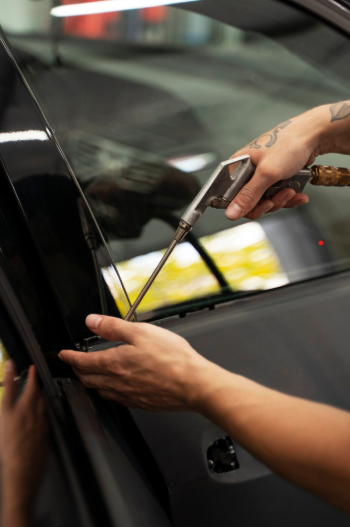
Safety film installation requires professional expertise. The film is thicker and harder to work with than decorative films, and proper installation is critical for safety performance.
Surface preparation is crucial. Glass must be perfectly clean. Any contamination prevents proper adhesion and compromises safety performance.
Professional installers use industrial-grade cleaning solutions and techniques. Multiple cleaning passes ensure no residue remains.
The film is applied wet like other window films but requires more skill to handle thick material without bubbles or wrinkles.
Squeegee technique matters more with thick safety film. Installers need experience working out water and air without stretching or damaging the film.
Edge attachment systems require additional installation steps. Mechanical fasteners, structural silicone, or attachment tapes get installed around the frame perimeter.
Curing time for safety film is longer than thin decorative films. Full adhesive strength develops over days or weeks. The film provides some protection immediately but reaches full performance after curing.
Testing installed film isn’t common for typical applications but critical facilities sometimes test installations to verify performance. Impact testing confirms the film will hold glass as expected.
Professional installation includes warranty on both materials and labor. Safety film warranties typically cover 10-15 years for materials and 1-5 years for installation.
DIY installation of safety film is not recommended. The stakes are too high – if the film doesn’t perform when needed, people get injured. Professional installation ensures proper performance.
Cost vs Benefit Analysis
Safety film costs more upfront than decorative or solar films because of thickness and installation complexity. But the benefits justify the cost.
Typical safety film installation costs $8-15 per square foot depending on film thickness and installation complexity. A large residential window might cost $200-400. Commercial applications vary widely based on scope.
Compare that to potential costs of glass injuries. Medical bills, liability claims, lost work time – a single serious injury from broken glass costs way more than filming all your windows.
Business interruption after glass accidents costs money too. Cleaning up broken glass, boarding windows, waiting for replacement glass – that’s lost revenue and operational disruption.
Earthquake damage mitigation saves money in the long term. Bay Area earthquakes are inevitable. Protecting your windows now prevents costly damage and dangerous situations later.
The peace of mind has value. Knowing your family, employees, or customers are protected from glass hazards is worth the investment.
Some people prioritize certain windows for cost savings. Film the most vulnerable or dangerous windows first – large picture windows, glass doors, windows near play areas, windows in earthquake-prone buildings.
Adding safety properties to other window film installations makes sense. If you’re already getting solar control or privacy film, upgrading to safety-rated film adds protection for minimal additional cost.
Finding Quality Safety Film Installers
Not every window film company handles safety film properly. Look for installers with specific safety film experience and training.
Ask about their experience with safety and security installations. How many have they done? What types of buildings? Can they provide references?
Certification from film manufacturers matters. 3M, Llumar, and other major brands certify installers in proper safety film installation techniques.
Check their commercial client list. Hospitals, schools, government buildings – these organizations do due diligence before selecting installers. Their trust is a good sign.
Ask about attachment systems. Do they offer edge attachment options? Have they installed wet-glazed or mechanically attached systems?
Insurance and licensing are non-negotiable for safety film installers. They’re working on life-safety applications. Proper insurance protects everyone.
Get detailed specifications in writing. Film brand and model, thickness in mils, attachment method if any, warranty terms. Know exactly what you’re getting.
Film quality matters enormously for safety applications. Stick with major brands – 3M, Llumar, Madico, Solar Gard. These companies have decades of testing and proven performance.
Beware of cheap film or bargain installations for safety applications. This isn’t decorative film where the worst case is it looks bad. This is life-safety equipment where failure means injuries.
Maintenance and Long-Term Performance
Safety film requires minimal maintenance but proper care ensures long-term performance.
Clean the film like regular windows with standard glass cleaner and soft cloths. Avoid abrasive cleaners or rough materials that could scratch the film surface.
Inspect the film periodically for edge peeling or bubbling. Minor edge peeling should be repaired to prevent moisture intrusion and adhesion loss.
The film should last 10-15 years or more with proper maintenance. Quality safety film doesn’t yellow, become brittle, or lose adhesive strength over time.
If the glass breaks and the film does its job holding everything together, the entire window assembly needs replacement. The film is sacrificial – it protects you once then gets replaced along with the broken glass.
After earthquakes or other incidents where windows crack but the film held, replace the damaged windows promptly. The film did its job but compromised glass should be replaced for continued protection.
Document your safety film installation. Keep records of what film was installed where, installation dates, warranty information. Useful for maintenance planning and insurance purposes.
Safety window film in San Jose protects people and property from the dangers of broken glass. Whether you need shatterproof window film for earthquake protection, safety and security film for accident prevention, or blast resistant window film for high-security applications, quality film professionally installed provides real protection.
My cousin’s dental office hasn’t had another earthquake yet, but they’re ready for it. Their patients and staff are safer, they’re compliant with safety standards, and they have peace of mind knowing broken glass won’t cause injuries.
If you’re concerned about earthquake safety, have large vulnerable windows, operate a business where people gather, or just want to protect your family from glass accidents, look into safety film. Talk to professional installers who specialize in safety applications, understand the different film thicknesses and attachment options, and invest in real protection.
Glass is everywhere in modern buildings and it’s inherently dangerous when it breaks. Safety film is one of the most cost-effective ways to mitigate that danger and protect people from one of the most common causes of injury in accidents and disasters.
Related Post