Getting your windows tinted is a smart investment. Whether it is a fresh install on your car, your home, or your business, quality window film delivers real benefits: cooler interiors, lower energy bills, UV protection, and added privacy. But like any investment, how you take care of it in the days and weeks after installation makes a big difference in how long it lasts and how good it looks. A lot of people do not realize that window tint needs a short curing period before it is fully set, and doing the wrong thing too early can cause problems that are hard to fix.
Thank you for reading this post, don't forget to subscribe!This guide covers everything you need to know about window tint aftercare. From the first 24 hours after installation all the way through long-term cleaning and maintenance, here is exactly what to do and what to avoid so your tint stays clean, clear, and bonded properly for years to come.
What Happens Right After Window Tint Installation
When professional window tinting is applied to glass, the film is held in place by a pressure-sensitive adhesive. That adhesive needs time to fully bond to the surface. The process is called curing, and it takes anywhere from a few days to a few weeks depending on the type of film, the thickness of the adhesive, and the weather conditions.
During the curing period, it is completely normal to see small water pockets or a slight hazy appearance through the film. This is not a defect. It is simply trapped moisture working its way out from between the film and the glass as the adhesive sets. In warm, sunny weather like San Jose typically offers, this process happens faster. In cooler or overcast conditions, it can take a little longer. Most quality films installed by a San Jose tint shop cure fully within two to four weeks.
The biggest mistake people make during this window is rolling down their car windows too soon after automotive window tinting. The edges of the film on a car door window are the most vulnerable spot during the curing period. Rolling the window down before the film has fully bonded can peel the edges, scratch the film against the door seal, or cause lifting at the corners. A good rule of thumb is to wait at least three to five days before rolling down freshly tinted windows, and longer if the weather has been cold or cloudy.
For residential window tinting and commercial window tinting, the same patience applies. Avoid cleaning the glass or touching the film for at least three days after installation. Let the adhesive do its job without interference.
What You Should Do to Protect Your Tint
Good aftercare does not require much effort. Most of it comes down to giving the film time to cure and then cleaning it the right way going forward. Here is what actually helps.
Leave the film alone for the first few days. This applies to all window film whether it is on a car, a home window, or a commercial storefront. Do not wipe it, press on the bubbles, or try to smooth out the hazy spots. Those water pockets will disappear on their own. Pressing on them can push the adhesive out of place and cause permanent marks or uneven bonding.
After the curing period is complete, clean the tinted surface with a soft microfiber cloth and a mild, ammonia-free cleaner. This is one of the most important long-term care steps for any window film. Ammonia is found in many common glass cleaners and it breaks down the adhesive in window film over time. Using an ammonia-based cleaner repeatedly will cause the film to become cloudy, start peeling at the edges, or lose its bond to the glass. Always check the label before you spray anything on a tinted window.
Here is a simple list of things that protect your tint and help it last:
- Use a soft microfiber cloth instead of paper towels, which can scratch the film surface
- Choose an ammonia-free cleaner made for tinted windows or a mild soap-and-water solution
- Wipe gently in straight strokes rather than circular motions to avoid scratching
- Keep sharp objects, rings, and belt buckles away from tinted car windows
- Park in shade when possible to reduce long-term UV and heat exposure on the film itself
- For home and commercial film, avoid hanging things directly on the glass with suction cups or tape that can pull at the edges
Following these steps consistently adds years to the life of your window film. Premium window tint products are designed to last a long time, but they perform best when they are treated right from the beginning.
What You Should Never Do After Window Tinting
Just as important as knowing what to do is knowing what to avoid. Some common habits that seem harmless can actually damage window film faster than most people realize.
Never use ammonia-based glass cleaners on tinted windows. Products like standard Windex contain ammonia and will degrade the adhesive layer of your window film over time. The damage builds up slowly and may not be obvious right away, but eventually you will start to see cloudiness, bubbling, or peeling that could have been prevented. This applies to tinting services for cars and homes equally. Switch to an ammonia-free alternative and stick with it.
Do not scrape tinted windows with metal tools, razor blades, or abrasive pads. This seems obvious, but it comes up often when people try to remove stickers or bird droppings without thinking about the film underneath. Even a soft scrape with a fingernail can leave marks on the film surface. For anything stuck to the glass, use a plastic card at a very shallow angle and an ammonia-free solvent to loosen it first.
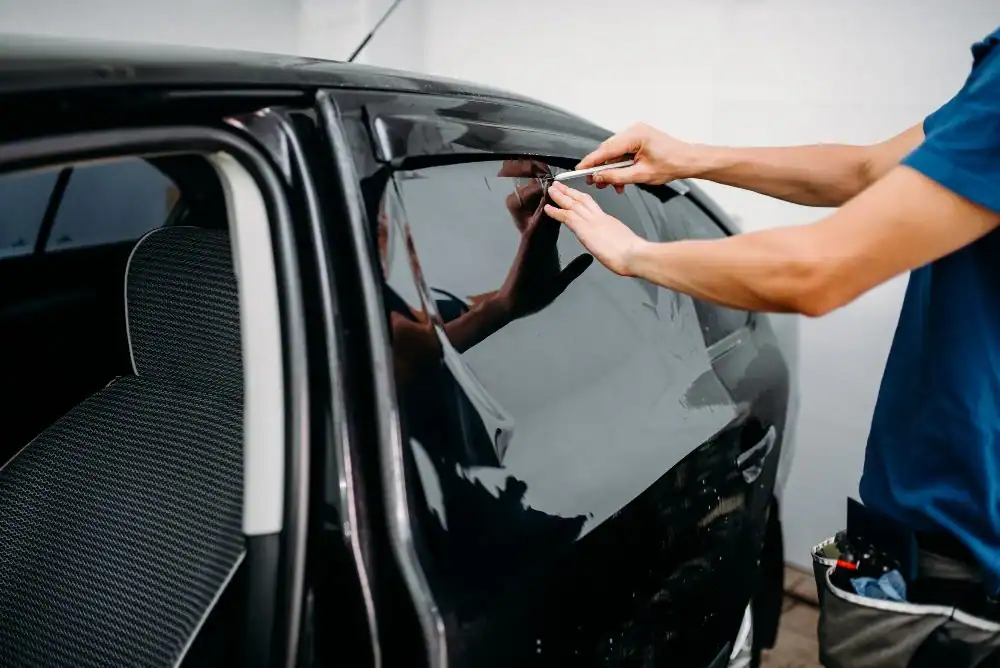
Avoid pressure washing tinted car windows directly. The high-pressure stream can get under the edges of the film, especially if there is any slight lifting already present. When washing your car, use a normal hose or a touchless wash rather than directing high pressure right at the edges of the tint.
For home and commercial window film, be careful with blinds and window treatments that rest directly against the glass. Constant friction from a blind cord or fabric shade rubbing against the film can cause micro-scratches over time. Installing a small gap between window coverings and the glass surface helps prevent this.
Here are the key things to avoid after any professional window tint installation:
- Rolling down car windows within the first three to five days after installation
- Cleaning the film within the first 72 hours while it is still curing
- Using ammonia-based cleaners at any point after installation
- Scraping the film with metal tools or abrasive materials
- Applying stickers, decals, or tape directly to the tinted surface
- Directing high-pressure water at the edges of tinted car windows
How Long Should Quality Window Tint Last and When to Replace It
With proper aftercare, a quality window film should last a long time. Premium ceramic or carbon films used by top window tint specialists in San Jose regularly last ten years or more before showing any signs of wear. Basic dyed films have a shorter lifespan, typically five to seven years, and are more prone to fading and turning purple as the dye breaks down from UV exposure.
The California sun is hard on everything, and window film is no exception. Heat reduction window tint and UV protection window tint that are installed on south and west-facing windows take on more solar exposure than shaded or north-facing glass. Even so, a quality film that is cleaned correctly and not abused will hold up well for many years in the San Jose climate.
Signs that your film is reaching the end of its life include bubbling that does not go away, a purple or brown color shift on what used to be a neutral grey or charcoal film, visible peeling at the edges, and a hazy or streaky look that does not clean off. When you start seeing these signs, it is time to have the film professionally removed and replaced. Trying to peel off old film yourself, especially on rear windows with defroster lines, can damage the glass and leave behind a mess of adhesive residue.
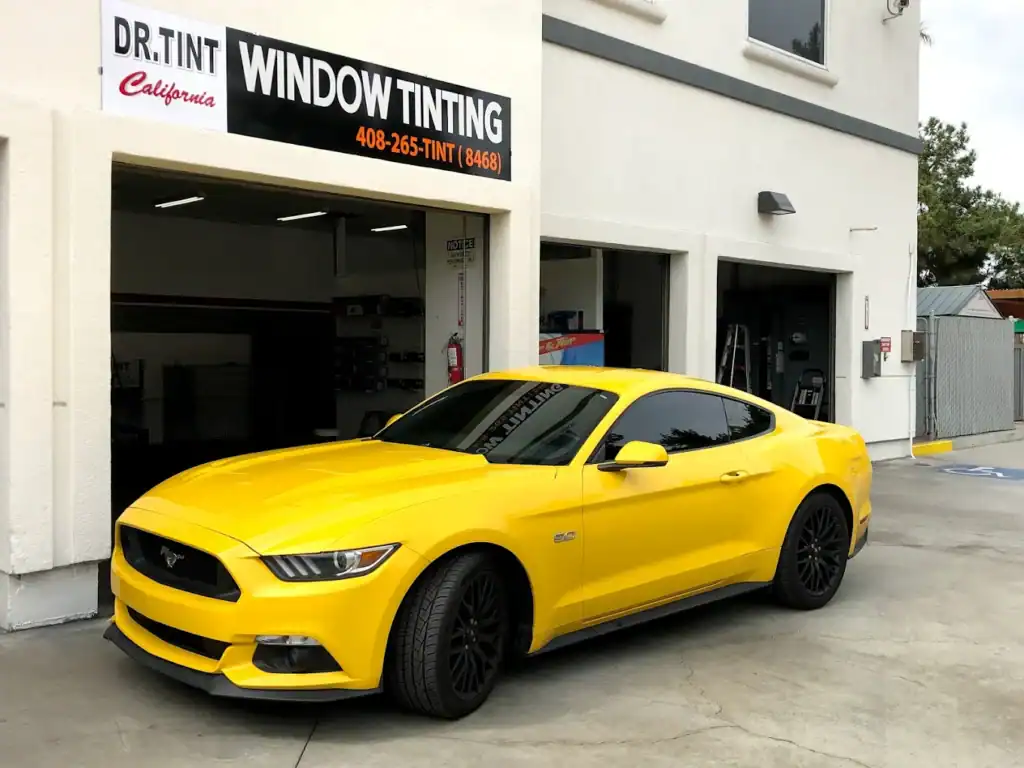
Dr. Tint California Window Tinting handles both new installations and replacement jobs for car owners, homeowners, and businesses across San Jose. As the best window tinting in San Jose, the team uses commercial-grade films from trusted manufacturers and takes the time to prep the glass correctly so every install bonds properly and lasts. Whether you need affordable car window tinting in San Jose, professional residential window tint installation, or energy efficient commercial window tinting for your business, the process starts with a clean glass surface and ends with film that performs the way it should.
Taking care of your tint does not take a lot of time or effort. It just takes knowing the right steps. Avoid ammonia, stay gentle with your cleaning, give fresh film time to cure, and you will get every bit of value out of your window film investment. When you are ready for a new install or a replacement, the top rated window tint San Jose team at Dr. Tint is ready to help.
Related Post