
Glare is one of those everyday annoyances that people just learn to live with. Squinting while driving into the afternoon sun, struggling to see a laptop screen near a sunny window, or dealing with harsh reflections on a TV in the living room. Most people never connect these daily irritations to a simple fix sitting right in front of them. Window tint does a lot more than block heat and protect against UV rays. It plays a real role in how comfortable your eyes feel throughout the day, whether you are behind the wheel, working at a desk, or relaxing at home.
Thank you for reading this post, don't forget to subscribe!This guide looks at the connection between window film and eye comfort, why glare causes more strain than people realize, and how the right window tinting solution can make a noticeable difference in your daily life, whether in your car, your home, or your workplace.
Why Glare Is Harder on Your Eyes Than You Think
Glare happens when bright light, especially direct or reflected sunlight, overwhelms your eyes faster than they can adjust. Your pupils are constantly working to regulate how much light enters your eyes, but sudden or intense glare forces them to react quickly and repeatedly. Over the course of a day, especially during a long commute or a full workday near a sunny window, this constant adjustment adds up to real eye fatigue.
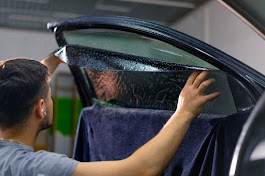
Driving is one of the most common situations where glare becomes a genuine safety concern. Morning and evening commutes often line up directly with sunrise and sunset, putting the sun right at windshield level for long stretches of the drive. Without any glare control, drivers squint, shield their eyes with a hand, or rely entirely on a small visor that does not block much. This is not just uncomfortable. It measurably reduces visibility and reaction time, which matters a great deal on busy San Jose roads like 101, 280, or 87 during peak glare hours.
Indoor glare causes a different but related problem. Sunlight pouring through an unprotected window can wash out a computer screen, making text and images hard to read. People often respond by tilting their screens, closing blinds completely and losing natural light, or simply pushing through the discomfort. Over a full workday, this repeated strain contributes to headaches, dry eyes, and general fatigue that has nothing to do with how much sleep someone got the night before.
The eye strain caused by glare is well documented. The American Optometric Association has linked prolonged exposure to bright, uncontrolled light with symptoms commonly grouped under digital eye strain, including headaches, blurred vision, and difficulty focusing. While screens themselves are a factor, glare from sunlight is a major contributor that often gets overlooked. Glare reduction window film addresses the root cause directly by managing how much light and reflection reaches your eyes in the first place.
Here is what untreated glare commonly causes over time:
- Squinting and eye muscle fatigue during long drives or workdays
- Headaches that develop gradually throughout the day near sunny windows
- Reduced visibility and slower reaction times while driving into direct sun
- Difficulty reading screens, leading to poor posture as people lean in or tilt devices
- General irritability and fatigue that builds from constant light adjustment
How Window Tint Reduces Glare Without Making Spaces Feel Dark
The good news is that fixing glare does not mean giving up natural light entirely. Modern window film options are specifically engineered to cut harsh glare while still allowing a comfortable amount of visible light through. This is very different from simply closing blinds or curtains, which blocks glare completely but also blocks the view and the natural brightness people actually want.
Window tint reduces glare by controlling the intensity of light that passes through the glass rather than eliminating light altogether. A quality film reduces the harshest, most uncomfortable wavelengths while still letting enough usable light through for clear vision and a bright, comfortable space. This is why a properly tinted car windshield still allows safe daytime driving while dramatically reducing the discomfort of direct sun glare. The same principle applies to home and office windows.
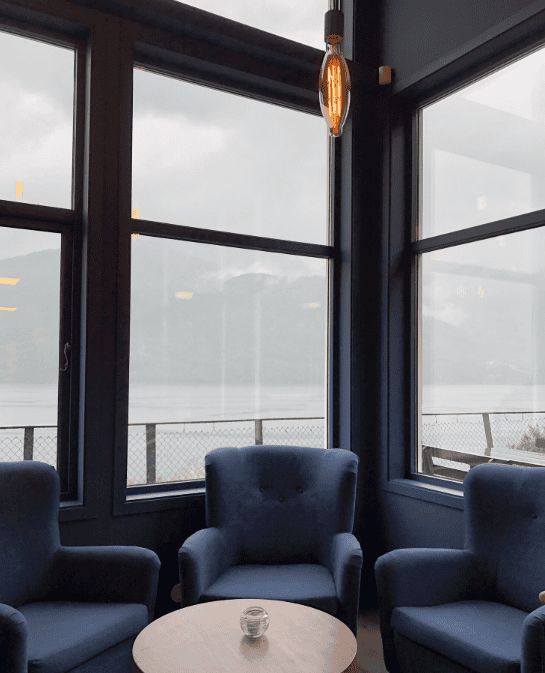
For vehicles, automotive window tinting on the windshield, front windows, and side windows works together to manage glare from multiple angles. Direct sun through the windshield, low-angle glare from the side during turns, and reflected glare off wet roads or other vehicles are all reduced with the right film in place. California tint law allows windshield strips and requires front side windows to maintain at least 70 percent visible light transmission, and quality glare reduction window film can be selected to meet these requirements while still delivering a real reduction in eye strain during daily driving.
For homes, solar control film and ceramic film both perform well for glare reduction while preserving natural light. These films are particularly useful in rooms with large windows, sliding glass doors, or skylights where direct sun creates harsh contrast and bright spots throughout the day. A living room with a television facing a window is a perfect example. Glare on the screen makes it nearly impossible to watch comfortably during certain hours, and a quality residential window tint solves this permanently without requiring blackout curtains or constantly closed blinds.
Office and commercial spaces benefit just as much. Open floor plans with large glass walls or windows are popular for the natural light they provide, but that same light often creates glare on computer monitors and uncomfortable hot spots for employees seated near the glass. Professional heat and glare reduction tint allows businesses to keep the open, bright aesthetic they want while making the space genuinely comfortable to work in throughout the day.
Here is how window film delivers glare reduction across different settings:
- Reduces harsh direct sunlight without eliminating natural brightness
- Cuts reflected glare off roads, water, snow, and other bright surfaces
- Improves screen visibility for computers, tablets, and televisions near windows
- Maintains a clear, comfortable view through glass rather than blocking it entirely
- Works alongside heat and UV protection for a complete sun control solution
Choosing the Right Film for Eye Comfort in Your Car, Home, or Office
Not every film delivers the same level of glare reduction, and choosing the right product depends on where it is being installed and what level of light reduction feels comfortable for your specific situation. A few factors are worth understanding before making a decision.
Visible light transmission, often shortened to VLT, is the most important number to look at. This percentage tells you how much light passes through the film. A lower VLT means more light is blocked, which generally means stronger glare reduction but also a darker appearance. For cars, California law requires front side windows to maintain at least 70 percent VLT, so glare reduction on those windows comes from the quality of the film rather than extreme darkness. Rear windows have no VLT restriction, giving more flexibility for stronger glare control where it matters most for comfort.
Ceramic window film tends to deliver the best overall glare reduction relative to its VLT level. Because ceramic film blocks infrared and UV radiation so effectively without relying purely on darkness, it can reduce the harshness of glare while keeping more usable light in the space compared to a basic dyed film at the same VLT. For someone who wants strong glare control without a heavily darkened look, premium window tint using ceramic technology is usually the better investment.
For home and office windows, solar control films in lighter shades work well for spaces where maintaining brightness is a priority alongside glare reduction. Spectrally selective films, which are nearly clear, offer a more subtle approach for people who want glare and heat control with almost no visible tinting effect at all. These are popular in commercial settings and modern homes where the appearance of the glass matters as much as the performance.
It also helps to think about which specific windows cause the most discomfort. A west-facing home office that gets blasted by afternoon sun benefits from a stronger film on that particular window, even if the rest of the home uses a lighter touch. A car that spends most of its time facing east in the morning commute and west in the evening commute benefits from glare reduction on the windshield and front windows specifically. A tailored approach, rather than applying the same film everywhere, usually delivers the most comfortable result.
Here is what to consider when choosing film for glare and eye comfort:
- Check the VLT percentage and how it fits your comfort goals and any legal requirements
- Consider ceramic film for the strongest glare reduction without excessive darkness
- Identify which specific windows cause the most discomfort and prioritize those first
- Think about whether a near-clear spectrally selective film might meet your needs without changing the look of the glass
- Talk to an experienced installer about your daily routine, including commute direction and the orientation of rooms that bother you most
Dr. Tint California Window Tinting helps customers throughout San Jose find the right balance between glare reduction, light, and appearance for their specific situation. As the best window tinting in San Jose, the team has worked with countless drivers dealing with sun glare on their daily commutes and homeowners trying to make a bright room more livable without losing the natural light they love. Whether you need San Jose automotive window tint for a daily driver, professional residential window tint installation for a sunny living room, or energy-saving window tint solutions for a commercial office, the right film makes a real difference in how comfortable your eyes feel every single day.
Eye comfort is not something most people think about until it becomes a daily annoyance, but the fix is simpler than most realize. The right window film cuts glare at the source, protects your eyes during long drives or workdays, and does it all while keeping your space bright and your view clear. If glare has been part of your daily routine for too long, a conversation with a professional tint installer is a good place to start.
Related Post