Most people think about tint installation from the finished side. They picture the clean, dark windows on a car that just left a tint shop, or the way a home window looks after a quality film installation. What they do not always think about is everything that needs to happen before the first piece of film is even touched. The steps taken before installation are just as important as the installation itself, and skipping or rushing through them is one of the most common reasons a tint job fails early, looks poor, or does not perform the way it should.
Thank you for reading this post, don't forget to subscribe!This applies equally to automotive window tinting, residential window tinting, and commercial window tinting. The principles are the same whether a technician is prepping a car door window or a large glass panel on an office building. Good preparation is what allows premium window tint to bond properly, look clean from day one, and last for years. This guide walks through every important step that should happen before installation begins, from the decisions you make before booking to what happens in the shop or at your home in the hours before film goes on the glass.
Making the Right Decisions Before You Book
The preparation for a great tint job actually starts before the appointment. The choices you make in the weeks or days before installation day have a direct effect on how well the job goes and how satisfied you will be with the result. Treating these pre-booking decisions as part of the process rather than just administrative steps makes a real difference.
Choosing the right installer is the most important decision you will make. Not all window tinting services in San Jose operate at the same level. The difference between a top rated window tint San Jose shop and a budget option that cuts corners shows up clearly over the life of the film. Ask about the film brands they carry, the warranties they offer, and whether they can explain the performance differences between their product options.
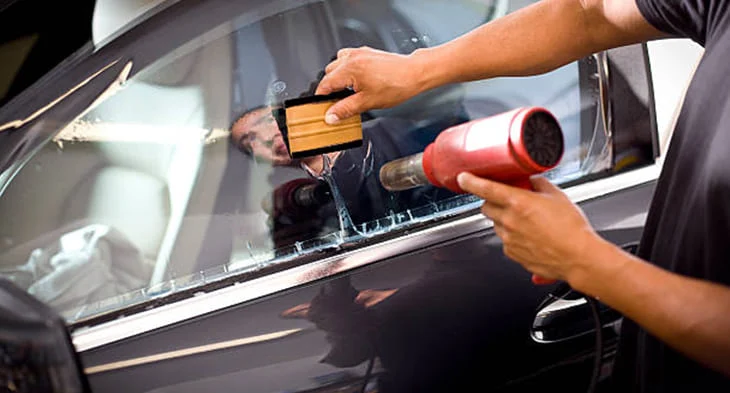
A knowledgeable installer will talk to you about heat rejection ratings, UV blocking percentages, and how California tinting laws affect what can go on your front windows. An installer who just asks how dark you want it and gives you a price is not giving you the information you need to make a good decision.
Choosing the right film for your specific situation matters just as much. A film that works beautifully on a residential south-facing window might not be the right call for a car that sits in direct sun all day in a San Jose parking lot. An automotive application on a daily driver with a long commute has different needs than a luxury vehicle driven occasionally on weekends.
For homes, the direction windows face, the type of rooms they serve, and whether privacy or heat rejection is the primary goal all affect which film type is the best fit. The best window tinting in San Jose comes from matching the right product to the right application, not from applying the same film to everything.
Understanding California tinting laws before you book prevents costly mistakes. For vehicles, front side windows must maintain at least 70 percent visible light transmission. Windshields can only have a non-reflective strip on the top four inches. Rear windows and back glass have no legal darkness restriction as long as the vehicle has dual mirrors. Knowing these rules before you choose a film means you will not end up with a tint job that requires you to remove film from your front windows after the fact.
Here is what to sort out before you schedule your appointment:
- Research and select a reputable San Jose tint shop with documented experience and quality products
- Decide on the primary goal of your tint job whether heat rejection, UV protection, privacy, or appearance
- Understand California tinting laws for your vehicle type and confirm your film choices stay within legal limits
- Ask about film warranties and installation warranties before committing to any product
- Confirm the installer can provide documentation for your vehicle installation as required by California law
What Needs to Happen to the Glass Before Film Goes On
Once you have made your decisions and booked with a professional installer, the preparation shifts to the physical side. This is where the work that most customers never see takes place, and it is the phase that experienced auto and residential window tint experts know matters more than almost anything else in determining the quality of the final result.
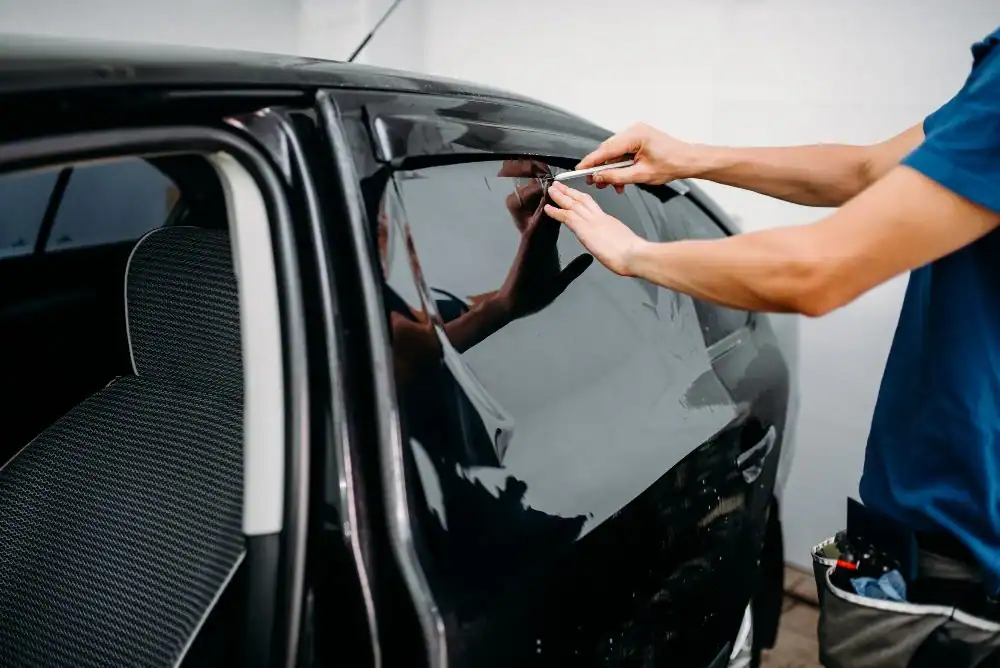
Glass cleanliness is the foundation of every good tint installation. Any contamination on the glass surface when the film is applied will be permanently trapped under the film. Dust shows up as tiny bumps scattered across the surface. Grease or fingerprints create areas where the adhesive does not bond properly. Old adhesive residue from stickers or previous film creates uneven spots that cause bubbling and lifting.
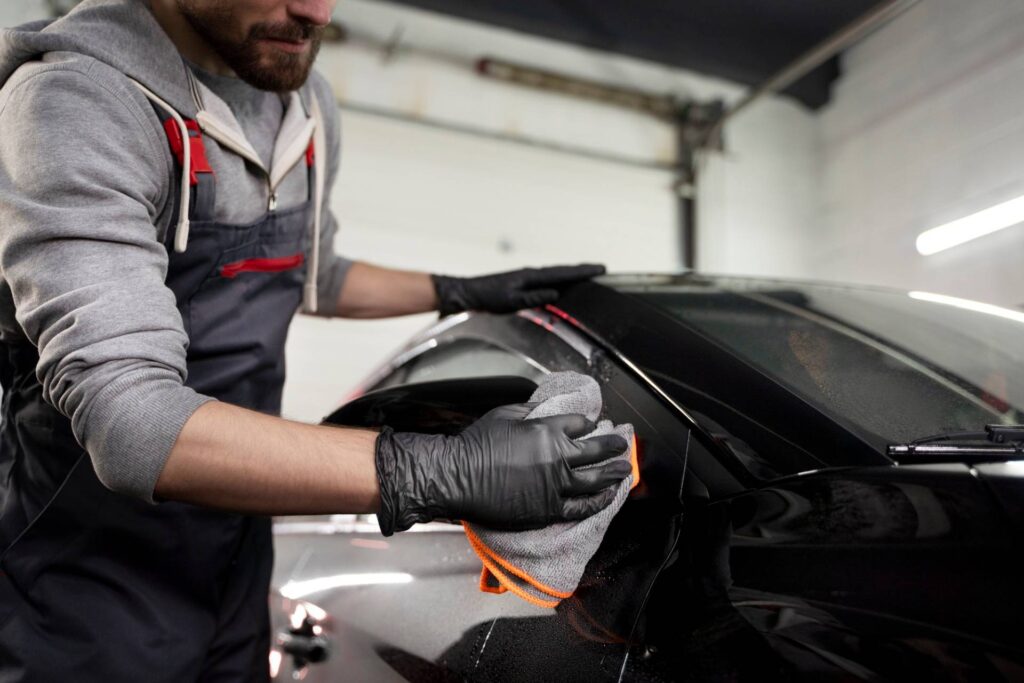
A professional tint installer cleans the glass thoroughly with ammonia-free solutions and lint-free materials before touching any film. For automotive applications, this includes cleaning the interior glass surface where the film will be applied, which is often grimier than it looks because of interior dust, outgassing from plastics, and residue from cleaning products used on other interior surfaces.
For vehicles with existing tint, the old film needs to be completely removed and every trace of adhesive residue eliminated before new film goes on. Attempting to install new film over old film is a mistake that some budget operations make to save time. The new film will not bond evenly over old adhesive, and the result shows immediately as bubbles, cloudiness, and poor adhesion. A proper removal and prep job is non-negotiable before any new protective window film installation.
The edges and seals around the glass require specific attention. For car windows, the rubber seals that frame each window collect dust and debris that can fall onto fresh film during or after installation. A quality installer cleans these seals thoroughly before beginning. For home and commercial windows, the frame and any caulking around the glass gets cleaned as well because debris from these areas can migrate onto the film surface before the adhesive has fully cured.
Temperature and environment matter more than most people realize. Window film should not be installed in extremely cold conditions because the adhesive becomes less pliable and takes much longer to bond. Dusty environments are problematic because airborne particles settle on the film or glass during installation. Direct strong sunlight during installation can cause the slip solution to evaporate too quickly, which reduces the installer’s ability to position the film correctly. Professional window tinting services control the installation environment to the extent possible, which is another reason that a reputable shop with a clean, climate-appropriate workspace delivers better results than a driveway installation on a windy day.
Here is what good pre-installation prep covers on every job:
- Complete removal of any existing film and all adhesive residue from the glass surface
- Thorough cleaning of the glass with ammonia-free solution and lint-free materials
- Cleaning of rubber seals, frames, and surrounding surfaces that could contaminate the installation
- Assessment of the glass for any chips, cracks, or damage that should be addressed before film goes on
- Temperature and environment check to confirm conditions are appropriate for installation
- Final inspection of the clean glass surface in good lighting before any film is applied
What You as the Customer Should Do Before Installation Day
The installer handles the technical preparation, but there are practical steps on your side that help the job go smoothly and protect your investment from the start.
For automotive window tinting, bring your vehicle in clean. A car that is loaded with clutter, has dirty interior surfaces, or has significant debris in the door panels and window tracks creates more work for the installer and more risk of contamination during the job. Roll down all windows before arriving so the installer can assess the full surface of each window without issues. Let the installer know about any existing damage to the glass, any previous tint that was removed, or any electronic features integrated into the windows like built-in sunshades or complex defroster systems.
For residential window tinting, clear the area around each window that will be tinted. Furniture, curtains, and window treatments that are pushed against the glass make it harder for the installer to access and clean the surface properly. Move items away from the window and give the installer clear access to work. If there are any existing films, decals, or adhesive residue on the glass from previous products, let the installer know so they can factor in removal time.
For commercial window tinting, coordinate the installation timing so the work can happen without constant foot traffic near the windows being treated. Dust and debris stirred up by people moving through the space can settle on the glass or fresh film during installation. A clean, low-traffic installation environment helps the job go faster and cleaner.
Dr. Tint California Window Tinting approaches every installation with this level of preparation built into the process. Whether it is custom automotive window tinting services for a single vehicle or professional residential window tint installation across an entire home, the prep work gets the same attention as the installation itself. As the best window tinting in San Jose, the team understands that a great result starts long before the film comes off the roll.
Good preparation is what separates a tint job that looks great and lasts for years from one that starts showing problems within months. The decisions you make before booking, the work that happens to the glass before film goes on, and the steps you take as a customer before installation day all contribute to the final result. When all of these pieces come together with a skilled installer and quality film, the outcome speaks for itself.
Related Post