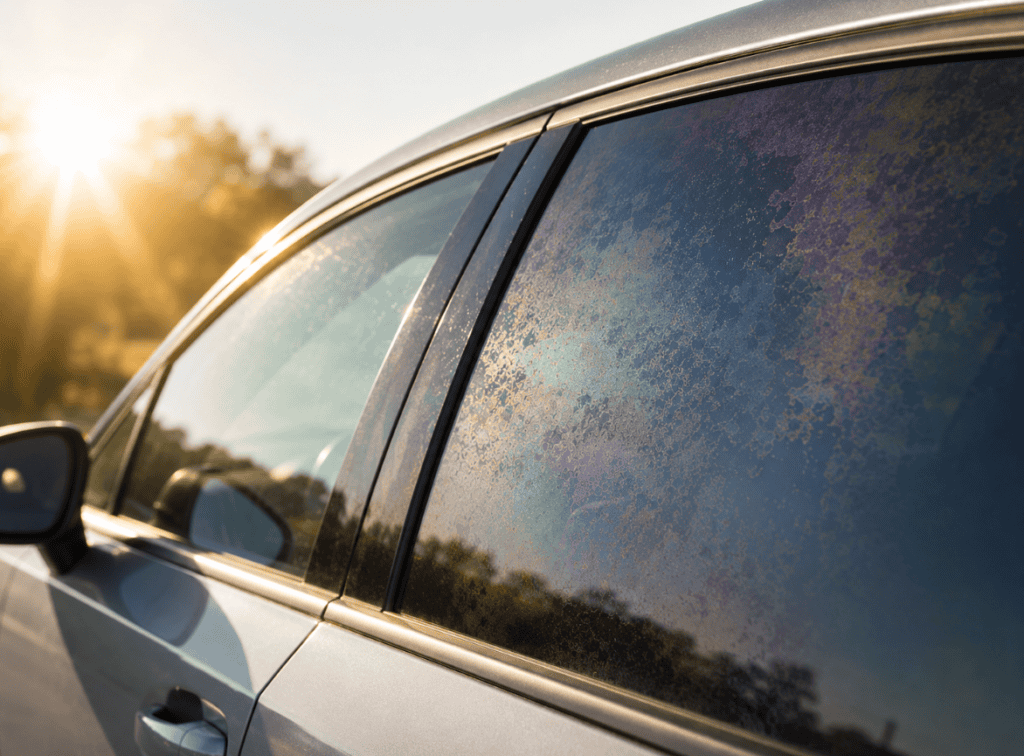
My parents lived for years with their west-facing living room being completely unusable from about 2pm until sunset. The afternoon sun turned it into an oven, created terrible glare on the TV, and was fading their furniture and carpet in weird striped patterns where the sunlight hit. They kept the curtains closed most of the time which made the room feel like a cave, but opening them meant dealing with unbearable heat and glare.
Thank you for reading this post, don't forget to subscribe!Finally they got home window film in San Jose installed on those problem windows. Custom ceramic film that blocks heat and UV without making the room dark. Now they actually use their living room in the afternoons, the AC keeps up without running constantly, and they can see their backyard through the windows. My mom said she regrets waiting so long to fix a problem that had a simple solution.
That’s what home window film does – it solves real everyday problems while improving how your house looks and feels.
Types of Residential Window Film
Residential window film comes in different types for different needs. Understanding your options helps you choose what works for your situation.
Heat reduction film blocks solar energy before it gets through your glass. Keeps rooms cooler, reduces AC costs, makes your house more comfortable. Comes in different darkness levels and technologies – ceramic, metallic, dyed.
UV blocking film protects furniture, flooring, and artwork from sun damage without necessarily darkening your windows. Some UV films are nearly clear but block 99% of harmful rays that fade and damage stuff.
Privacy film gives you privacy without curtains or blinds. Frosted film, one-way mirror film, decorative patterns – lots of options depending on whether you want 24/7 privacy or just daytime privacy.
Glare reduction film cuts the harsh light that makes screens invisible and rooms uncomfortable. Especially important for home offices or rooms with TVs facing windows.
Security film holds glass together when it breaks. Won’t prevent breakage but prevents dangerous shards from flying everywhere. Good for earthquake preparedness, accident prevention, and deterring break-ins.
Decorative film adds visual interest while providing function. Patterns, colors, textures, custom designs. Makes windows look intentional and designed rather than just functional.
Energy saving film combines heat reduction with insulation properties. Keeps heat out in summer, keeps heat in during winter. Improves your windows’ efficiency year-round.
Anti-graffiti film for homes is rare but makes sense if you have street-facing windows in areas with tagging problems. Protects glass from permanent damage.
Most people need multiple types across different windows. Heat blocking on west-facing windows, privacy film in bathrooms, maybe decorative film on front door glass.
Residential Heat Reduction Film
Residential heat reduction film addresses one of the biggest comfort and cost issues in San Jose homes – solar heat gain through windows.
West-facing windows are the worst. Afternoon sun pounds through them for hours, turning rooms into saunas. Your AC can’t keep up no matter how cold you set the thermostat.
My house has a west-facing family room with big windows. Before heat-reducing film, that room was 10 degrees hotter than the rest of the house every afternoon. After ceramic film installation, it’s the same temperature as everywhere else.
South-facing windows get sun all day long. Constant heat load from morning till evening. Film on south windows dramatically reduces how hard your HVAC system works.
East-facing windows cause morning heat but it’s less intense than afternoon western sun. Still worth filming if you have bedrooms or home offices facing east.
Ceramic film is the best technology for heat reduction. It blocks infrared heat without necessarily being dark. You can have relatively clear film that still blocks 60-70% of heat.
Metallic films block heat well but can interfere with cell phone signals and WiFi. Less common for homes now because of connectivity concerns.
Dyed films block some heat by blocking light, but they’re not as effective as ceramic. They darken rooms more for the same heat reduction.
Dual-reflective films block heat while maintaining views from inside. They look reflective from outside during the day but you can see out clearly from inside.
The energy savings are real and measurable. Lower AC bills, less strain on your HVAC system, more comfortable living spaces. Film pays for itself over time through reduced cooling costs.
A neighbor tracked his electric bills before and after installing heat-reducing film on his west and south windows. Saved about $120 per month in summer. The film paid for itself in under two years.
Privacy Window Film for Homes
Privacy window film solves privacy problems without blocking light or views completely.
Bathrooms are the most common privacy application. Nobody wants neighbors or pedestrians seeing into bathroom windows. Frosted film provides total privacy while letting natural light in.
My sister’s bathroom window faced the neighbor’s driveway. Before frosted film, she kept blinds closed constantly. After installation, natural light floods in but there’s complete privacy from both sides.
Bedroom windows facing streets or neighboring properties benefit from privacy film. Ground-floor bedrooms especially need solutions that don’t require living behind closed curtains.
First-floor privacy is a common issue in denser neighborhoods. When houses are 10 feet apart, everyone can see into everyone else’s windows. Privacy film lets you actually use your rooms without feeling on display.
One-way mirror film provides daytime privacy. During the day when it’s brighter outside than inside, people outside see reflection while you see out clearly. At night it reverses, so you need curtains for nighttime privacy.
A house near downtown has one-way film on street-facing windows. During the day, pedestrians see reflections of the street while the residents see outside perfectly. They pull light shades at night.
Decorative frosted patterns provide privacy with visual interest. Instead of plain frosting, get geometric patterns, nature designs, custom graphics. Privacy that looks designed and intentional.
Gradient privacy film goes from opaque at eye level to clear above. Provides privacy from people outside while maintaining views of sky and trees.
Strategic privacy film placement means filming only the windows that need it. You don’t have to film every window – just address the problem areas.
Removable privacy film works great for renters. Provides the privacy you need without permanent changes to the property. Remove it when you move without damaging anything.
Decorative Window Film Options
Decorative window film transforms plain glass into design elements while often providing practical benefits.
Frosted patterns range from simple to intricate. Stripes, geometrics, florals, abstract designs. Add visual interest to bathrooms, kitchens, entryways, or anywhere you want elevation beyond plain glass.
I’ve seen gorgeous geometric patterns on front door sidelights that look like expensive etched glass. Cost fraction of actual etched glass and can be changed if tastes change.
Stained glass effects use colored films to create the look of traditional stained glass. Popular for entryways, bathrooms, and homes with Victorian or craftsman architecture.
Textured films mimic various glass textures – rain glass, hammered glass, rice paper, linen. Creates dimension and interest while diffusing light beautifully.
A mid-century modern home used rain glass texture film on bathroom windows. Matches the home’s era and provides privacy while letting in tons of diffused natural light.
Gradient films transition colors or densities. Maybe dark at bottom fading to clear at top, or warm colors transitioning to cool colors. Creates artistic effect while serving functional purposes.
Custom printed films allow any design you can imagine. Family crests, favorite quotes, nature photography, abstract art. Turn windows into personalized statements.
Seasonal decorative films work for people who like changing things up. Holiday themes, seasonal colors, temporary designs. Easy to apply and remove for short-term decoration.
Color tinting adds hue without patterns. Subtle bronze, blue, or green tints create mood and ambiance while reducing glare and heat.
Border patterns frame windows with decorative elements while leaving centers clear. Victorian homes especially benefit from period-appropriate decorative borders.
Combining multiple decorative elements creates unique custom looks. Different patterns on different windows, or layering effects for complex designs.
Energy Efficient Window Film
Energy efficient window film improves your home’s energy performance, reducing heating and cooling costs year-round.
Low-E films work like low-E glass, reflecting heat back toward its source. In summer, reflects heat outside. In winter, reflects heat back inside. Improves efficiency in both seasons.
Heat-rejecting films focus on keeping solar heat out during our long hot seasons. Blocks infrared and UV while letting visible light through. Reduces AC load significantly.
Insulating films add a layer of insulation to windows. Won’t make single-pane windows as good as double-pane, but improves their performance noticeably.
A house in Willow Glen with original single-pane windows can’t afford full window replacement. Energy film on those old windows improved efficiency enough to reduce energy bills by 20%.
UV blocking is part of most energy films. Blocking UV prevents heat gain and protects your belongings, but doesn’t necessarily darken windows.
Reflective films are very effective for energy savings but change exterior appearance. Your windows look mirror-like from outside. Some people love it, others think it’s too commercial-looking.
Dual-pane window film exists but most homes in San Jose don’t need it. Our climate is mostly about cooling, not heating, so summer heat reduction matters more than winter insulation.
PG&E sometimes offers rebates for energy-efficient home improvements including window film. Check for current programs before installation – might get money back.
The environmental benefit matters if you care about reducing energy consumption. Less AC means lower carbon footprint. Some people value this alongside the cost savings.
Measuring energy savings requires comparing utility bills before and after installation. Most people see 15-30% reduction in summer cooling costs depending on sun exposure and existing window efficiency.
UV Protection Film for Furniture
UV protection film prevents sun damage to furniture, flooring, artwork, and belongings without necessarily changing how your windows look.
UV rays destroy everything – furniture fades, wood floors bleach out, carpets get weird light and dark patches, artwork deteriorates, photos yellow. All from sun exposure through windows.
My parents’ couch had one section facing the window that faded to this weird orange color while the rest stayed burgundy. Looked ridiculous. UV film on the windows would’ve prevented it.
Clear UV-blocking film is nearly invisible. You get 99% UV protection without noticeable darkening or tint. Maintains your natural light and views while protecting your stuff.
The protection is total and permanent as long as the film is on. Your belongings won’t fade or degrade from sun exposure through filmed windows.
Hardwood floors especially benefit. UV damage to wood floors shows as uneven bleaching – light patches where sun hits, darker original color where furniture protected it. Film prevents this.
A house in Almaden Valley with beautiful dark hardwood floors throughout installed clear UV film on all south and west windows. Five years later, floors still look uniform and rich instead of patchy.
Artwork and photographs need UV protection if they’re displayed near windows. UV film protects your art collection without requiring you to hide it away from natural light.
Oriental rugs, tapestries, quilts – any textile near windows benefits from UV protection. These items are often valuable or sentimental. UV film preserves them.
Even everyday items last longer with UV protection. Curtains don’t fade as fast, upholstery holds color better, wooden furniture maintains its finish.
The cost of replacing faded furniture, refinishing floors, or restoring damaged art is way more than UV film installation. Film is preventive insurance for your belongings.
Some people combine UV film with heat-reducing or privacy films. Get multiple benefits from one installation – UV protection plus heat control or privacy.
Safety and Security Film for Homes
Safety and security film protects people and property from glass-related hazards.
Earthquake safety is relevant in California. Windows crack and shatter during earthquakes. Safety film holds broken glass together preventing dangerous shards from flying around.
My cousin installed safety film after the last earthquake cracked several of their windows. Next quake, windows might crack again but glass won’t scatter everywhere endangering the family.
Accident prevention matters especially for homes with kids. Kids run into glass doors, throw toys, play sports near windows. Safety film means broken glass stays together even when accidents happen.
A family in Naglee Park had their kid run through a glass door. The glass broke but the safety film held it together. Scary moment but no cuts or serious injury because the glass didn’t shatter.
Security film deters break-ins by making windows harder to get through. Burglars smash windows expecting instant access. Security film holds glass together forcing them to keep hitting it while making noise. Most give up.
Ground-floor windows are vulnerable. Security film on accessible windows adds a layer of protection. Not bulletproof but way better than unprotected glass.
Storm protection from flying debris. San Jose doesn’t get severe storms often but when windstorms do happen, debris hitting windows is a risk. Film contains the damage.
Sliding glass doors benefit hugely from safety film. These are major weak points – large glass panels that break easily. Film holds them together during earthquakes or break-in attempts.
Thicker security films (8-12 mils) provide more protection than thin films. For serious security concerns, specify thick film with edge attachment systems.
Edge attachment mechanically anchors film to the window frame. Provides maximum security because even completely shattered glass stays in the frame.
Combined safety and decorative film solves multiple problems. Maybe frosted security film on bathroom windows – privacy, safety, and some break-in resistance all together.
Installation Process for Home Window Film
Home window film installation by professionals ensures quality results that last.
Initial consultation assesses your needs. What problems are you solving? Which windows need film? What’s your budget? Good installers ask questions before recommending solutions.
They’ll measure your windows and discuss film options. Different films for different windows based on sun exposure, privacy needs, and your goals.
Mockups or samples help visualize results. Seeing actual film samples or digital mockups on photos of your windows helps you choose confidently.
Scheduling installation around your availability. Most residential installations take a few hours to a full day depending on how many windows.
Surface preparation is critical. Windows must be perfectly clean. Any dirt, dust, or residue prevents proper adhesion and shows under the film.
Professional installers clean windows multiple times with specialized solutions. They’re way more thorough than regular window cleaning.
Film application uses wet installation technique. Spray the window and film with slip solution, position film precisely, squeegee out all water and air.
Getting film perfectly aligned with no bubbles or wrinkles requires skill and experience. Professionals make it look easy because they’ve done thousands of windows.
Edge trimming creates clean finished edges. Precise cutting makes film nearly invisible – you don’t notice where film ends and bare glass begins.
Post-installation cleanup ensures no mess left behind. Professionals clean up water, scraps, and any residue from the installation process.
Curing instructions matter. Don’t clean windows for a few days while the adhesive fully bonds. You might see slight haziness that disappears during curing.
The film provides immediate benefits even during curing. Heat reduction, privacy, glare control – all work right away even before full cure.
Follow-up ensures satisfaction. Good installers check in after a week or two to make sure everything cured properly and you’re happy with results.
Choosing Home Window Film Companies
Finding quality home window film installers in San Jose means researching experience, materials, and reputation.
Look for companies specializing in residential window film, not shops that mainly do automotive tinting. Home installations have different requirements.
Experience matters. How long have they been doing residential installations? Can they show photos of completed home projects?
Film brands and quality determine long-term performance. 3M, Llumar, Madico, SunTek – these are proven brands. Unknown brands might work fine or might fail quickly.
Ask what film they recommend for your specific situation. Good installers match film type to your actual needs rather than pushing their most expensive option.
Warranties should cover both film and installation. Film warranties typically cover fading, bubbling, peeling for 10-15 years. Installation warranties cover workmanship for 1-5 years.
References from other homeowners help. Ask to contact previous customers with similar projects. Were they happy? Did the film perform as promised?
Licensing and insurance protect you. Installers should carry proper business licenses and liability insurance. You’re letting them into your home – they should be legitimate.
Get detailed written quotes. Which windows? What film types? Total cost? Warranty terms? Everything in writing prevents misunderstandings.
Compare multiple quotes but don’t choose based solely on price. Cheapest quote often means cheap film or inexperienced installation. You get what you pay for.
Check online reviews on Google, Yelp, and local review sites. Look for consistent positive feedback about quality, professionalism, and customer service.
Ask about their process and timeline. How long will installation take? Can they work around your schedule? What preparation do you need to do?
Cost and ROI of Home Window Film
Home window film costs vary based on film type, window size, and installation complexity. Understanding costs and benefits helps you make informed decisions.
Basic heat-reducing film costs $6-10 per square foot installed. A typical large window might be $100-200. Whole house could be $800-1500 depending on number and size of windows.
Premium ceramic films cost $10-15 per square foot or more. Better performance but higher upfront cost. Often worth it for superior heat reduction and clarity.
Decorative and privacy films range from $8-15 per square foot depending on complexity. Simple frosted film costs less than custom patterns or printed graphics.
Security film runs $10-20 per square foot for quality thick film with proper installation. Higher cost reflects the specialized material and installation expertise.
Energy savings offset costs over time. If you save $100 per month in summer on AC bills, $1500 in film costs pays back in about 15 months of cooling seasons.
Avoided furniture and flooring replacement saves money too. Replacing faded carpet or refinishing damaged hardwood floors costs thousands. UV film prevents that damage.
Increased comfort has value that’s hard to quantify. Being able to use all your rooms comfortably instead of avoiding certain areas during parts of the day improves your quality of life.
Home value might increase with quality window film. Energy-efficient homes with good solar control appeal to buyers in our climate.
Lifespan of quality film is 10-15 years typically. Spread the cost over that timeframe and monthly cost is minimal compared to monthly benefits.
DIY installation saves labor costs but risks poor results. Film might be cheaper but professional installation ensures it looks good and performs properly.
Maintaining Home Window Film
Home window film requires minimal maintenance but proper care ensures longevity and performance.
Clean filmed windows with soft microfiber cloths and gentle glass cleaner. Avoid ammonia-based cleaners that can damage some films over time.
Wait a week after installation before cleaning. Let the adhesive fully cure before washing windows. During curing, light haziness is normal and will clear.
Regular light cleaning works better than infrequent heavy scrubbing. Wipe windows weekly or monthly to prevent buildup that’s harder to remove.
Don’t use abrasive scrubbing pads or rough materials. The film surface can scratch. Soft cloths and gentle pressure are all you need.
Inspect film periodically for edge lifting or bubbling. Catching small problems early allows simple fixes before they become major issues.
My parents check their window film edges every few months. Caught slight lifting on one corner early and the installer re-sealed it quickly and easily.
Keep trees and bushes trimmed away from windows. Branches scraping against film can scratch or damage it over time.
Avoid placing stickers or tape directly on filmed windows. Adhesive residue can be hard to remove and might damage the film.
If you notice discoloration, haziness, or bubbling developing, contact your installer. These might be warranty issues that they’ll fix for free.
Quality film should last 10-15 years without significant degradation. Eventual replacement is normal – even the best film doesn’t last forever.
Plan for future needs. When film eventually needs replacement, consider whether your needs have changed. Maybe you want different film types or coverage.
Home window film in San Jose solves everyday problems while improving comfort, efficiency, and aesthetics. Whether you need residential heat reduction film, privacy window film, decorative window film, or energy efficient window film, quality film professionally installed delivers real benefits.
My parents love their living room now. No more avoiding it on sunny afternoons, no more choosing between heat and darkness, no more faded furniture. Simple solution to problems they’d lived with for years.
If you’re dealing with hot rooms, faded belongings, privacy issues, or glare problems, explore home window film options. Talk to experienced residential installers, see film samples, understand your options, and invest in solutions that make your house more comfortable and functional. Your home should work for you, and window film makes that happen.
Related Post