If you have been looking into window tinting services for your car, home, or business, you have probably come across the term ceramic window tint. It comes up a lot, and it is usually described as the best option available. But what actually makes it different from other films, and is it worth the higher price? These are fair questions, and the answers are more straightforward than most people expect.
Thank you for reading this post, don't forget to subscribe!Ceramic window tint is a type of window film that uses nano-ceramic particles embedded in the film layer to block heat, UV rays, and glare. It does not use dye, carbon, or metal to achieve its performance. That distinction matters more than it might seem, and it is the reason ceramic film outperforms most other options in almost every category that counts. Whether you are looking at San Jose window tinting for your vehicle or sun protection window film for California homes, ceramic film sits at the top of the market for good reason.
How Ceramic Window Tint Works and What Makes It Different
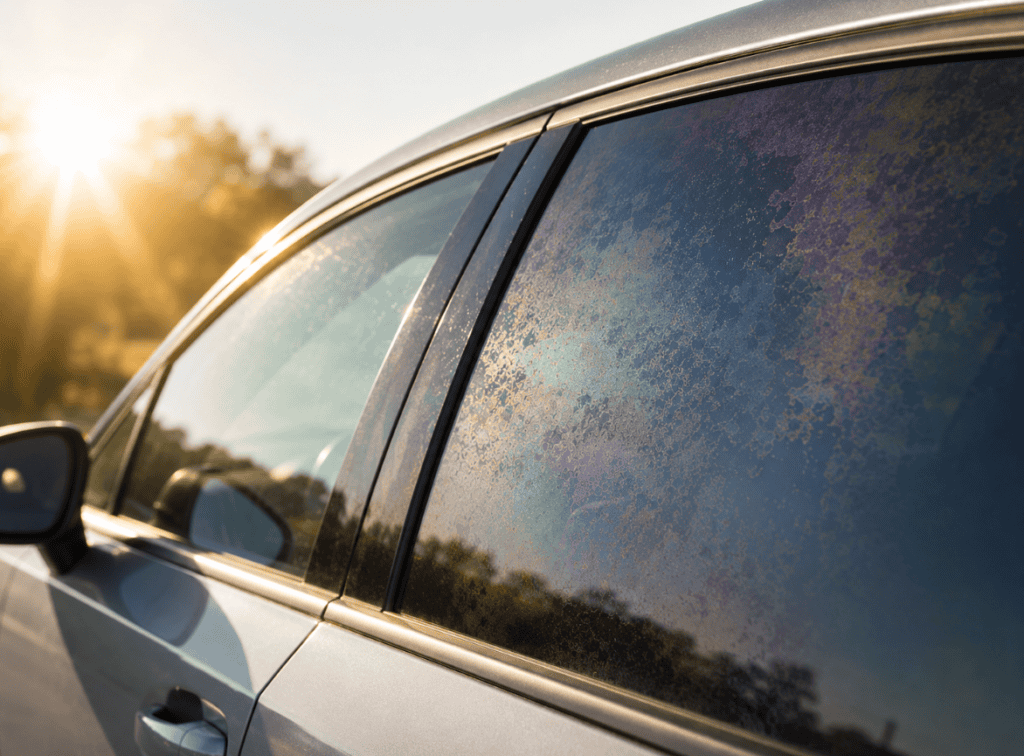
Most window films achieve their tinting effect through one of three methods: dye, metal, or ceramic particles. Dyed films use layers of color to absorb light and reduce glare. They are the most affordable option but also the weakest performer when it comes to heat rejection. They tend to fade over time, often turning purple or brown after years of California sun exposure. Metalized films use tiny metallic particles to reflect solar energy, which gives them stronger heat rejection than dyed films. The drawback is that metal interferes with electronic signals, which affects GPS accuracy, cell reception, and satellite radio in a noticeable way.
Ceramic films take a completely different approach. The nano-ceramic particles in the film are non-conductive and non-metallic. They block and absorb infrared radiation, which is the part of sunlight responsible for heat buildup, without interfering with any electronic signals. The result is a film that delivers strong heat rejection, outstanding UV protection, and excellent glare reduction all at once, without the compromises that come with dyed or metalized options.
One of the most impressive things about ceramic window tint is that it achieves all of this while maintaining strong optical clarity. The film does not distort your view through the glass. In some cases, ceramic film actually improves visual clarity compared to older metalized films that can give the glass a slightly reflective or mirror-like appearance from inside the car. For drivers and homeowners who want performance without sacrificing a clear, natural view, ceramic film is the right fit.
Here is how ceramic film compares to the main alternatives:
- Dyed film: low cost, moderate glare reduction, weak heat rejection, fades over time
- Carbon film: better heat rejection than dyed, no fading, moderate UV blocking
- Metalized film: strong heat rejection, signal interference, reflective appearance
- Ceramic film: best heat rejection, no signal interference, up to 99% UV blocking, no fading, strong clarity
The Real Benefits of Ceramic Window Tint for Cars, Homes, and Businesses
The benefits of ceramic window tint go well beyond just darkening the glass. Each advantage connects directly to something that affects your daily comfort, your health, or your finances.
Heat rejection is the most talked-about benefit, and the performance is genuinely impressive. Quality ceramic films can reject up to 80 percent of solar heat, compared to the 35 to 45 percent typical of basic dyed films. In a state like California where the sun is intense for most of the year, that difference is felt immediately. Cars stay cooler when parked, reducing the shock of getting into a hot vehicle. Rooms in a home that used to build up heat near windows stay at a much more comfortable temperature. Commercial spaces with large glass facades see real reductions in cooling load and energy costs.
UV protection is another major advantage. Ceramic window tint blocks up to 99 percent of both UVA and UVB radiation. This matters for health because UV rays penetrate standard glass easily and cause cumulative skin damage over time. Drivers who spend significant time on California roads are regularly exposed to UV radiation through their side windows. Ceramic UV protection window tint addresses this directly, making it a legitimate health benefit, not just a comfort upgrade. The Skin Cancer Foundation has recognized high-quality window film as a valid sun protection measure for exactly this reason.
For homeowners, the best UV protection window tint for homes protects furniture, flooring, carpets, and artwork from the fading and degradation that comes from long-term UV exposure. Hardwood floors near windows, leather sofas, and fabric window treatments all last longer and look better when UV rays are blocked at the glass rather than allowed to pour in unchecked.
Glare reduction is another daily benefit that is easy to underestimate. Glare reduction window film helps in cars where afternoon sun hits the driver’s eyes directly, in home offices where screen glare makes it hard to work near windows, and in commercial spaces where glare on product displays or workstations reduces productivity. Ceramic film handles glare effectively while still allowing enough visible light through to keep spaces feeling bright and natural.
Here is a summary of what ceramic window tint delivers across different applications:
- Blocks up to 80 percent of solar heat for cooler cars, homes, and businesses
- Rejects up to 99 percent of UV radiation for skin protection and interior preservation
- Reduces glare without making rooms or vehicles feel dark or closed in
- Does not interfere with GPS, cell signals, Wi-Fi, or satellite radio
- Maintains clarity without distortion or an overly reflective appearance
- Does not fade, turn purple, or degrade in color over time
- Lasts significantly longer than dyed or basic carbon films
Is Ceramic Window Tint Worth the Cost in San Jose
This is the question most people land on after learning what ceramic film can do. It costs more than basic films, and the price difference can be meaningful depending on how many windows are being tinted. So is the higher cost justified?
The honest answer is yes, in most situations. Here is why. Cheaper dyed films typically last five to seven years before they start showing visible degradation like color shifting and bubbling. Quality ceramic films routinely last ten to fifteen years or more with proper care. When you factor in the cost of removing and replacing a failed cheap film versus the longer lifespan of a ceramic product, the total cost over time often favors ceramic.
There is also the performance gap to consider. A basic film that blocks 40 percent of solar heat and a ceramic film that blocks 75 to 80 percent are not delivering similar results. The difference in interior temperature, UV protection, and daily comfort is real and noticeable. For drivers in San Jose who deal with intense summer heat on daily commutes, or for homeowners looking for professional heat and glare reduction tint that actually changes how livable their space feels, the upgrade to ceramic is worth every dollar.
For commercial properties, the math is even clearer. Energy efficient commercial window tinting using ceramic film reduces HVAC load year-round, which translates directly into lower monthly operating costs. Over the lifespan of the film, the energy savings alone can offset much of the installation cost.
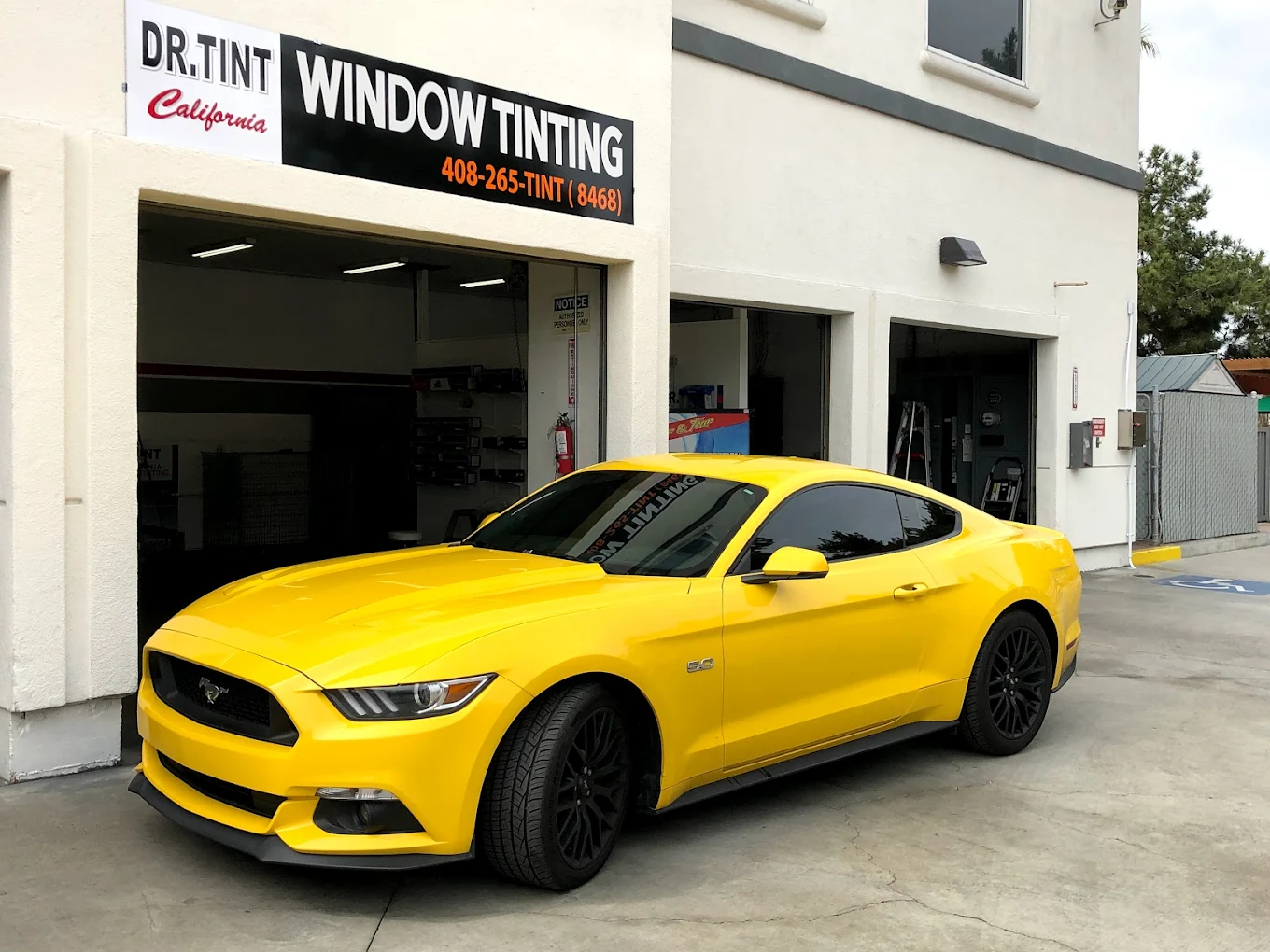
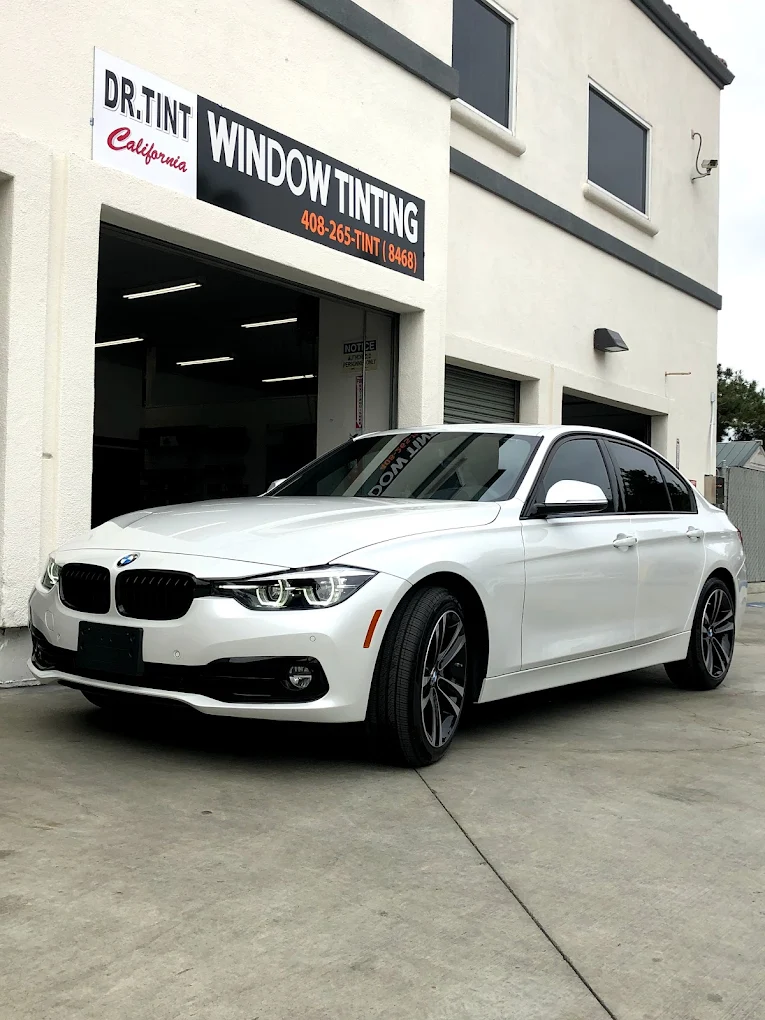
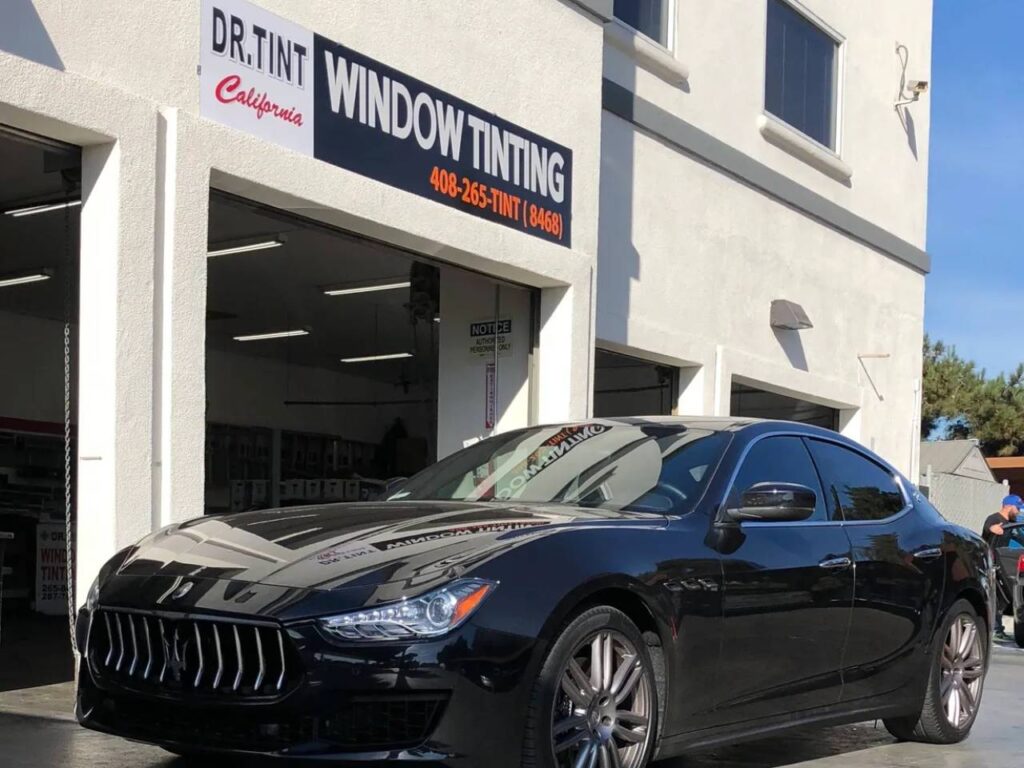
Dr. Tint California Window Tinting offers ceramic film options for vehicles, homes, and commercial buildings throughout San Jose. As the best window tinting in San Jose, the team uses ceramic products from trusted manufacturers that are tested for heat rejection, UV performance, and long-term durability. Whether you need custom automotive window tinting services for a single car or professional residential window tint installation across multiple rooms, the process is handled by experienced installers who know how to get the job done right.
What to Ask Before Getting Ceramic Tint Installed
Not all ceramic films are equal. The word ceramic on a product label does not automatically mean it performs at the highest level. Some films marketed as ceramic contain only a small percentage of ceramic particles blended with other materials, which reduces performance. Before booking any window tinting services in San Jose, ask the installer specifically which film they use, what the heat rejection rating is, and what UV blocking percentage the product is certified to deliver.
Ask whether the film comes with a manufacturer warranty and what it covers. Reputable ceramic films from quality brands carry warranties that cover fading, bubbling, peeling, and adhesive failure for ten years or more. A good installer will also warranty their labor separately, which means if something goes wrong with the application itself, it gets fixed without additional cost to you.
Also ask about California tint law compliance if you are tinting a vehicle. Front side windows in California must allow at least 70 percent of light through, so the film installed on those panels needs to be chosen accordingly. A knowledgeable San Jose tint shop will know these requirements and help you choose a ceramic film that delivers strong performance while staying within legal limits.
Ceramic window tint is the clearest upgrade available in the window film market today. It blocks more heat, protects better against UV radiation, lasts longer, and performs without the drawbacks that affect cheaper alternatives. For San Jose drivers, homeowners, and business owners who want the best results from their window film investment, ceramic tint delivers on every front. Reach out to Dr. Tint California Window Tinting to find out which ceramic film is the right fit for your car, home, or commercial space.
Related Post