If you have noticed your window tint starting to look different than it did when it was first installed, you are not imagining it. Window film discoloration is a real and common issue, and it shows up in several ways. The tint that once looked clean and charcoal grey might now have a purple or brownish hue. Parts of the film might look faded or uneven. Some sections might appear lighter than others. Whatever the specific change looks like, discoloration is almost always a sign that something has gone wrong with the film, the installation, or the way it has been maintained.
Thank you for reading this post, don't forget to subscribe!Understanding why window tint discolors helps you make smarter choices the next time you invest in window tinting services. It also helps you identify what went wrong with your current film and whether repair or full replacement is the right move. This guide covers every major cause of window tint discoloration, from the type of film used to the cleaning products you may have been using without realizing the damage they cause.
The Most Common Cause: Dye Breakdown From UV Exposure
The single most common reason window tint turns purple or brown is dye degradation. Basic dyed window films use layers of color pigment to achieve their tinted appearance. This dye absorbs visible light and reduces the amount that passes through the glass, which creates the darkening effect. The problem is that the same UV radiation the film is supposed to block also attacks the dye layer over time.
When UV rays hit the dye layer repeatedly over months and years, they break down the chemical bonds in the pigment. The dye molecules change structurally, and the color they produce shifts. Grey and charcoal dyes tend to shift toward purple as the blue component of the dye degrades faster than the red. This is why the classic sign of an old dyed film is a distinctly purple hue that was not there when the film was new. In warmer, sunnier climates like California, this process happens faster than in regions with less intense sun. San Jose gets significant year-round sun exposure, which means dyed films here tend to reach this stage earlier than average.
This type of discoloration is irreversible. Once the dye has been altered by UV exposure, no cleaning product or treatment will restore the original color. The film needs to be removed and replaced. The only way to prevent this from happening again is to choose a film type that does not rely on dye for its performance. Carbon, ceramic, and other non-dyed films achieve their heat rejection and light reduction through different mechanisms that do not break down from UV exposure in the same way. This is one of the most practical reasons to invest in premium window tint rather than the most affordable basic option.
Chemical Damage From Cleaning Products
The second most common cause of window tint discoloration has nothing to do with the sun. It comes from using the wrong cleaning products on tinted glass, and it is entirely preventable. Ammonia is the main culprit. It is found in a wide range of standard household glass cleaners, including many popular brands that people reach for without thinking twice. On untreated glass, ammonia works fine. On window film, it is destructive.
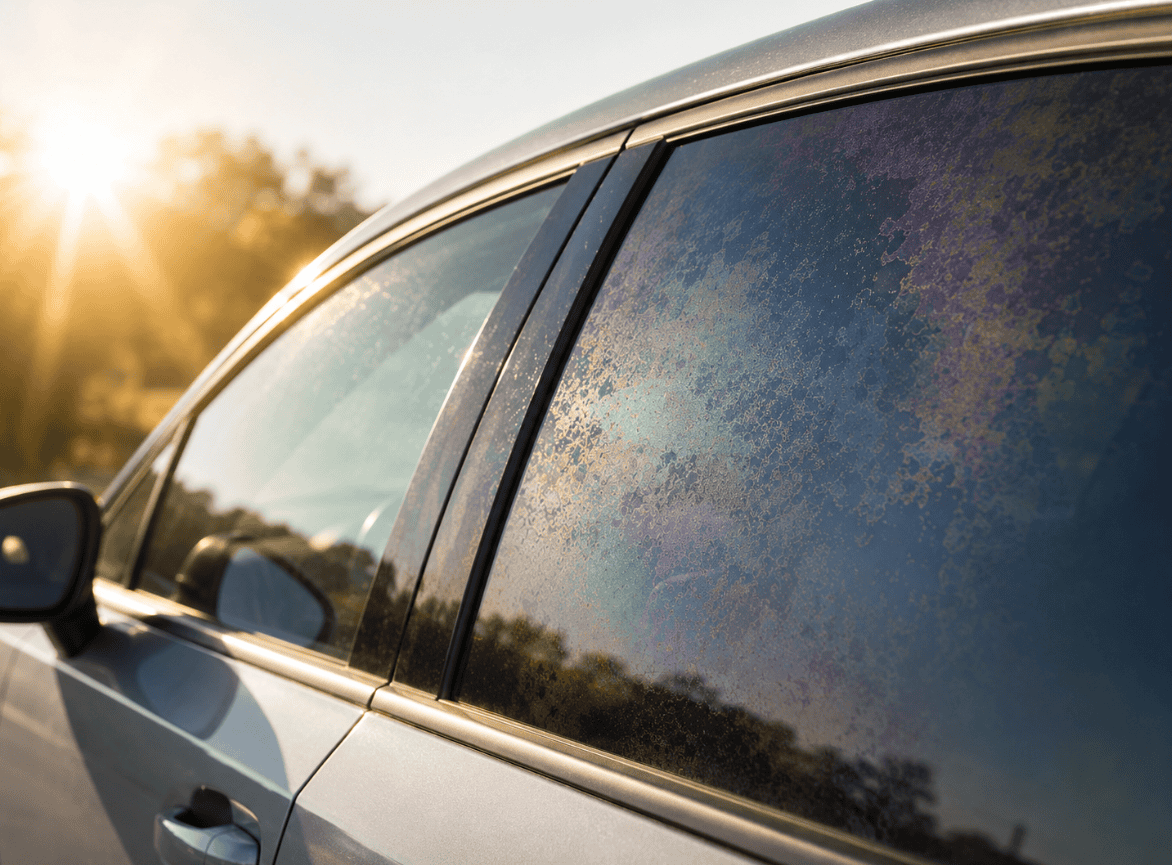
Ammonia attacks the adhesive layer of window film and breaks it down over time. As the adhesive degrades, the film loses its bond to the glass and begins to separate in spots. Where separation occurs, the optical properties of the film change because the film is no longer lying flat against the glass surface. Light refracts differently through a lifted or partially separated film, which creates cloudy, hazy, or discolored patches that are visible across the window. These patches look different from the surrounding film and give the glass an uneven, blotchy appearance.
Ammonia damage also affects the film’s UV protection window tint performance and heat rejection capability, because a film that is not properly bonded to the glass is not functioning the way it was designed to. The discoloration caused by ammonia-related adhesive breakdown is different from dye degradation in appearance. Rather than an even color shift across the whole film, ammonia damage tends to create irregular patches of cloudiness or hazing that are concentrated in areas where the cleaner was applied most heavily or most often.
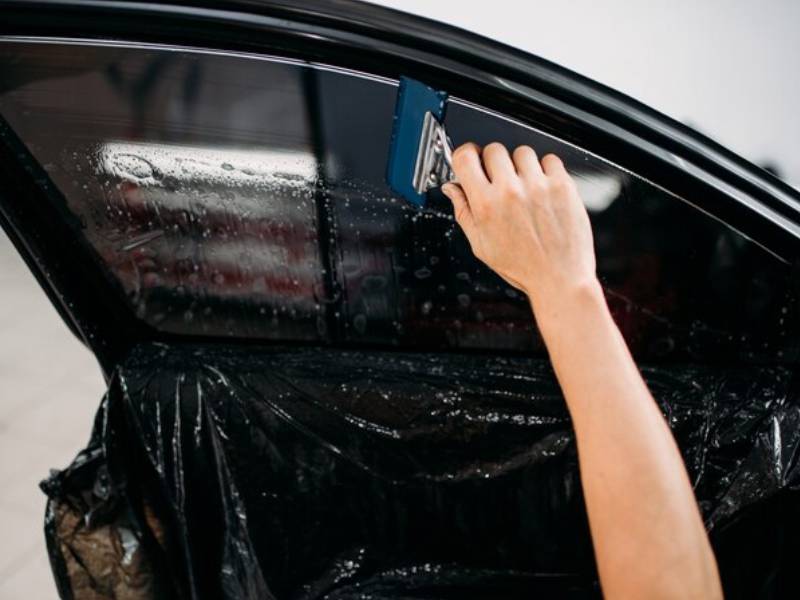
Other harsh solvents can cause similar damage. Acetone, bleach, and some industrial cleaners all attack window film adhesive and can cause discoloration, lifting, and hazing. Even some products marketed as glass cleaners contain compounds that are safe for bare glass but harmful to film. If you have been using any cleaner that contains ammonia or other strong solvents on your tinted windows without knowing the risk, the discoloration you are seeing may be the direct result. Switching to an ammonia-free cleaner going forward protects the film from this type of damage, but it cannot reverse the damage that has already occurred.
Here is what chemical-related discoloration looks like and what causes it:
- Cloudy or hazy patches across the film surface that do not wipe away
- Irregular blotchy areas where the film appears lighter or milky compared to surrounding sections
- Lifting or separation in patches that changes how light passes through the film
- Caused by ammonia in standard glass cleaners, acetone, bleach, or other harsh solvents
- Preventable by always using ammonia-free cleaners specifically safe for tinted windows
Heat Damage, Poor Installation, and Film Age
Beyond dye degradation and chemical damage, there are several other factors that can cause or accelerate window tint discoloration. Each one plays a role in how the film ages and how its appearance changes over time.
Extreme and prolonged heat exposure is a factor that goes beyond just UV degradation of dye. When a car sits in direct sun for hours at a time over many years, the heat inside the vehicle can reach extreme levels, particularly against the glass surfaces. This sustained heat stresses the adhesive layer and can cause the film to separate, bubble, or develop discolored spots where heat has concentrated. Rear windows are especially vulnerable because they often face direct sun for long periods and because the defroster elements in the glass generate their own heat. Dark-colored vehicles also tend to experience higher interior temperatures than lighter ones, which puts more thermal stress on the film.
Installation quality plays a bigger role in long-term appearance than most people realize. When glass is not properly cleaned before the film is applied, contaminants trapped under the film create spots that look discolored from day one. Dust, fingerprints, or cleaning residue left on the glass surface show through the film and create areas where the film appears uneven or spotted. A professional tint shop that takes proper prep work seriously prevents this type of issue entirely. When installation is rushed or done without adequate glass cleaning, the discoloration that results from trapped debris is visible immediately and only becomes more obvious over time.
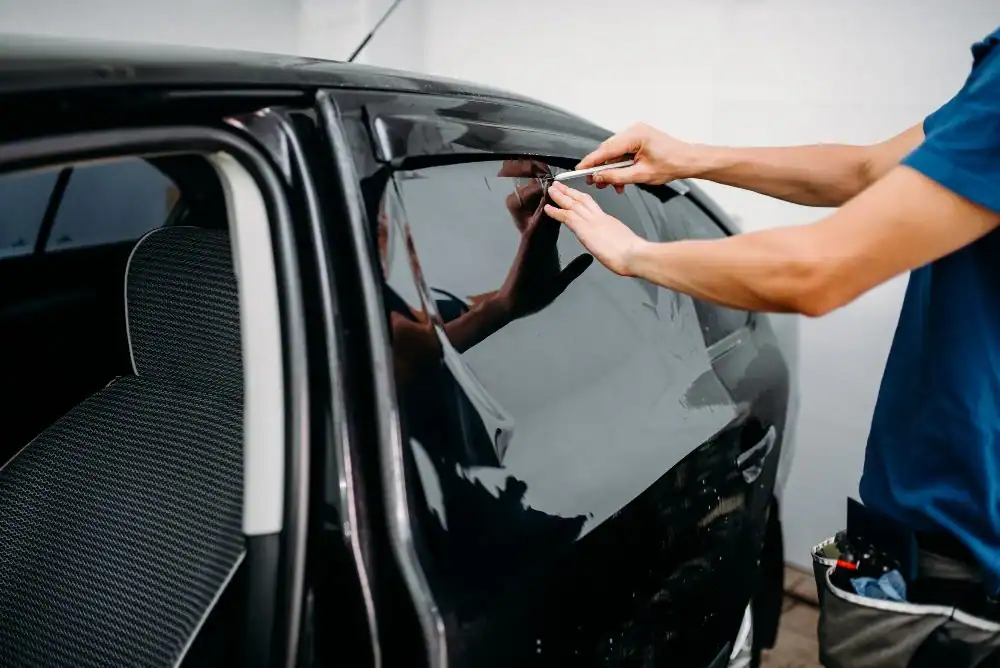
Low-quality film that uses inferior materials will also discolor faster regardless of care and maintenance. Not all films are made to the same standards. Budget films from unverified manufacturers often use lower-grade adhesives that yellow over time. This yellowing changes the apparent color of the film from a neutral shade toward an amber or orange tint. When a low-grade adhesive yellows, it affects the overall color of the film viewed from inside or outside the vehicle. Choosing a reputable product from a trusted manufacturer, installed by an experienced team, is the most reliable way to avoid this issue.
Dr. Tint California Window Tinting uses quality film products from established manufacturers and prepares every glass surface properly before installation to prevent the premature discoloration that comes from poor prep work or inferior materials. As the best window tinting in San Jose, the team understands that the film product and the installation process together determine how the tint looks and performs years down the road.
Here are additional causes of discoloration beyond dye degradation and chemical damage:
- Prolonged extreme heat stress on the adhesive layer from sitting in direct California sun
- Contaminants trapped under the film during installation from inadequate glass prep
- Low-quality adhesive that yellows over time and shifts the film’s apparent color
- Moisture getting under the film at damaged edges and causing cloudy patches internally
- Defroster heat in rear windows creating localized stress that causes discoloration over lines
When discoloration is visible across your window film, the right response depends on the cause and how far the damage has progressed. Minor edge issues caught early can sometimes be addressed, but widespread discoloration from dye breakdown, adhesive failure, or chemical damage means the film has reached the end of its useful life. Replacing it with a quality product installed correctly is the only real solution.
If you are noticing discoloration on your car, home, or commercial windows in San Jose, Dr. Tint California Window Tinting can assess the condition of the film and recommend the right next step. Whether you need affordable car window tinting in San Jose to replace an old dyed film that has gone purple, or professional residential window tint installation to replace home film that has been damaged by the wrong cleaning products, starting fresh with a better product and proper care makes all the difference. The goal is always window film that stays looking clean and performs at its best for as long as possible.
Related Post