There is something that happens to a car when quality window tint goes on. The whole vehicle looks more intentional. More finished. A sedan that looked ordinary in the parking lot suddenly has a cleaner, sharper presence. An SUV that looked bulky gets a sleeker profile. A sports car that already turned heads now looks like it belongs on a magazine cover. Window tint does something to a vehicle’s appearance that is hard to describe until you see it, but easy to recognize the moment it happens.
Thank you for reading this post, don't forget to subscribe!Most people think about window tint as a practical upgrade, and it absolutely is. Heat reduction, UV protection, glare reduction, and energy savings are all real benefits that matter every day. But the visual transformation that comes with a professional tint installation is just as real, and for a lot of car owners in San Jose, it is a major part of why they book the appointment in the first place.
The Visual Impact of Window Tint on Different Vehicle Types
Window tint does not create the same visual effect on every vehicle. The impact depends on the car’s body style, color, existing glass, and the film shade chosen. Understanding how tint interacts with these factors helps you make a choice that genuinely elevates your specific vehicle rather than just darkening the glass.
On darker-colored vehicles, a medium to dark window tint creates a strong visual continuity between the body and the glass. Black, dark grey, navy, and deep green cars take on a particularly cohesive look when the glass matches the general tone of the exterior. The windows become part of the vehicle’s visual flow rather than a separate element that breaks up the lines. Many car enthusiasts describe this as making the vehicle look monolithic or blacked out in a way that reads as deliberate and premium. Custom automotive window tinting services allow you to choose exactly the shade that achieves this effect without going so dark that visibility becomes an issue or California law is violated.
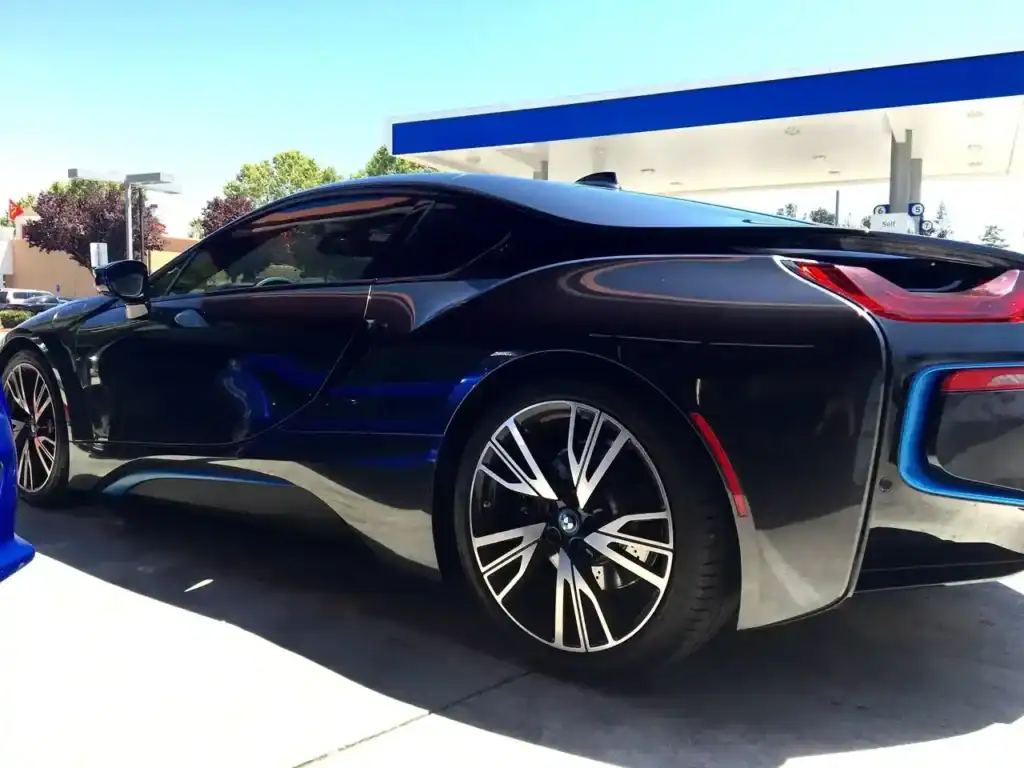
On lighter-colored vehicles, the contrast between a clean white, silver, or champagne exterior and darker tinted glass creates a completely different but equally appealing effect. The contrast draws the eye to the vehicle’s lines and creates a two-tone visual tension that feels modern and purposeful. White cars with a medium-dark tint on the rear windows have a look that is clean and architectural. Silver vehicles with the right shade of film pick up a certain sporty quality that bare glass simply does not provide.
Body style plays a role too. Sedans benefit from tint because it emphasizes the fastback profile of the roofline and makes the greenhouse, the glass area of the car, look lower and sleeker. SUVs and crossovers gain a more commanding presence because the tinted glass integrates better with the larger body mass. Trucks with tinted rear glass look more purposeful and less utilitarian. Convertibles with tinted side windows, when the top is up, take on a finished quality that untinted glass does not deliver.
Here is how different vehicle types typically benefit from a quality tint installation:
- Sedans: lower, sleeker roofline profile with better visual flow between glass and body panels
- SUVs and crossovers: more commanding and cohesive appearance that matches the vehicle’s size and stance
- Trucks: reduced utilitarian look, stronger visual presence especially with darker rear glass
- Sports cars and coupes: sharper, more intentional look with the darker glass reinforcing the aggressive body lines
- Luxury vehicles: enhanced premium appearance that matches the level of the rest of the car
How Film Shade and Type Affect the Final Look
Not all tinted glass looks the same. The shade you choose, the type of film you use, and the quality of the installation all contribute to the final visual result in ways that matter if you care about how your vehicle looks from every angle.
Film shade is measured by visible light transmission, or VLT. A 5 percent VLT film is very dark and blocks 95 percent of visible light. A 50 percent film is much lighter and blocks half. In California, front side windows must allow at least 70 percent of light through, which limits how dark those windows can be. Rear windows and back glass have no darkness restriction as long as the vehicle has dual side mirrors. This means the most dramatic visual transformation for California vehicles happens on the rear portion of the car, while the front windows stay within a legal, lighter range.
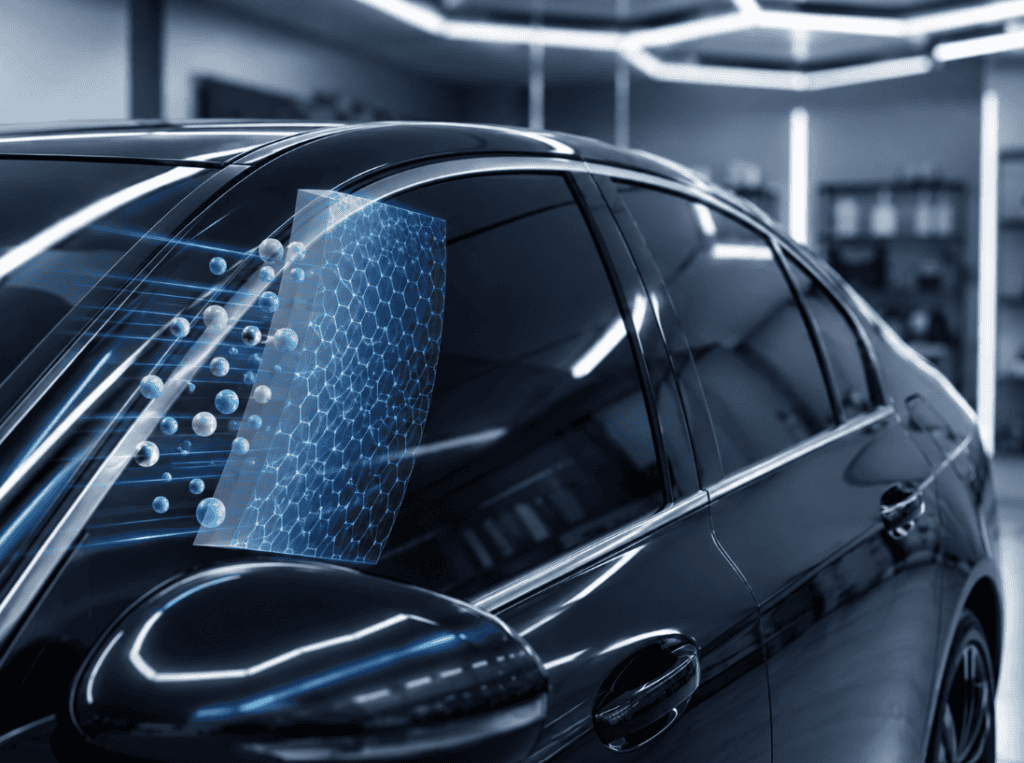
The film type also affects aesthetics in subtle but real ways. Dyed films tend to have a flat, matte appearance when looking at the glass from outside. Carbon films have a slightly deeper, more neutral look. Ceramic and nano-ceramic films maintain excellent optical clarity with a clean, crisp appearance both through the glass and reflected off it. Metalized films can have a slightly reflective or mirror-like quality from certain angles, which some owners find attractive and others prefer to avoid. For the most polished, premium look, top window tint specialists in San Jose typically recommend ceramic or nano-ceramic film because the optical quality of these products is simply cleaner than what dyed or entry-level films deliver.
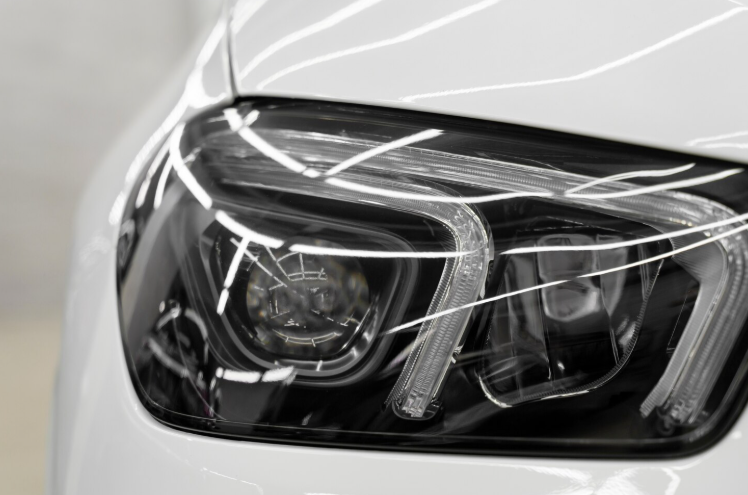
The neutral tone of high-quality ceramic tint matters aesthetically as well as technically. Cheap dyed films can have a slightly blue or green tint when you look at the glass from outside, which clashes with certain vehicle colors. Quality ceramic films maintain a true neutral grey that complements every exterior color without introducing an unwanted color cast. When someone looks at a well-tinted vehicle and thinks the windows look right without being able to say exactly why, it is usually because the film shade and tone were chosen correctly for that specific car.
One more visual element that matters is the appearance of the interior through the glass. From outside the car during the day, quality tinted windows make it much harder to see inside. This creates a clean, uncluttered exterior look because you are seeing the glass itself rather than the seats, dashboard, and contents of the car. A vehicle with clear glass shows every item on the seat, the texture of the headliner, the shape of every interior surface. A properly tinted vehicle presents clean, dark glass that reads as a single visual element rather than a window into a cluttered interior.
The Connection Between Aesthetics and Long-Term Value
The visual improvement that comes with professional automotive window tinting is not just about how the car looks to you. It has real implications for how the vehicle holds its value over time and how it is perceived by potential buyers.
A well-maintained vehicle with quality window film that has stayed clean, clear, and properly bonded over the years looks newer than its age. The interior, protected from UV fading and heat damage by the film, also stays in better condition. Leather seats that have not cracked, dashboards that have not faded, and carpets that have not discolored all contribute to a higher perceived value when it comes time to sell or trade in. The exterior appearance benefit of the tint combines with the interior protection it provides to create a vehicle that simply looks more cared for.
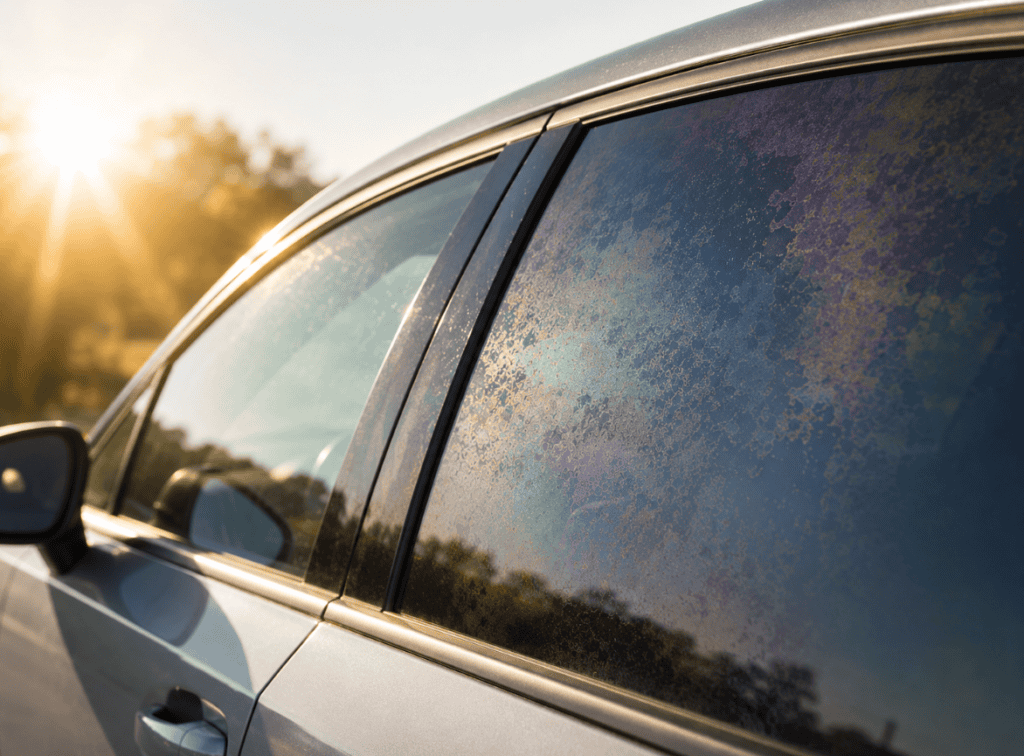
Buyers notice. A car with clean, even window tint that has maintained its color and clarity reads as a vehicle that has been taken care of. Peeling, bubbling, or purple-shifted tint reads as neglect. This is one of the reasons that choosing premium window tint from a reputable San Jose tint shop matters beyond just the installation day. A quality film that lasts and looks good for a decade adds to the vehicle’s story in a positive way. A cheap film that starts failing in three years tells the opposite story.
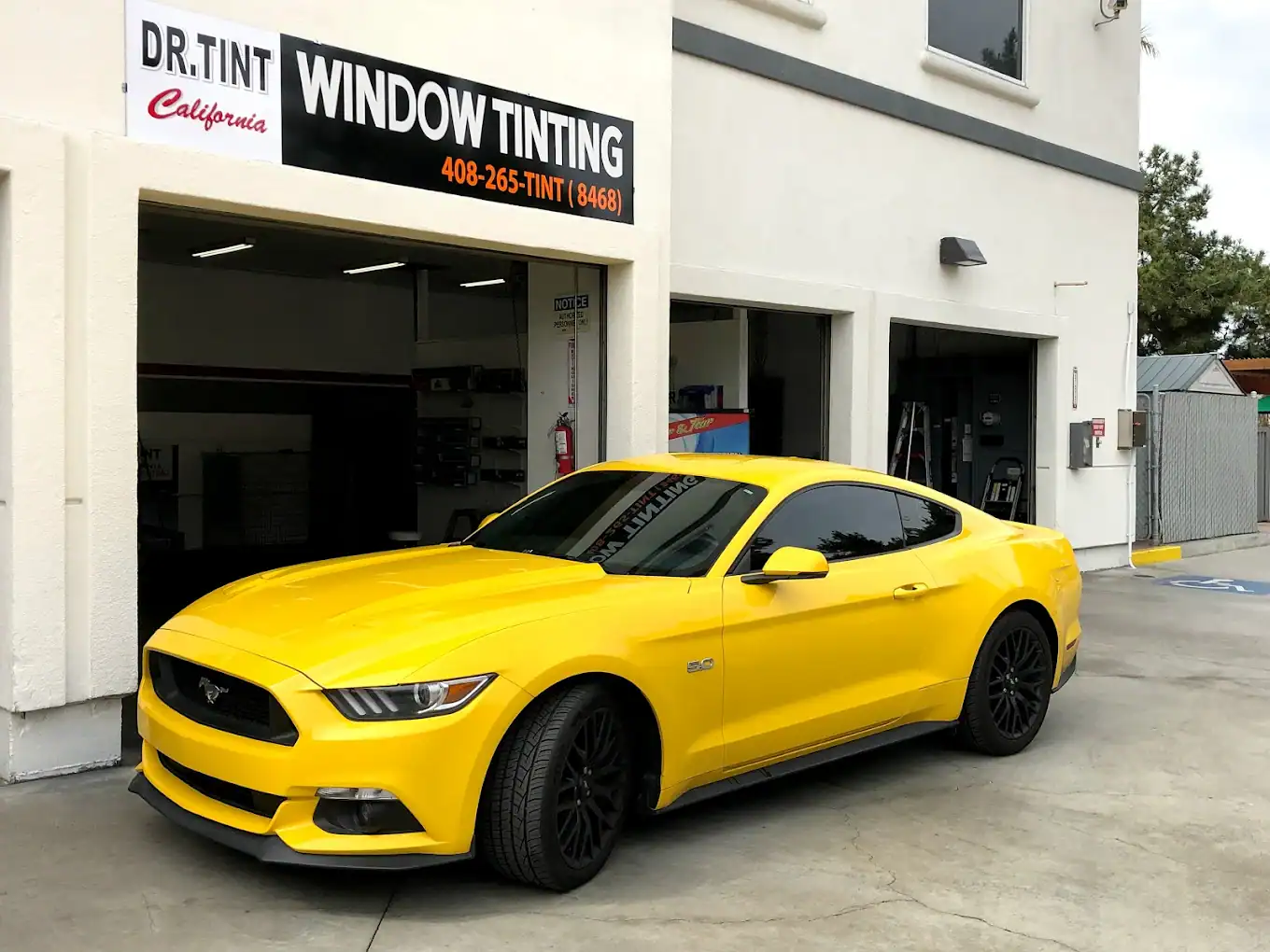
Dr. Tint California Window Tinting works with car owners throughout San Jose who care about both the performance and the appearance of their window film. As the best window tinting in San Jose, the team brings experience across every vehicle type and uses premium window tint products that deliver the clean, precise look that custom automotive window tinting should achieve. From choosing the right shade for your specific vehicle color to achieving perfect edge alignment and optical clarity across every window, the aesthetic details are treated with the same attention as the technical ones.
Here is what a quality professional tint installation delivers on the visual side:
- A finished, intentional look that elevates the vehicle’s overall presence on the road
- Consistent shade and neutral tone across all windows with no color casting or unevenness
- Clean edges that fit the glass precisely without gaps, lifting, or visible seam lines
- Optical clarity that does not distort the view through the glass or reflect unevenly
- A clean exterior look that hides the interior and makes the glass read as a single cohesive element
- Long-term color stability that keeps the vehicle looking sharp for years after installation
Window tint transforms a vehicle. It does it practically, by blocking heat, UV rays, and glare every single day. And it does it visually, by giving the car a finished, premium look that bare glass simply cannot achieve. When both of those outcomes come from a single professional installation, it is one of the most satisfying upgrades a San Jose car owner can make.
Related Post